
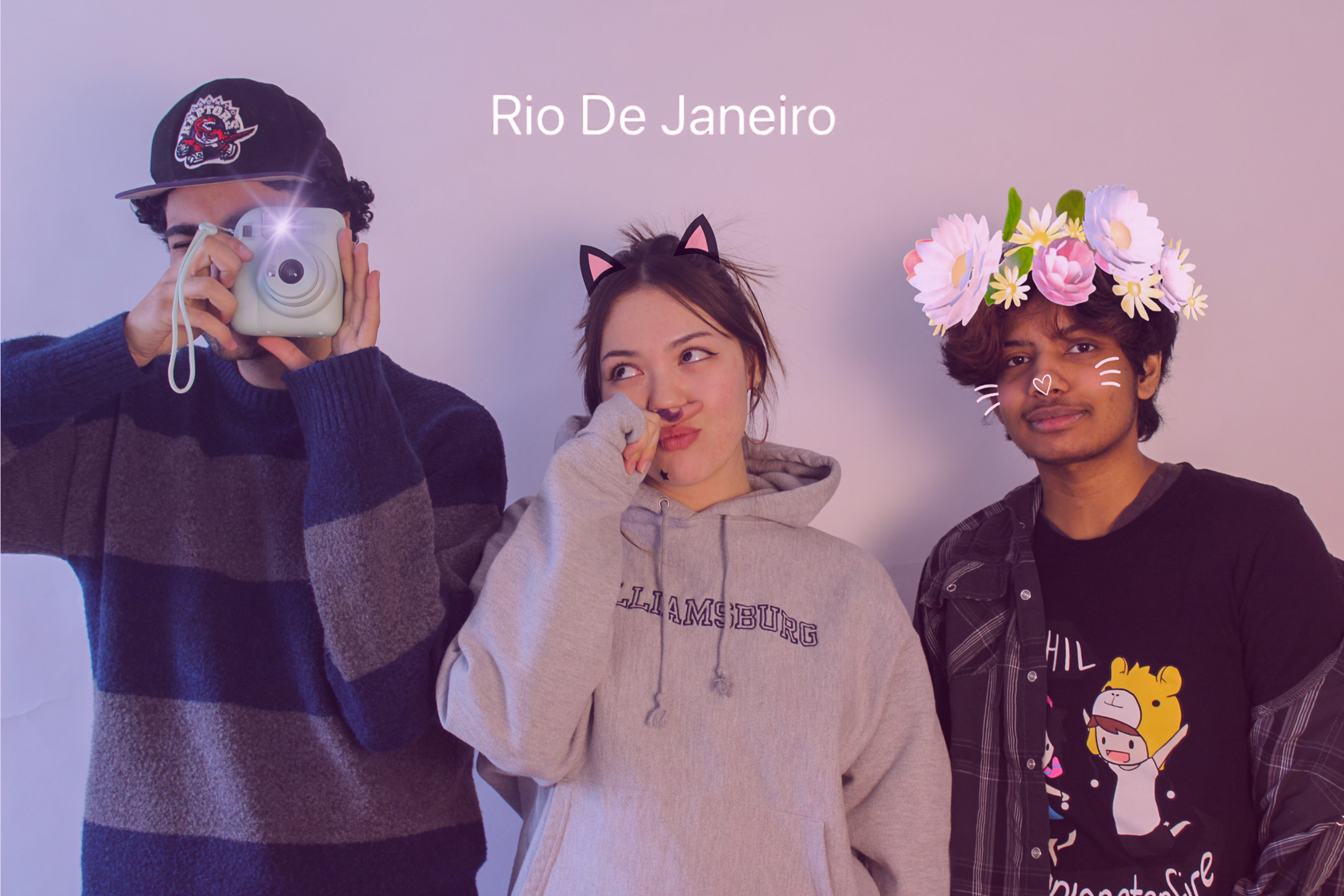
The Snapchat dog filter. Cut creases under the eyebrow. Mattresses that you stole from your roommate back in Boulder. King Kylie. 2016 was a breeding ground for iconic social media, makeup, fashion, and music trends that went on to define the year in the cultural zeitgeist. As we entered 2026, people on TikTok, Instagram, and Snapchat began to mention 2016 on the Internet more than ever before.
TikTok indicates that searches for 2016 “surged by 452%” before January 9, photo carousels from 2016 now clog up the year’s tag on Instagram, and statement songs from the year are climbing up the Billboard Hot 100 charts. It seems that in 2026, people are looking to the 2010s to inform their present and future.
This type of nostalgia isn’t new. Not in the age of TV show revivals, desires to revisit the Obama administration, and content creators making money off of shared childhood experiences.
But the constant chatter about 2016 has made the year become more than just a passing desire to relive the mid-2010s skater skirts. It has become a time period for us to point to as more carefree.
This is in part because of the colourful clothing, makeup, and food captured in 1080 x 1080 pixel Instagram grid posts, but 2016 also marks a turning point for older Gen Z and millennials, as the last time we could exist online without the flood of political division headlines in our timelines.
But why 2016?
Late-Millennial and early-Gen Z nostalgia for 2016 stems from a desire to revisit the past. As we get older and are required to face the practicalities of our personal future, while navigating anxieties about climate change and the political state of the world, looking back to when we felt young and carefree can help calm our fears.
2016 nostalgia is a mass expression of our generation, missing childhood and early adolescence. It’s not necessarily about the specific year itself, but the feelings evoked by a matte lip and bold winged eyeliner.
In 2016, people weren’t afraid to be cringey online or to show their eccentric selves. Think of the 6-second clips of the “Don’t judge me” challenge, or YouTube pranks focused on humiliation and self-sabotage. This has become rare — with the turn toward polished and curated content, and with AI making us doubt the reality of everything we see, it is obvious why people are pining for a year where it felt easier to take the content we saw at face value.
2016 was also the first year Instagram introduced its algorithm, changing what people consumed on the app. For me, Instagram was a way for me to keep up with friends — I could see what they were up to by scrolling down my timeline, and feel like I was connecting with them. Without an algorithm, I could check up on my friends, and then close the app without getting sucked into a polar vortex specifically designed to keep me online.
Now, it seems like that playful energy is completely gone, and every app is filled with a cesspool of political commentary and doomscrollable material.
That’s not to say 2016 was completely void of controversial political moments. Donald Trump was elected to his first term as president, and Britain left the European Union in the controversial “Brexit.”
But it was also the year of the rainbow bagels, the Rio de Janeiro filter, and a defining aesthetic that has remained in our memories. We have been searching for what will define our generation, but haven’t quite found it yet. Perhaps that is why we’re looking back to a time that felt simpler.
Brands are taking advantage, so should you (somewhat)
2016 nostalgia is unlikely to stop anytime soon, as brands are capitalizing on people’s reminiscence. Early in the year, Panera Bread launched a limited-time throwback menu in order to profit from the nostalgia train. That ended on January 23, so if you haven’t picked up a Broccoli Cheddar Bread Bowl yet, you might be out of luck.
But don’t let those bitter tears ruin your makeup, because Too Faced is bringing back their famed Sweet Peach Eyeshadow Palette, which was used by many influential makeup artists back in the day. Some of these influencers have even come back with 2016 makeup tutorials to teach a new generation about bold eyebrows and highlighter so bright it can be seen from space.
While these items might seem like novelty pieces that are sold for fun, consider what they represent. Brands are commodifying our romanticism for a year of trends. They are capitalizing on this moment in time, when we’re still looking for what is going to define this year and what’s to come for the rest of the decade.
From 2020–2022, the defining event was COVID-19, and since then, every trend has felt like a response to that. As we approach the second half of the 2020s, though, everyone seems to be ready for something new.
2016’s aesthetic wasn’t what most would consider beautiful or classy, but it was unique, and we all want to find that thing that will distinguish us too. We ache to go back to that ‘simpler time,’ because we want to know if that can be replicated in 2026.
And nothing says you can’t turn on a little “Lush Life” by Zara Larsson and “live [your] days as if there was no past.” That kind of nostalgia can help you feel happier and healthier, like looking back on a good memory that makes you smile.

No comments to display.