
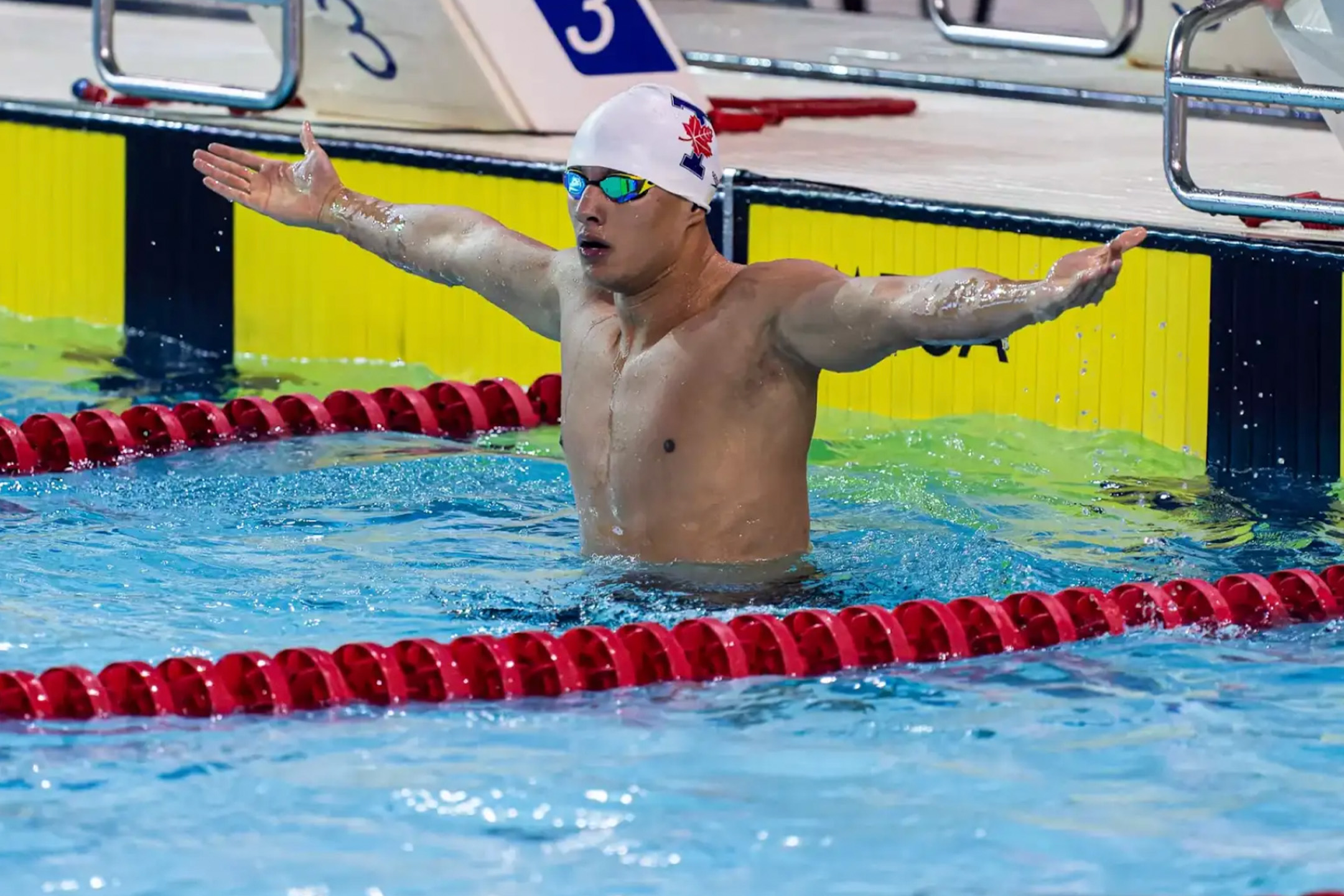
“Why swimming?”
While often a genuine question, it’s one that I quickly became accustomed to growing up as a tall, biracial kid. And when I was younger, I didn’t really have a good answer. For as long as I can remember, my parents stressed the importance of being a strong swimmer, especially my mom.
Many locals in Barbados may grow up surrounded by water and still never learn how to swim at a sufficient level, my mom included. After losing a close friend in a water-related incident, she knew becoming strong swimmers was a non-negotiable for my brother and I.
Swimming lessons quickly turned into competitive swimming, and by the time I was 12 years old, I knew it was something I wanted to take seriously. But as I started competing in meets, I began to notice a pattern in the comments other parents would make — there was one other Black swimmer in our club besides my brother and me, and we would frequently be asked if we were triplets.
While the question was innocent in nature, the underlying theme was clear: we stood out. Not just within my home club in Calgary, but also in terms of representation across the country.
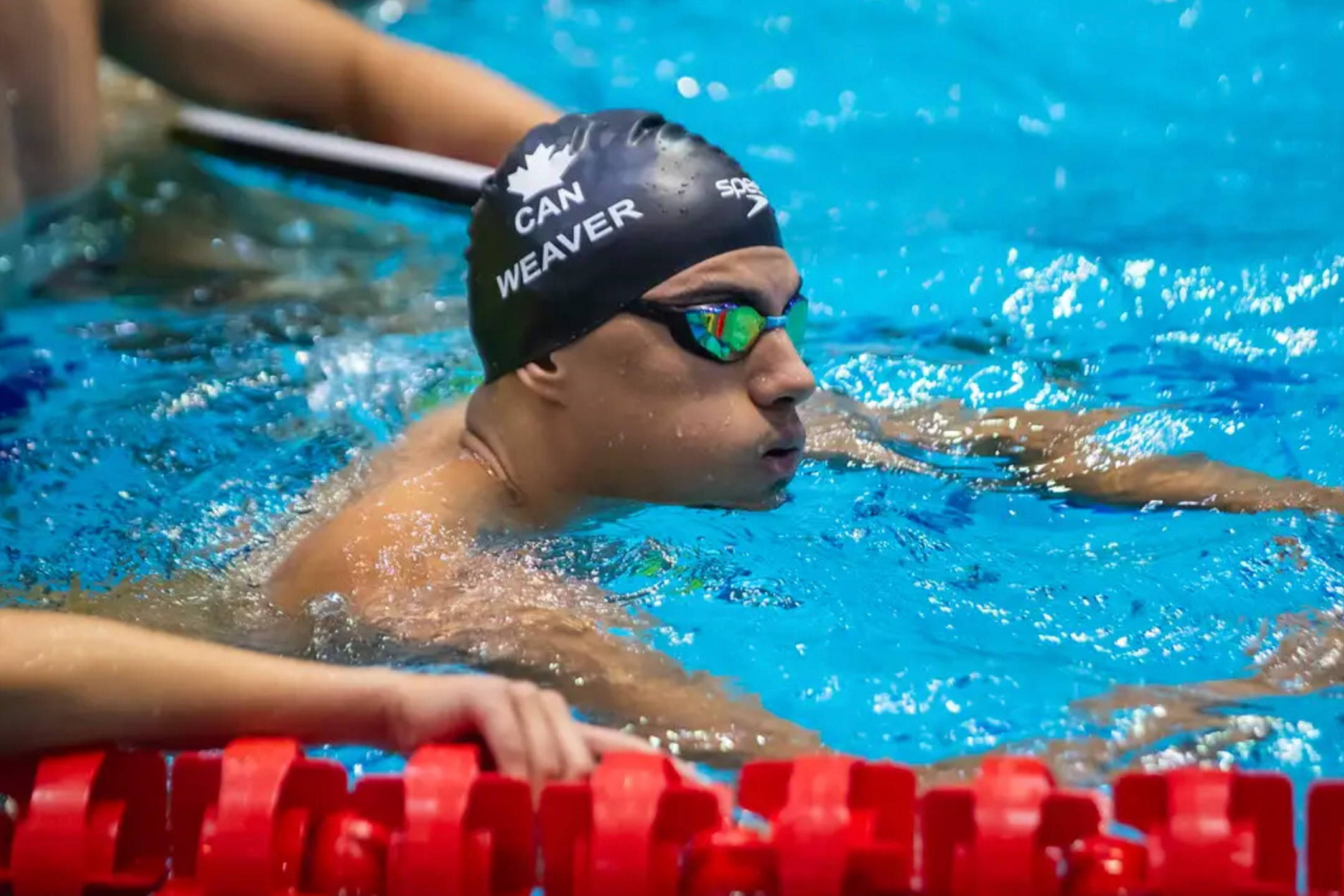
COURTESY OF SEYRAN MAMMADOV CC VARSITY BLUES MEDIA
I vividly remember watching Day Three of the 2021 Canadian Olympic Trials. My coach had paused practice so we could all watch the live broadcast. Through social media, I had briefly seen photos of Canada’s rising sprint freestyler, but this was the first time I watched Josh Liendo race. I watched excitedly as they took to the blocks for the 50-metre freestyle, eager to see what the best in the country were doing; what it took to become an Olympian.
And as Josh touched the wall under the Olympic qualifying time standard, I heard my coach say, “That will be you one day.” Of course, he was referring to my dream of representing Canada in the 50-metre free, but what was particularly inspiring to me was watching another Black swimmer excel at the highest level. I knew then that not only did I have what it takes, but that I wanted to inspire the next generation of swimmers, the same way Josh inspired me.
Later that year, I would begin my journey at U of T as a member of the Varsity Blues Swim Team. Training alongside some of the best in the country, I began to improve steadily. I won silver in the 50-metre free at U SPORTS that season, and by 2023, I was sharing the podium with Josh, taking bronze at the 2023 Canadian Swimming Trials.
Amidst everything, though, I’ll never forget an interaction I had on deck at one of the local high school meets that the team hosts. I was working as a timer when a parent of one of the swimmers approached me. She introduced herself, and we talked briefly about the meet, what I was studying, and how my training was going.
She then pointed to her son, who, like me, was biracial. She said she wanted to let me know how much it meant to her son to watch me race; how much it meant to see someone who looked like him competing at the top level.
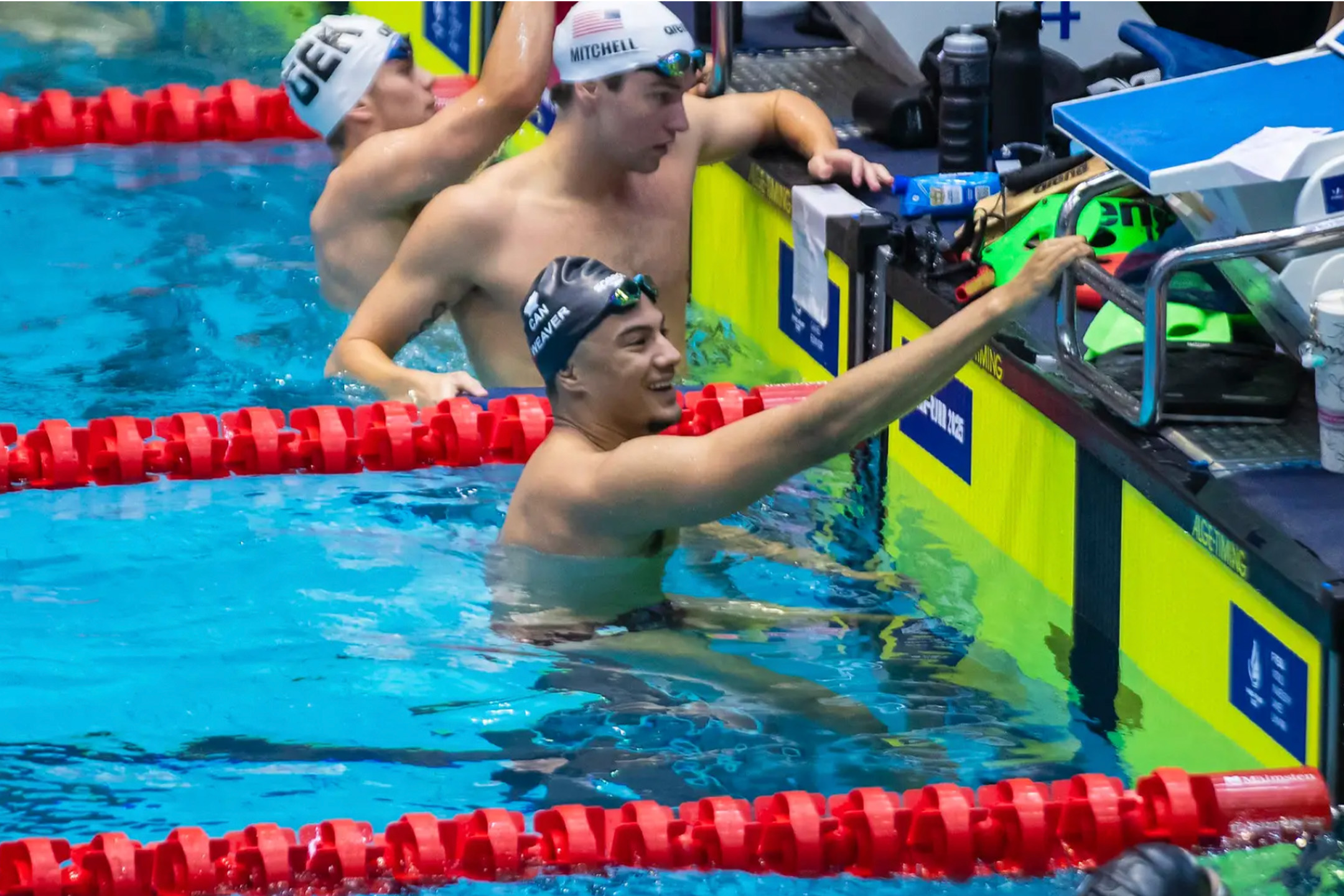
These moments showcase the power of sports, and the importance of representation. Having someone to look up to is so important, especially as a young kid. It sets the bar for what’s possible, and I am certain it played an instrumental role for me in making my first Canadian Senior National Team at the 2025 Fédération Internationale du Sport Universitaire (FISU) Games.
As I reflect on my career as an athlete and think about the impact I want to leave behind, I hope that I can continue to inspire swimmers of all races to believe in themselves. So now, when I’m asked “Why swimming?” my answer is easy: because I love it. And maybe my passion for the sport will someday spark someone else’s.

No comments to display.