
With students vying to steal a few short minutes with recruiters, it can be hard to build meaningful connections with company representatives.
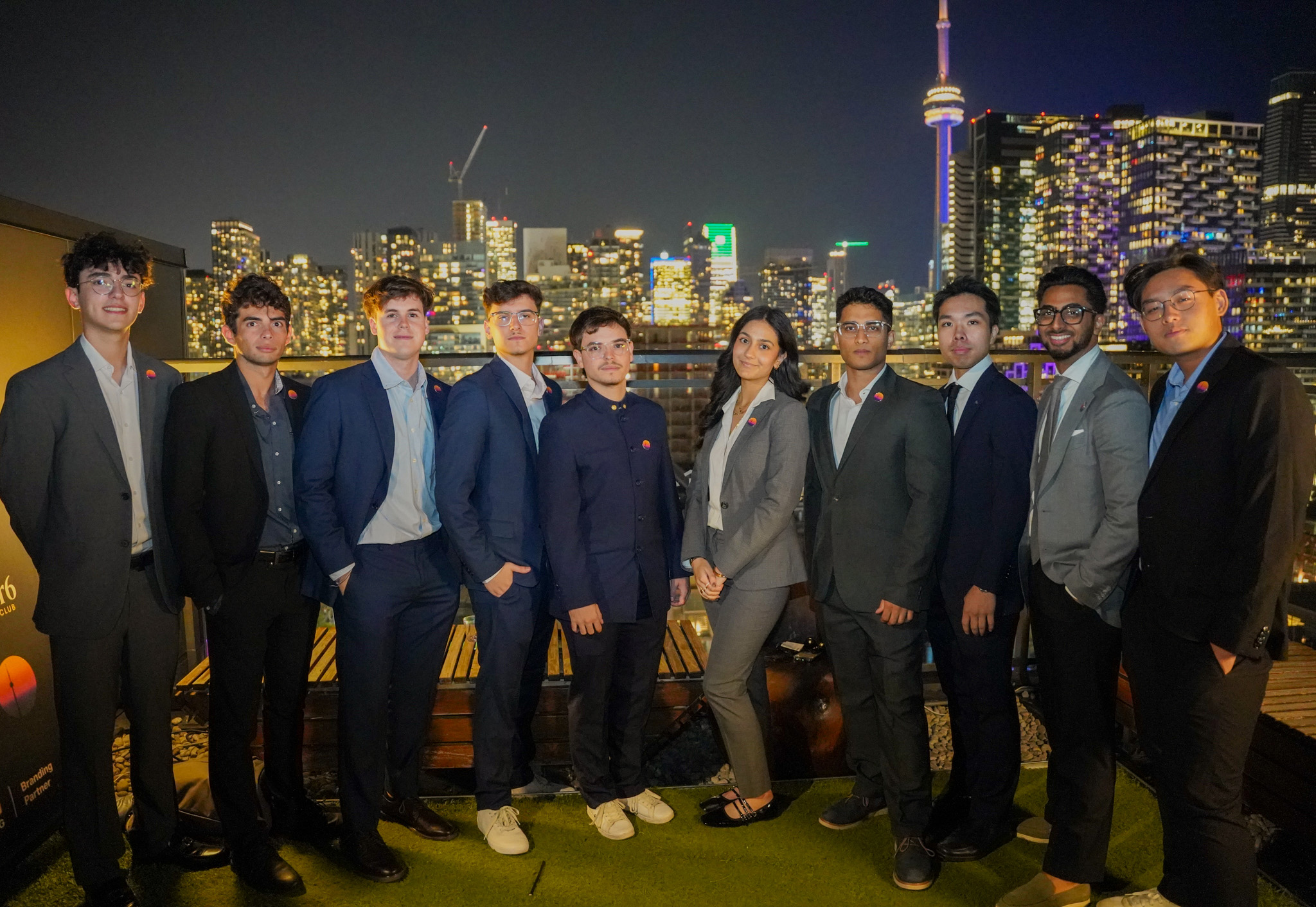
After6 Social Club is a new student group that aims to change the student networking experience. Mikas Agarwal, the club’s president and a fourth-year UTM marketing and economics student, wrote in an email to The Varsity that After6 Social wants to fix the “awkward, transactional nature of campus career fairs.”
The club has already hosted many networking events in its first year running, with Agarwal writing that the relaxed nature of the events will help students build “organic” relationships with recruiters, while also gaining the confidence to set up coffee chats.
A disruption to traditional networking
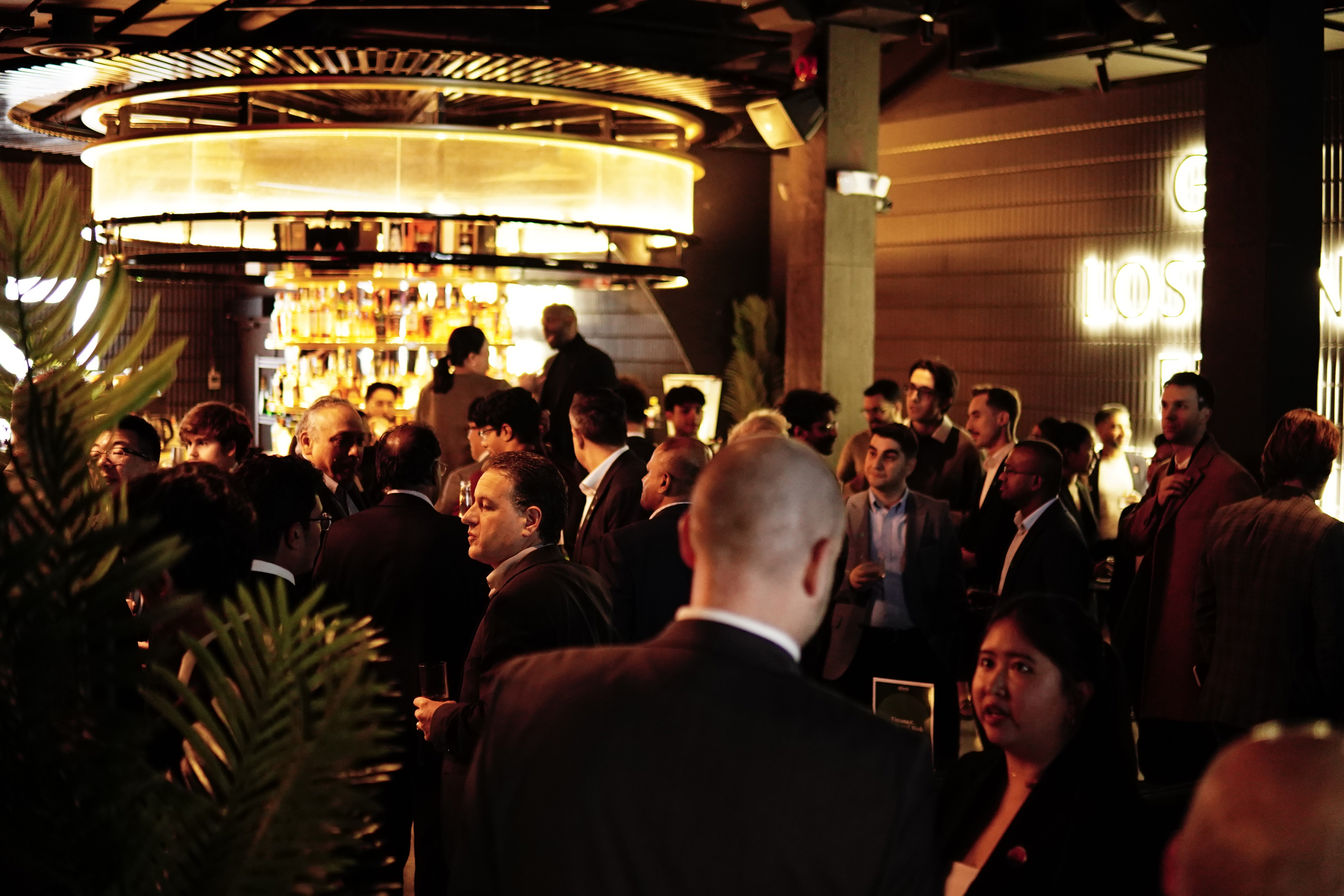
What is unique about After6 Social’s networking events compared to other organizations’ events, like You’re Next Career Network, is that they usually maintain a 1.5-to-one recruiter-student ratio by inviting a large number of company representatives. Agarwal believes that inviting more recruiters than students can release some of the competitive pressures surrounding the job hunt. He wrote, “Students are exhausted from going to events only to find representatives swarmed by crowds, making it impossible to build a genuine relationship.”
He observed recruiters going out of their way to talk to students in these scenarios, instead of the opposite way around. “This allows students to naturally develop soft skills, like conversational agility and social etiquette, without the pressure of fighting for a professional’s attention.”
After6 Social also plans to host events in external Toronto venues to move networking away from campus lecture halls — they have hosted events in restaurants and bars like Lavelle, Bar 404, and The Parlour.
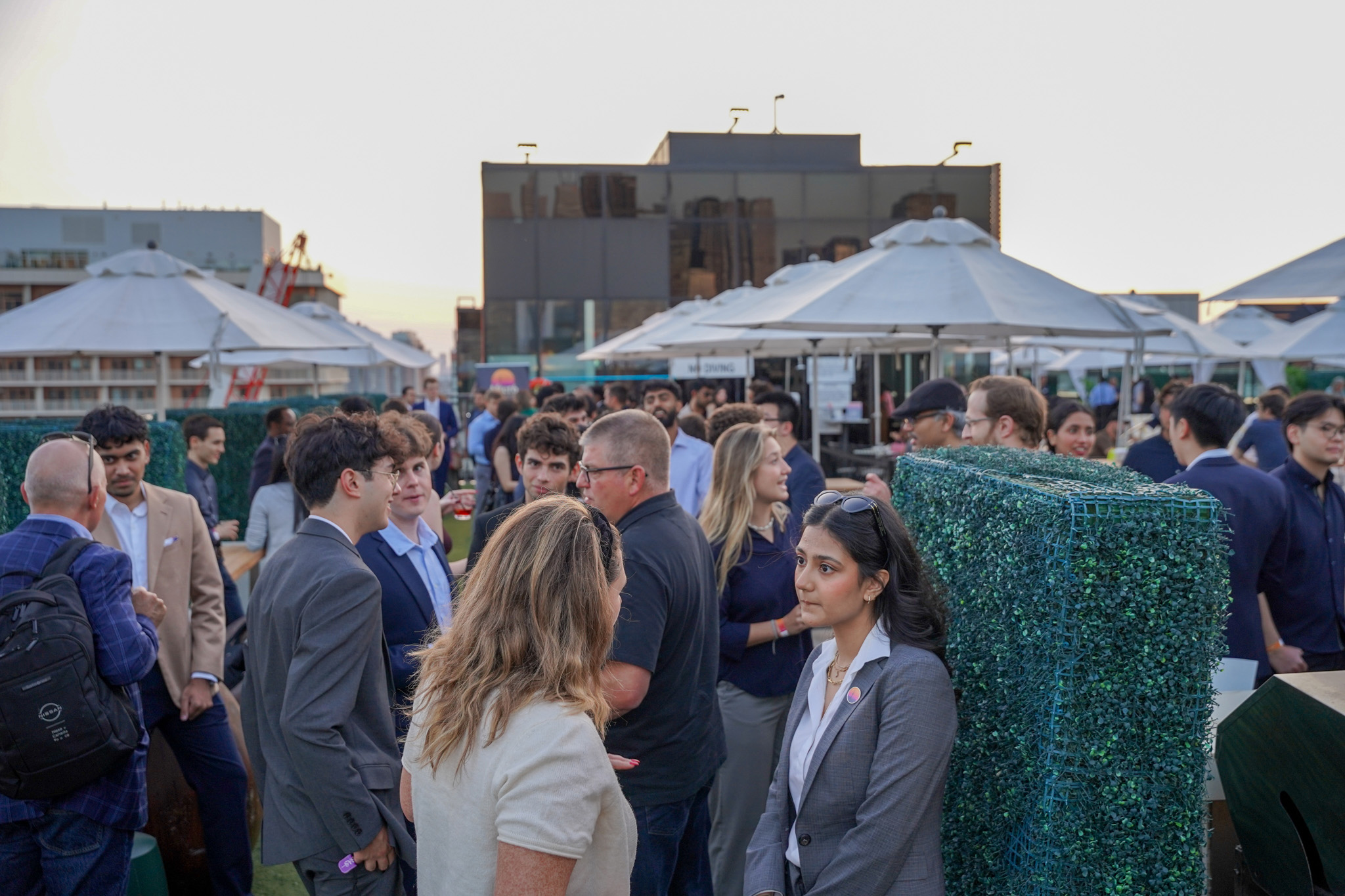
The club wants to encourage students to explore industries more openly and learn about a variety of roles, rather than focusing only on the position they are interested in. To do so, the club employs a colour-coding system: all company representatives from the same industry (such as consulting, finance, or technology) will wear a sticker of the same colour, but there will be no other information available about their specific role. This way, students can network with people working in industries they are interested in, but might find themselves talking to someone in a role they previously did not know about.
With regards to this system, Agarwal wrote, “It also helps students think more holistically. If someone is interested in a specific industry or job title, it is still valuable to understand the surrounding roles that support that space.”
The journey as a new club
Agarwal wrote that founding After6 Social was an “uphill battle against bureaucracy.” Initially, the University of Toronto Mississauga Students’ Union (UTMSU) did not support his endeavour in order to avoid an oversaturation of networking clubs. This meant that the club had to find its own funding, with Agarwal’s family company, Akran Marketing, a promotional products supplier, stepping in to sponsor the club.
Despite their status as a new club, After6 Social did not face many difficulties in finding company executives and representatives to join their events. As the team had been building their professional networks since their first year at U of T, Agarwal wrote that they “leveraged those connections to build [After 6 Social]’s initial roster.” He reported that many executives enjoy these events and go on to invite colleagues to future After6 Social events.
The student group’s future
Demand and engagement with After6 Social’s events have been high. Their first event, the Sunset Mixer, was held last September 2025 at Lavelle. According to Agarwal, the event’s content on Instagram generated 42,000 views in 30 days. Agarwal also noted that the club’s events have always reached the full capacity of 125 people.
After6 Social plans to actively incorporate student feedback into their future event planning. At each networking mixer, they ask attendees to rate their events out of five. While participant ratings are consistently between 4.5 and five, the club nevertheless receives valuable feedback. For example, the club held a Black Tie Social in November 2025, where students found the networking window to be too short and hoped to address this in the future.
The group’s current work revolves around its longevity. According to Agarwal, the executive is in the process of selecting next year’s team while working with the university to “secure official funding and recognition” that can help the club remain a “permanent, well-supported fixture for future students.”
Students interested in the club can learn more on their Instagram page @after6.uoft.

No comments to display.