
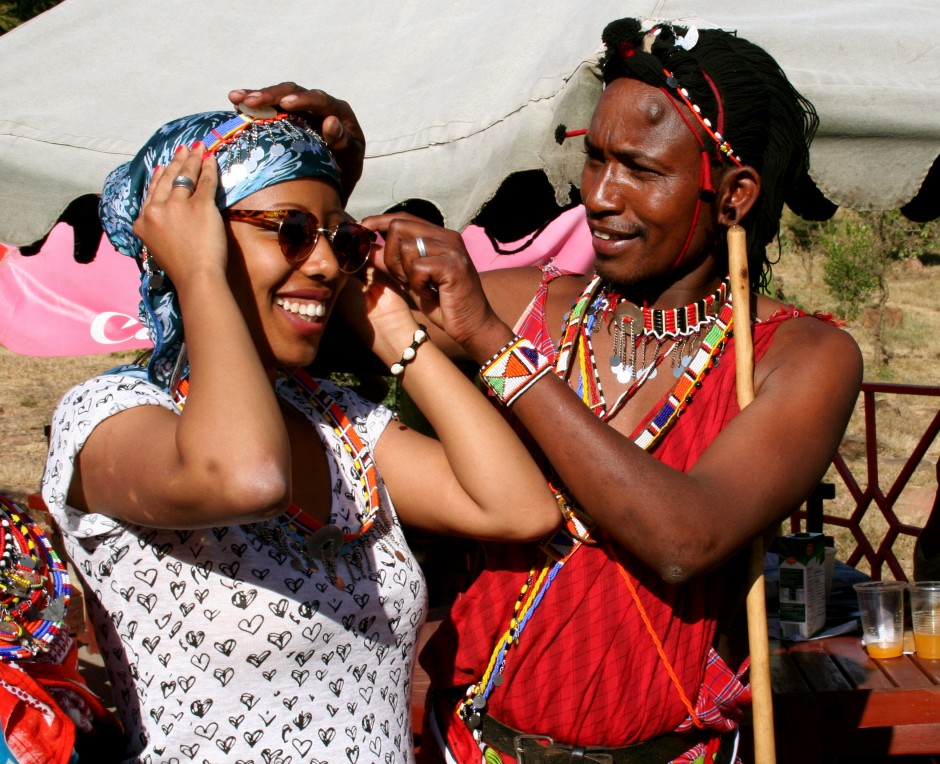
The Great Rift Valley is only two hours drive from Nairobi but it feels like the edge of the world. The view is breathtaking. It is uninhabited as far as the eye can see and the Ngong Hills, the chain-mountains surrounding the Rift Valley, add to the spectacle. The Great Rift Valley is a Maasialand. The life of the Maasia communities revolves around the quest for water and grazing land, they travel several hundred miles during dry seasons in search of water and greener pasture. The Maasia are famous for being fierce warriors and have very little attachment to possession due to their semi-nomadic lifestyle. They are also warm and welcoming; in the picture, a Massia man is helping me with their traditional jewelry.

Eyerusalem Tessera
Graduate, UBC and McGill University
Internship at AMREF Kenya Country Office
Monitoring and Evaluation Unit
Nairobi, Kenya
Graduate, UBC and McGill University
Internship at AMREF Kenya Country Office
Monitoring and Evaluation Unit
Nairobi, Kenya
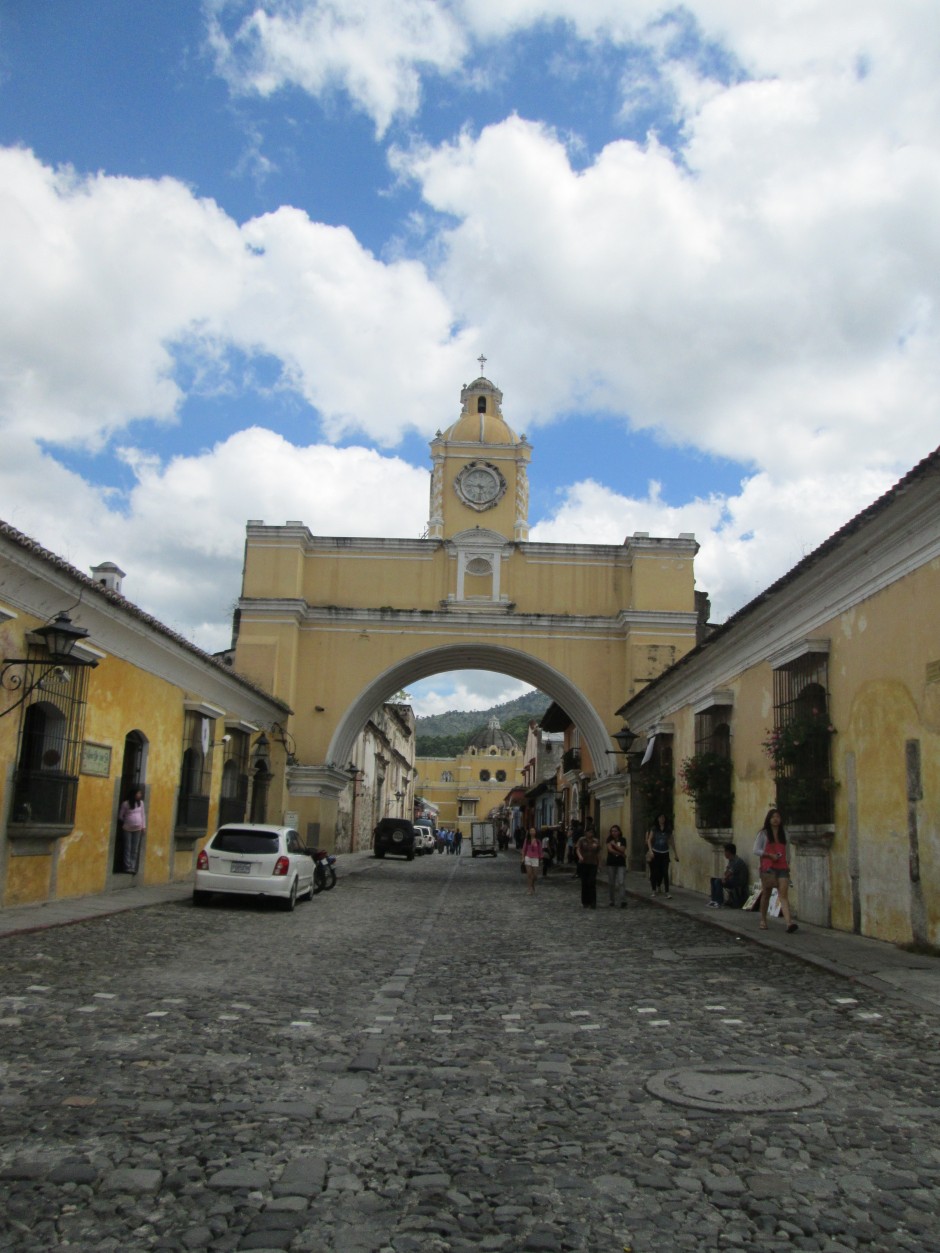
During the last two weeks of August, I travelled with U of T students to Guatemala with VIDA, a non-profit humanitarian organization based in Central America which provides free basic medical, dental, and veterinary assistance to needy communities. Local doctors taught myself and the other medical volunteers the basics of taking vital signs, diagnosing patients, and prescribing medications. Over the course of our two-week trip, the medical team saw over 300 patients and the dental team saw just short of 200. We visited some cities, but one of the most memorable for me was Antigua. The city has been designated as a UNESCO World Heritage Site because of its beautifully preserved Spanish Baroque-influenced architecture. Our group had the day off to explore the old city. We visited La Merced Church, some beautiful cafés, and the Santa Catalina Arch, which connects two parts of an old convent.
Grace Athanasiadis
University of Toronto, 4th year
Bachelors of Science in Chemistry
Medical Volunteer
Volunteers for Intercultural and Definitive Adventures (VIDA)
Guatemala
University of Toronto, 4th year
Bachelors of Science in Chemistry
Medical Volunteer
Volunteers for Intercultural and Definitive Adventures (VIDA)
Guatemala
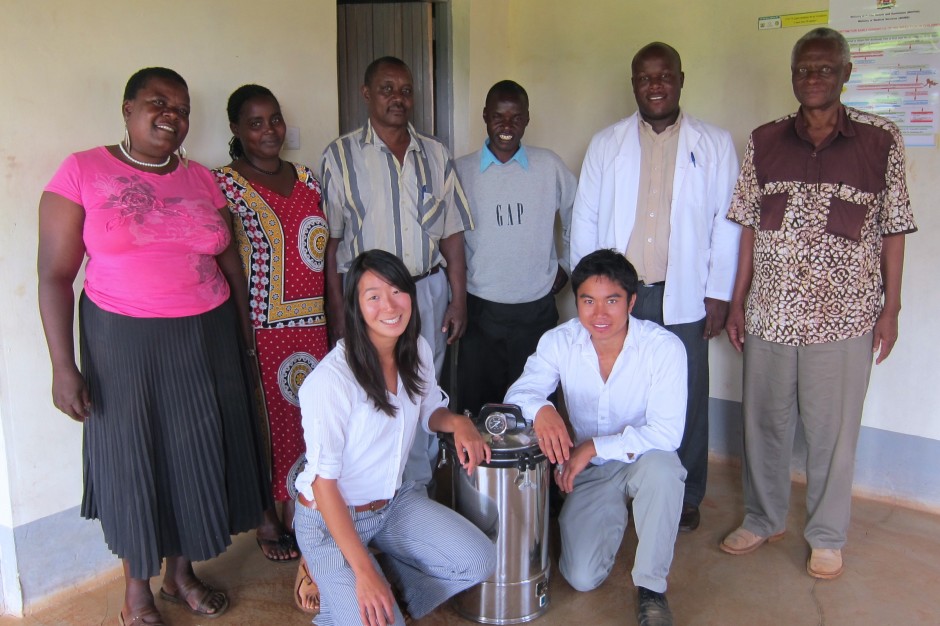
In my placement in rural Western Kenya, one issue I observed is the effective use of foreign aid. It’s a difficult process in deciding where to allocate funds as both cultural and political issues must be addressed. My colleague, Mary Qiu and I are pictured here, posing with the head nurse and board of Munoywa Dispensary, showing off a new autoclave, which we provided for this healthcare facility along with procuring other laboratory equipment and organizing the construction of a dressing room. We had the option of using donor money instead for fencing to address patient and staff safety concerns, or for more inpatient beds, but our decision was based on how these potential improvement initiatives aligned with the mandate of our organization. I felt that I could use principles gained from my industrial engineering degree to aid in decision-making, but the political, cultural, and socioeconomic factors made this difficult. It makes me appreciate the struggles that governments and organizations have in foreign aid allocation at higher levels.
Greg Dungca
U of T Graduate (May 2013)
Industrial Engineering
Students for International Development U of T
Project Management Internship
Kenya, Africa
U of T Graduate (May 2013)
Industrial Engineering
Students for International Development U of T
Project Management Internship
Kenya, Africa
As a Training Intern at the African Medical and Research Foundation, I am working with the Capacity Building department to develop and improve training curriculum, facilitate trainings, develop tools to evaluate training programs and update the training database at AMREF. This internship has allowed me to apply what I learned in my teacher education program at OISE, while still working in the international development and health fields. So far, the training that sticks out most during this internship is the Sexuality Training I attended in August for marginalized and excluded young people. This training was specifically for men who have sex with men and commercial sex workers. This training was organized to provide these marginalized youth with knowledge on responsible sexuality such as proper condom use and sexually transmitted infections, as well as important information regarding HIV/AIDS such as modes of transmission, proper nutrition, and resources for support. It is run through a project aiming to help adolescents recognize their sexual reproductive health rights.
Heidi Parker
OISE Graduate (June 2013)
Master of Teaching Program
Training Intern at AMREF Tanzania
Tanzania, Africa
OISE Graduate (June 2013)
Master of Teaching Program
Training Intern at AMREF Tanzania
Tanzania, Africa
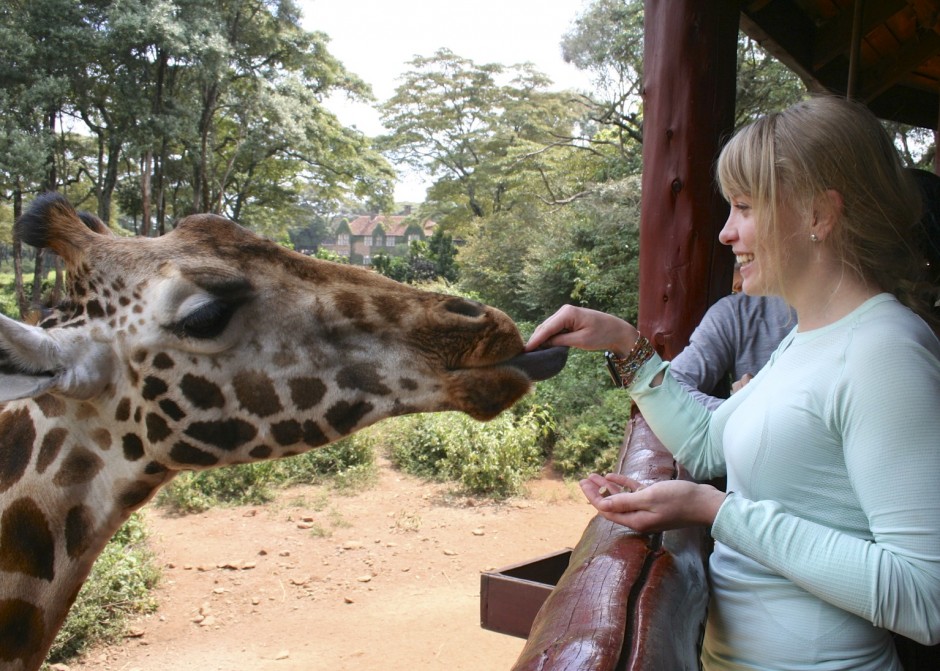
Between feeding giraffes in Nairobi and walking alongside them on the beautiful Crescent Island at Lake Naivasha, I have learned that you can never have too many pictures of giraffes. Or Zebras. With a little time to reflect in awe of the many verdant landscapes bursting with life, I have also learned a lot about myself. My professional growth experience with AMREF has been unbridled and full of opportunity. I’m working in a small team to conduct research and advocacy on the healthcare worker shortage in Kenya, among a few other projects. Research has become a greater priority for AMREF, which translates into a better understanding of health interventions and programs, and the associated social implications; allowing AMREF and the wider global health community to create “lasting health change in Africa”.
Jordan Jarvis
MSc ’12 Grad (Dept. of Medical Biophysics)
Operations Research Officer/CIDA Intern
AMREF
Kenya, Africa
MSc ’12 Grad (Dept. of Medical Biophysics)
Operations Research Officer/CIDA Intern
AMREF
Kenya, Africa
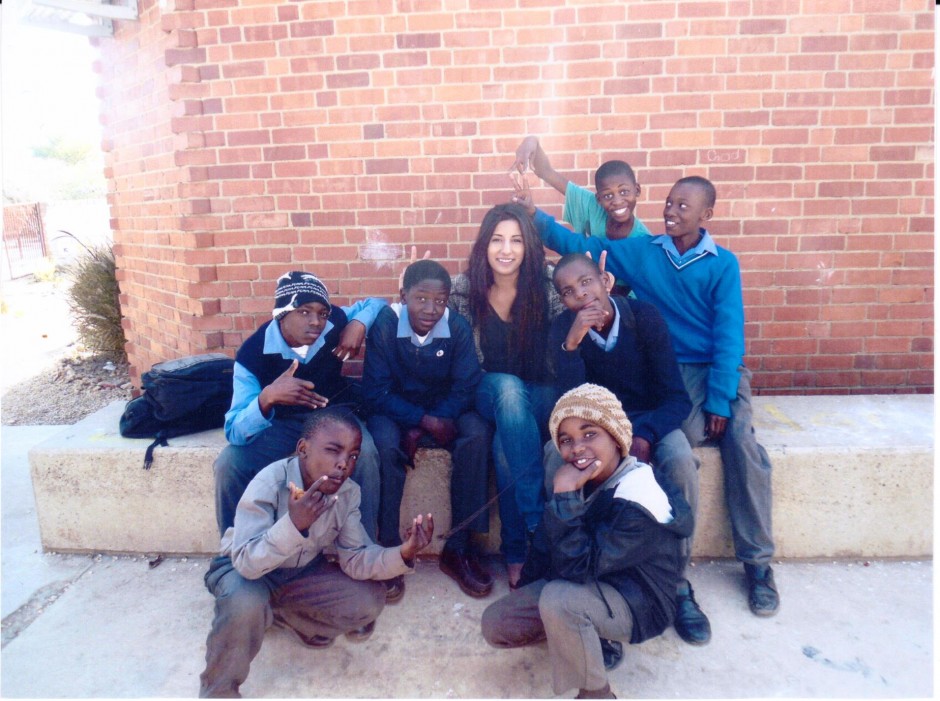
When I arrived in Namibia, I felt like I had all the time in the world. Today, I scrambled to take pictures with the kids at PAY (Physically Active Youth), since I was so busy over the summer that I forgot to capture the moment. The students at PAY became such a big part of my life, and though I spent the last 10 weeks teaching them, they in turn became my teachers. About an hour after this picture was taken, we were attacked by dozens of water balloons! We had a feeling the kids were planning something so we bought some flour to throw on them when they got wet. The plan backfired and within minutes we were completely soaked and covered with flour. After saying tearful goodbyes, we waited for a taxi to take us home. I didn’t blame the ones that slowed down but sped off after they took a look at us. It took four showers to get the flour out of my hair that night, but I couldn’t help but smile at the memory.
Khaleeq Khan
4th year, Kinesiology & Physical Education
Namibia Service Placement 2013
Namibia, Africa
4th year, Kinesiology & Physical Education
Namibia Service Placement 2013
Namibia, Africa
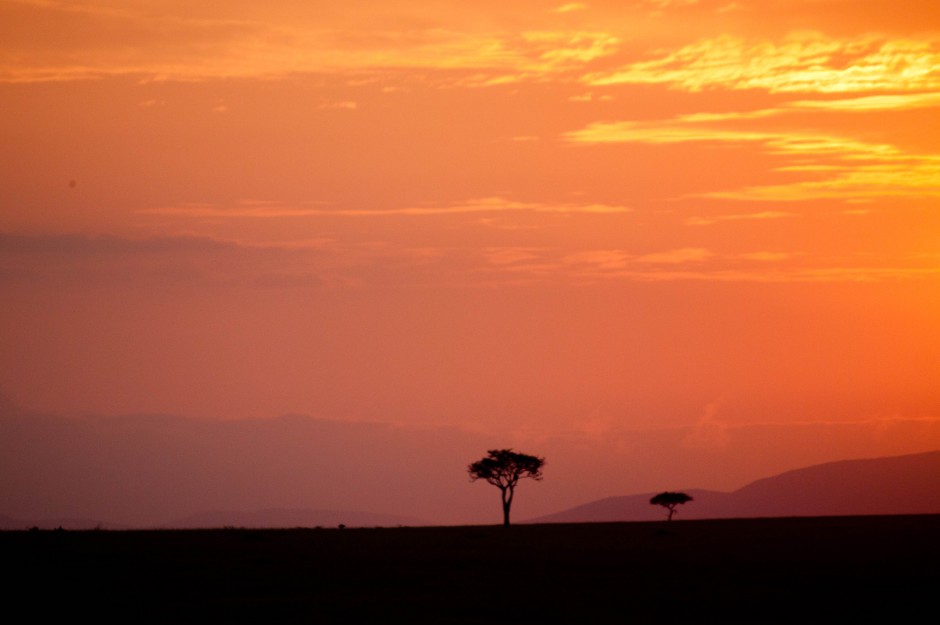
In conducting overseas development work, there are a number of assumptions that are made as a volunteer. Whether we admit to these assumptions or not, they are inherently ingrained in us by what we see in the media, what we read, and even in the terminology that comes with the field of development work. “First world” versus “third world” or “developing country” immediately brings to mind a stark contrast, painting chaotic images of far-flung places that are decades behind us in education, healthcare, and technological innovation. After four months in East Africa, I came to understand is that these assumptions, while not necessarily factually wrong, are misguided, as our understanding of poverty is Western and thus problematic to apply onto a foreign culture. Solutions to poverty in Kenya are not the same as solutions to poverty in Canada. Life in East Africa is certainly not easy for the people there, but there is a unique beauty to the daily rhythm and flow that ebbs each day with the rise and set of the sun.
Mary Qiu
4th year, Industrial Engineering
Healthcare Development
Students for International Development (SID)
Western Province, Kenya
4th year, Industrial Engineering
Healthcare Development
Students for International Development (SID)
Western Province, Kenya
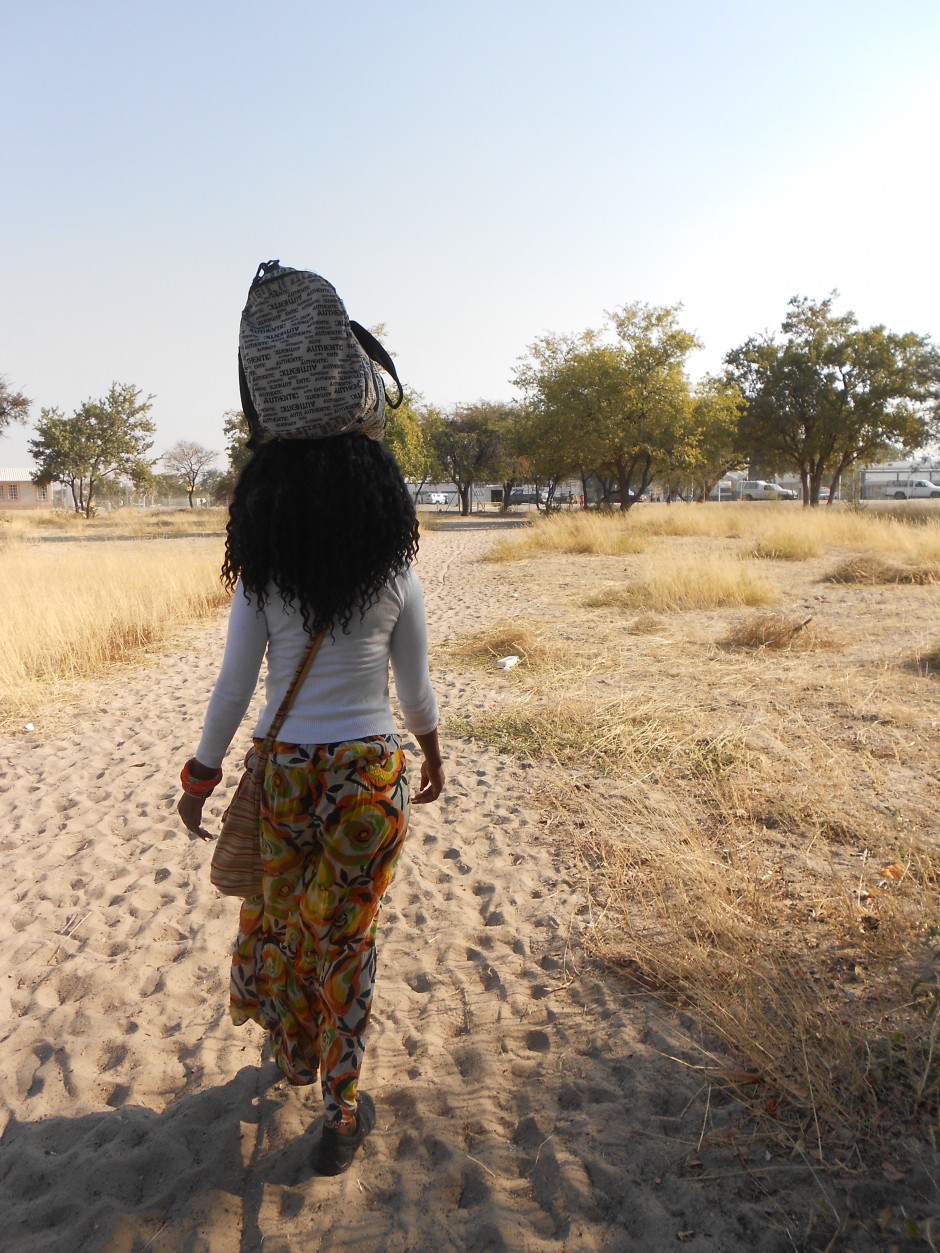
Walala wasala, wavuka wahamba. Loosely translated from Zulu this phrase means “if you are lazy you stay, if you are strong you go.” It is a mantra I often heard from Miss Doris, a dance teacher I met on my service placement in northern Namibia. Doris was the living embodiment of this phrase, making her modest living as a community organizer teaching self confidence through the art of dance to thousands of children affected by HIV and developmental disabilities. Doris is a hardworking, no-nonsense woman with an enormous heart who continuously inspires her students. To me, Doris was a mentor and role model. In the afternoons I spent with her teaching a dance class for deaf teenagers, I watched as she engaged a classroom full of students with every reason to disengage. Listening to her stories over tea and toast, I learned that Doris had grown up in Apartheid-era South Africa and believes dance to be not just freeing, but a way out of difficult circumstances.
Molly McGillis
University of Toronto, 4th year
Human Biology, Global Health and African Studies
New College Service Learning Placement
Namibia, Africa
University of Toronto, 4th year
Human Biology, Global Health and African Studies
New College Service Learning Placement
Namibia, Africa
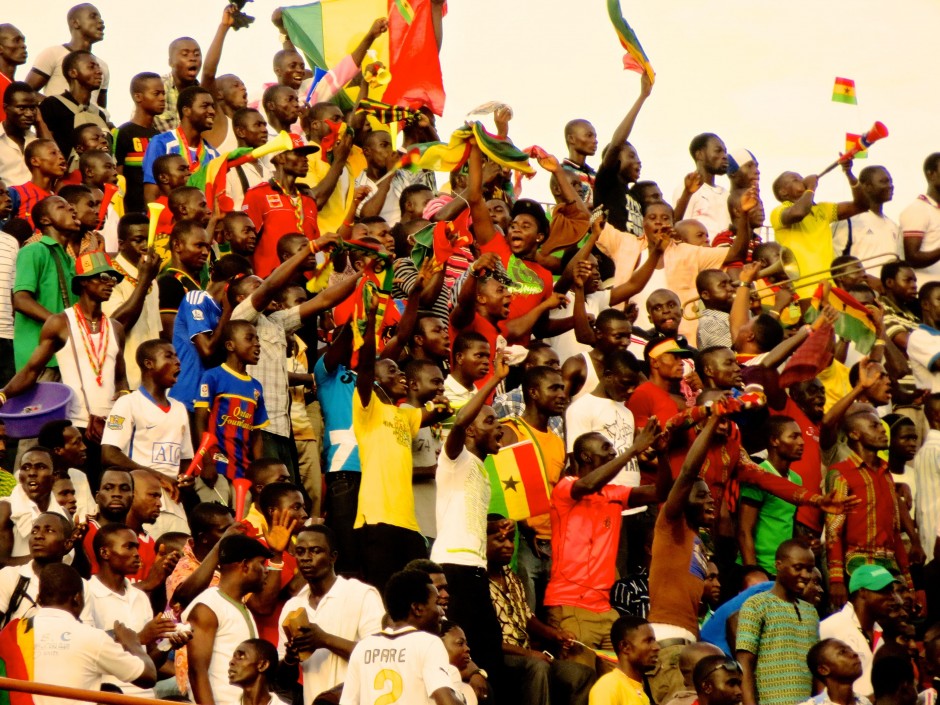
Having fallen in love with Ghana last year, I had to go back. During my internship, I helped facilitate and lead some of HEPENS’ community outreach programming in villages outside of Cape Coast, and completed placements at the University of Cape Coast Hospital and Adisadel Urban Health Centre working in their Reproductive and Child Health Unit.I also participated in the Ministry of Health’s national immunization campaigns. A highlight of my internship was joining forces with 45,000 Ghana Health Service community health nurses and volunteers to provide the oral polio vaccine to children under five years of age. My partner and I vaccinated about 400 children in just under three days. Often, as students, we are inundated with theory and we’re not able to see what we’re learning first hand. This internship in Ghana allowed me to see the successes in Global Health I had read about in class, while opening my eyes to how far we must go to achieve accessible health for all.
Sarindi Aryasinghe
University of Toronto, 4th year
Global Health Specialist, Political Science Minor
Public Health Research Internship
Health Protection and Environmental Sanitation (HEPENS)
Cape Coast, Ghana
University of Toronto, 4th year
Global Health Specialist, Political Science Minor
Public Health Research Internship
Health Protection and Environmental Sanitation (HEPENS)
Cape Coast, Ghana
