
Donald Trump recently returned to the Oval Office with the national popular vote. Since his inauguration in January, he has already ignited a trade war with Canada, their northern neighbour — mommy and daddy are fighting again.
From 25 per cent tariffs to conversations about Canada becoming America’s 51st state, the reactions from Canadians have been varied. Many Canadians have responded by boycotting American products and indulging in patriotic discourse. This, I think, raises questions about the usefulness of national pride and how it differs from nationalism.
I believe that nationalist movements often function as a defence mechanism rather than a pragmatic response to external economic or political threats, much like the ones Canada is facing now. While I believe nationalism can unify people in times of crisis, it can also be blinding to the flaws of a state, rather than being a tool for constructive civic action.
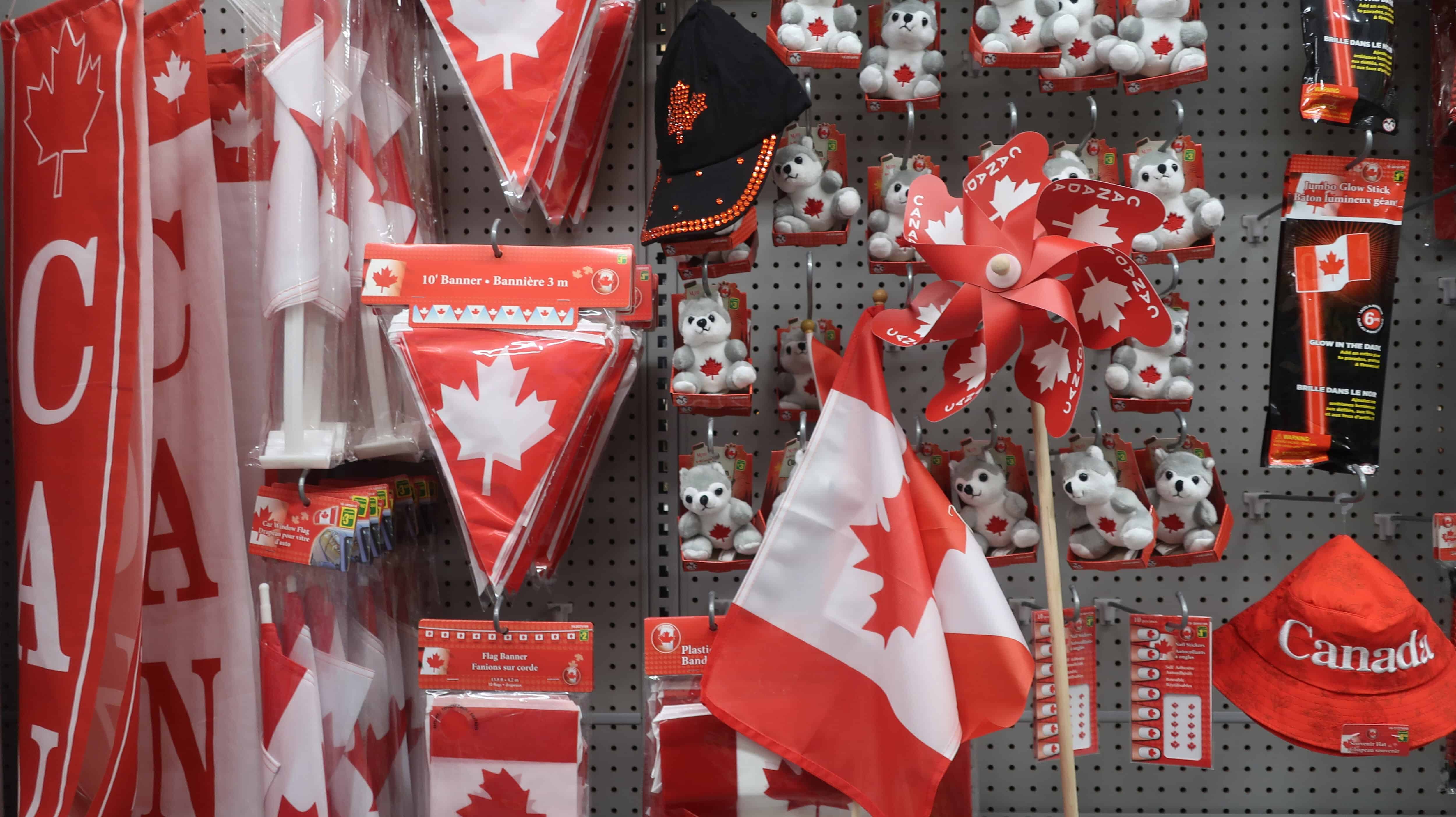
As opposed to falling into performative nationalism, like flag-waving and booing the American anthem, which encourages an ‘us versus them’ mentality, Canadians should focus on local unity. This refers to practical and targeted actions like boycotts and supporting local communities and businesses to fight against these challenges, to ensure that we build a peaceful resistance through working together, rather than reacting with a haughty nationalistic sentiment.
The tariff war
News outlets have been buzzing for months about how the Canadian economy could be affected by Trump’s tariff threats. In essence, tariffs are a tax that a country imposes on imported goods. Oil and gas extraction, crop and animal production, petroleum refineries, and automobiles are generally some of the major Canadians industries to be affected. For example, the 25 per cent tariff on automobile and vehicle manufacturing will make Canadian exports less competitive in the American market by creating an estimated additional cost of 13.3 billion. The US imposing tariffs could trigger a chain reaction of rising costs for Canadians, which will lead to reduced demand.
Reduced demand is bound to slow down the economy, resulting in higher unemployment and a further erosion of economic demand and health. Looking ahead, these consequences will further strain the relationship between Canada and the US, especially in terms of trade. Importing and exporting activity has a substantial influence on GDP, exchange rates, inflation, and interest rates. Trump getting rid of the tariffs is unlikely, as he continues to propose new tariffs, including a 100 per cent tariff on pharmaceutical drugs.
In February, now-former Prime Minister Justin Trudeau told CBC that “the government has to take US President Donald Trump’s threats to annex Canada seriously — even if it’s never going to happen.”
Natalie Stechyson from CBC News reported in March that many Canadians were worried about the upcoming tariff war, referring to “Trump’s policies and what seems like an unending onslaught of bad news.” However nerve-wracking this situation may be, I believe the masses can assert their power and autonomy by changing the way they spend their money.
The goal in boycotting American products is to not have to rely as much on American products and regain a part of our economic autonomy. People across the country have been working together to boycott American products — which outlets such as Forbes have proved to be effective.
National pride or nationalism?
It is often a slippery slope when national pride evolves into nationalism and leads to ineffective protesting, such as the booing of the American national anthem, since the sentiment behind it comes from a place of revenge, not unity. I believe that unity with the people around us, rather than upholding a nationalistic Canadian view, is the way forward.
While some may argue that boycotting American goods is a form of nationalism, I think the distinction between national pride and nationalism lies in its intent. Actions such as boycotting American products, supporting Canadian brands, consuming Canadian entertainment, and travelling locally aren’t about proving Canadian superiority but about tangible support and fostering unity for local growth.
I am grateful for my community, and the resilient people and communities that live in Canada. But am I proud of the country itself? Meh! My gratitude and pride for the country I live in are not the same thing. I love where I live, but does that mean I need to be proud of the country itself? If so, what is there to be proud of?
I think it’s worth questioning what we attach our pride to. Blind loyalty to one’s country may be a comforting, yet an alarming thought — however, unity with the people around us will always be what truly gets us through times of crisis.
Zaneb Asad is a fifth-year English, Political Science, and Creative Writing student at UTM. She is also a copy editor and Associate Opinion Editor at The Varsity.

No comments to display.