
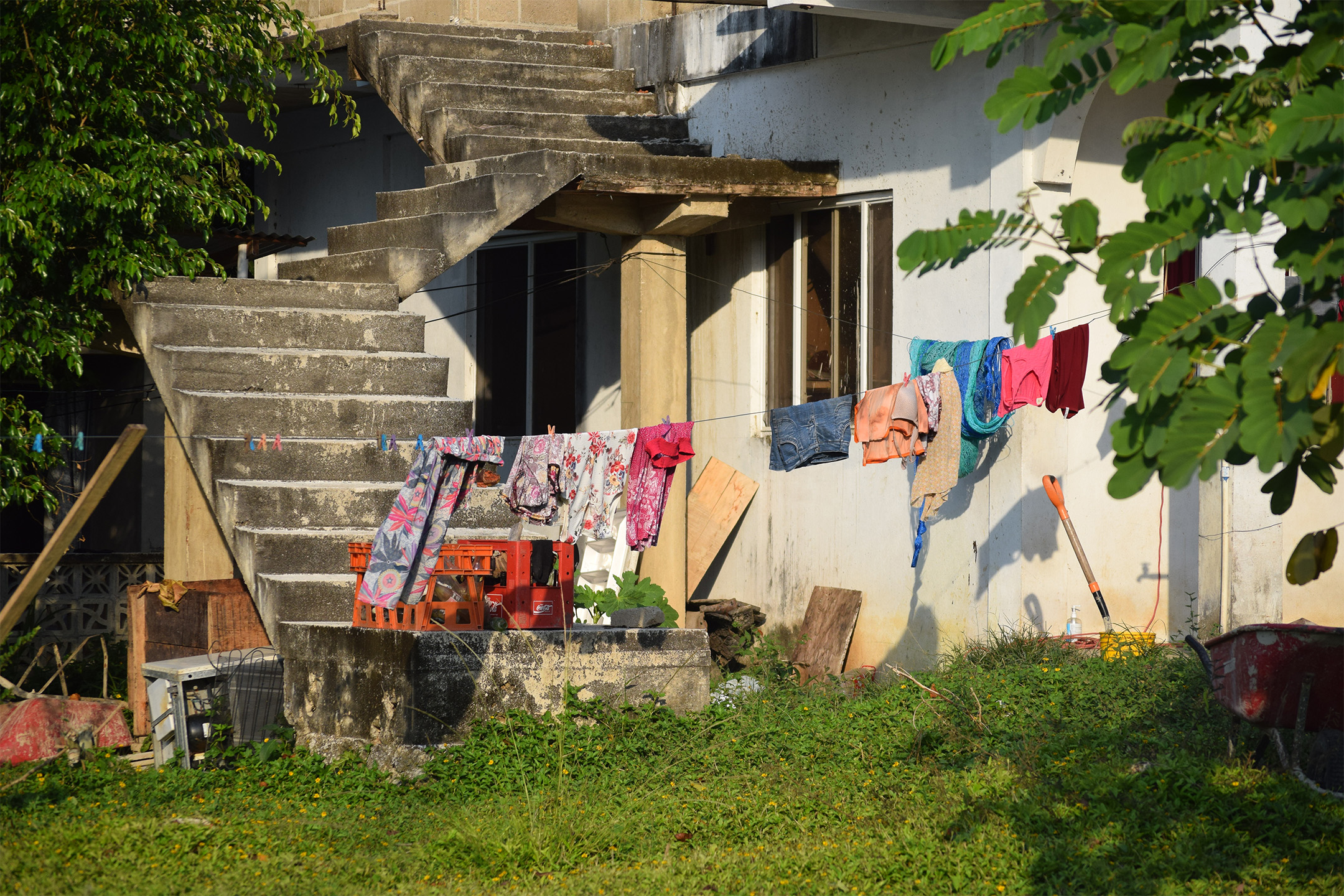
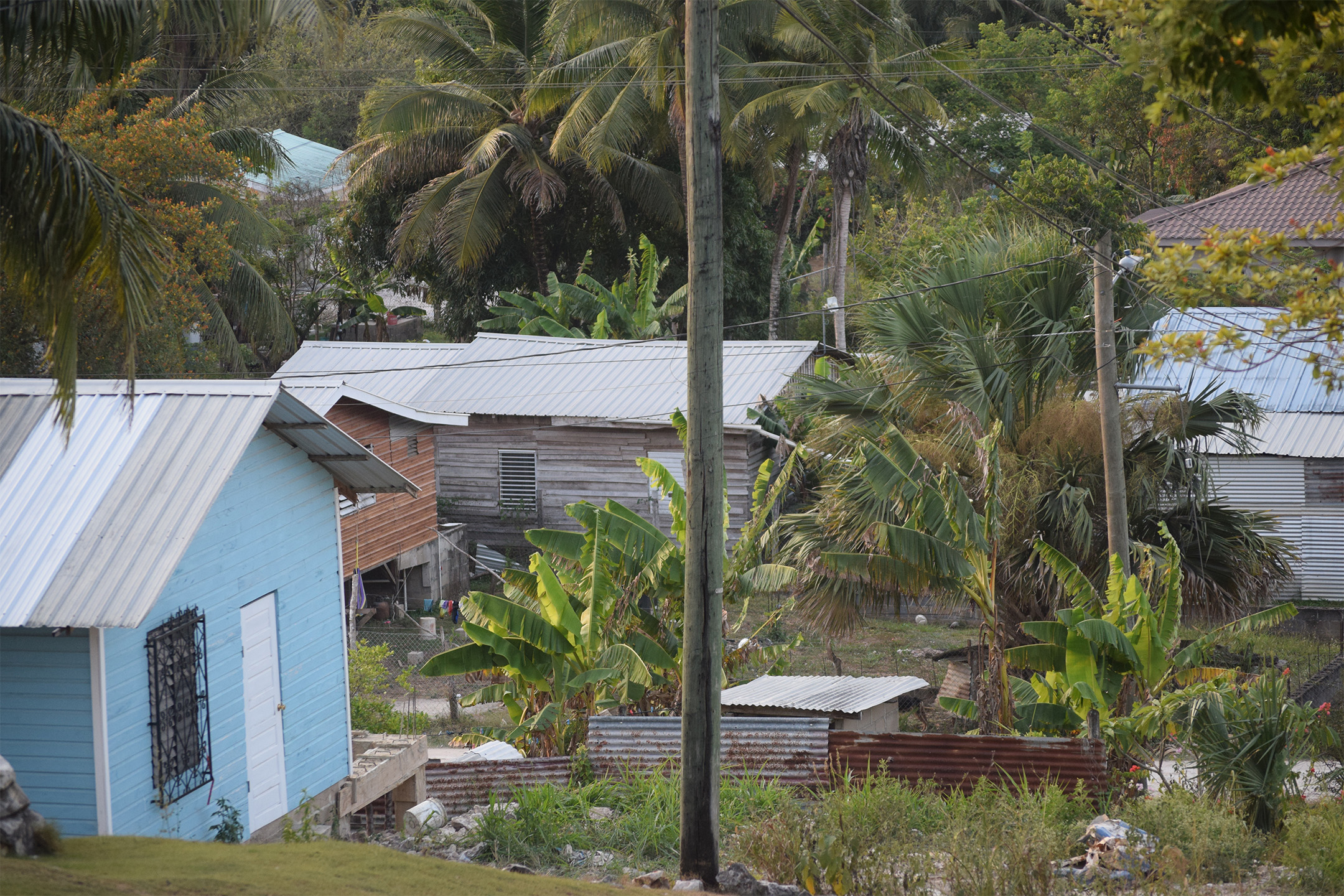
In May, I had the opportunity to travel across Belize with New College’s Indigeneity, Food and Sustainability international experience program. Traveling across the districts of Belize, I was taken aback by the familiarity within the unfamiliar, like I’d crossed these roads before. The tin roofs, bright pastel homes with foundations lifted slightly off the ground, and banana trees stretching toward the sky.
My time in Belize embodied a feeling of acknowledgement; a body of land that, although far from my own Trinidadian origins, bore a synonymous feeling of existence. It rang a reminder that the Caribbean is not defined solely by borders, but by the shared histories of cultivation, care and resilience.
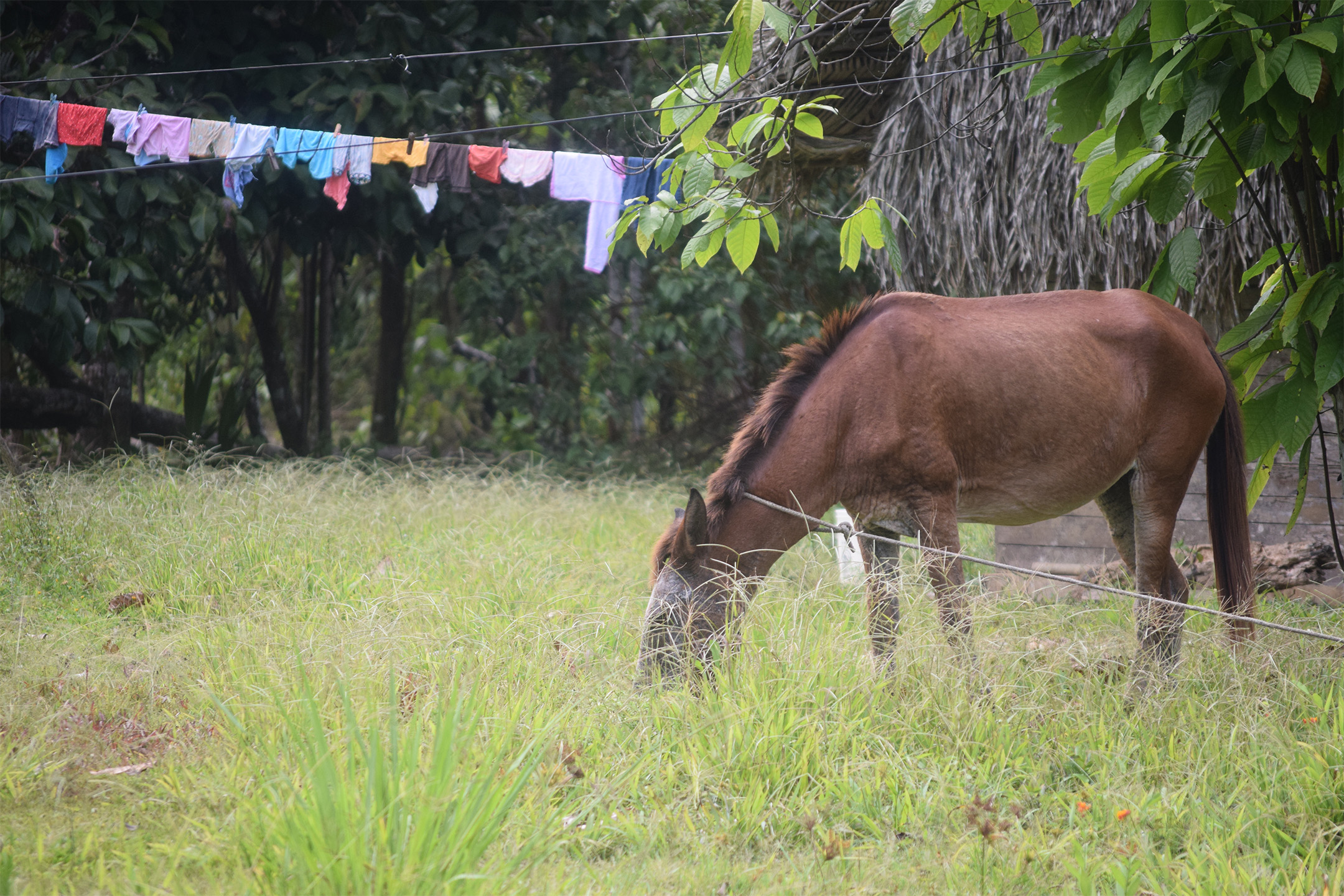
Here, I learned agriculture is not solely defined as labour, but as a path of knowledge keeping. Being able to witness families tend to plots of land together, it made me reflect on the politics of who gets to harvest and sustain the land. Is the land for any of us to ‘own’?
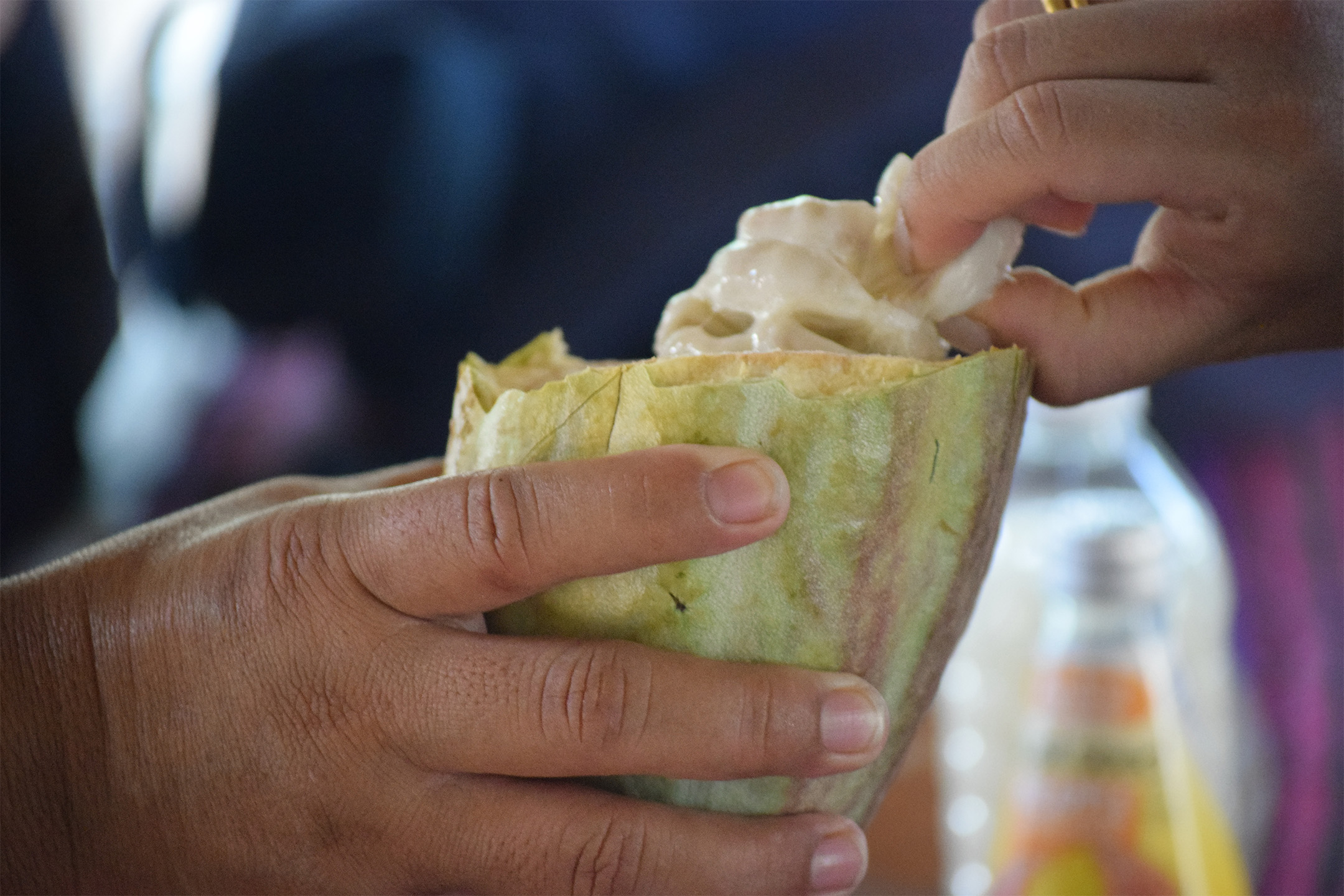
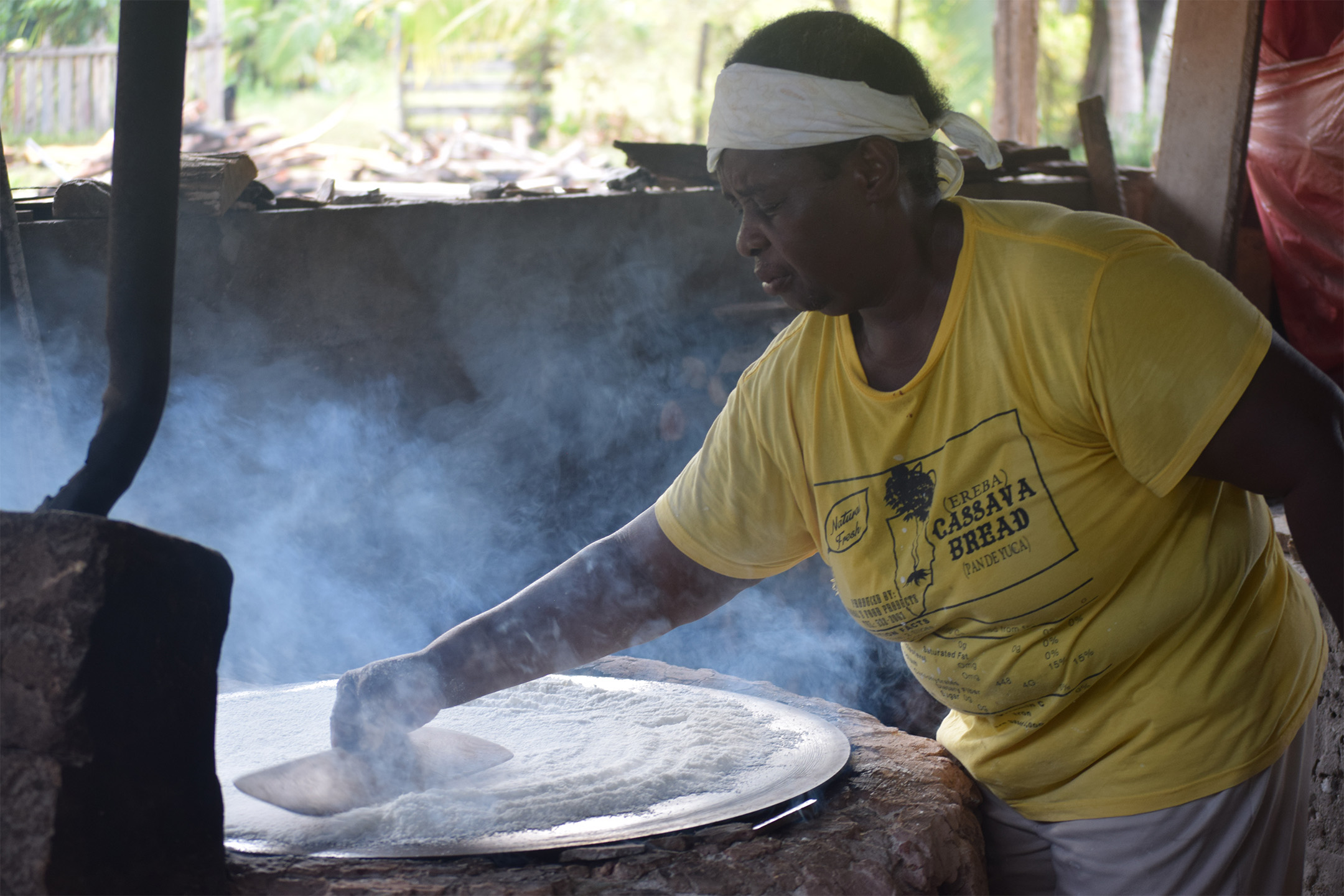
As I connected my feet to the bare soil, I thought about the weight of colonial history; the fruit, cassava, spice and sugar export economies which have formed the Caribbean’s so-called “place” in the world.
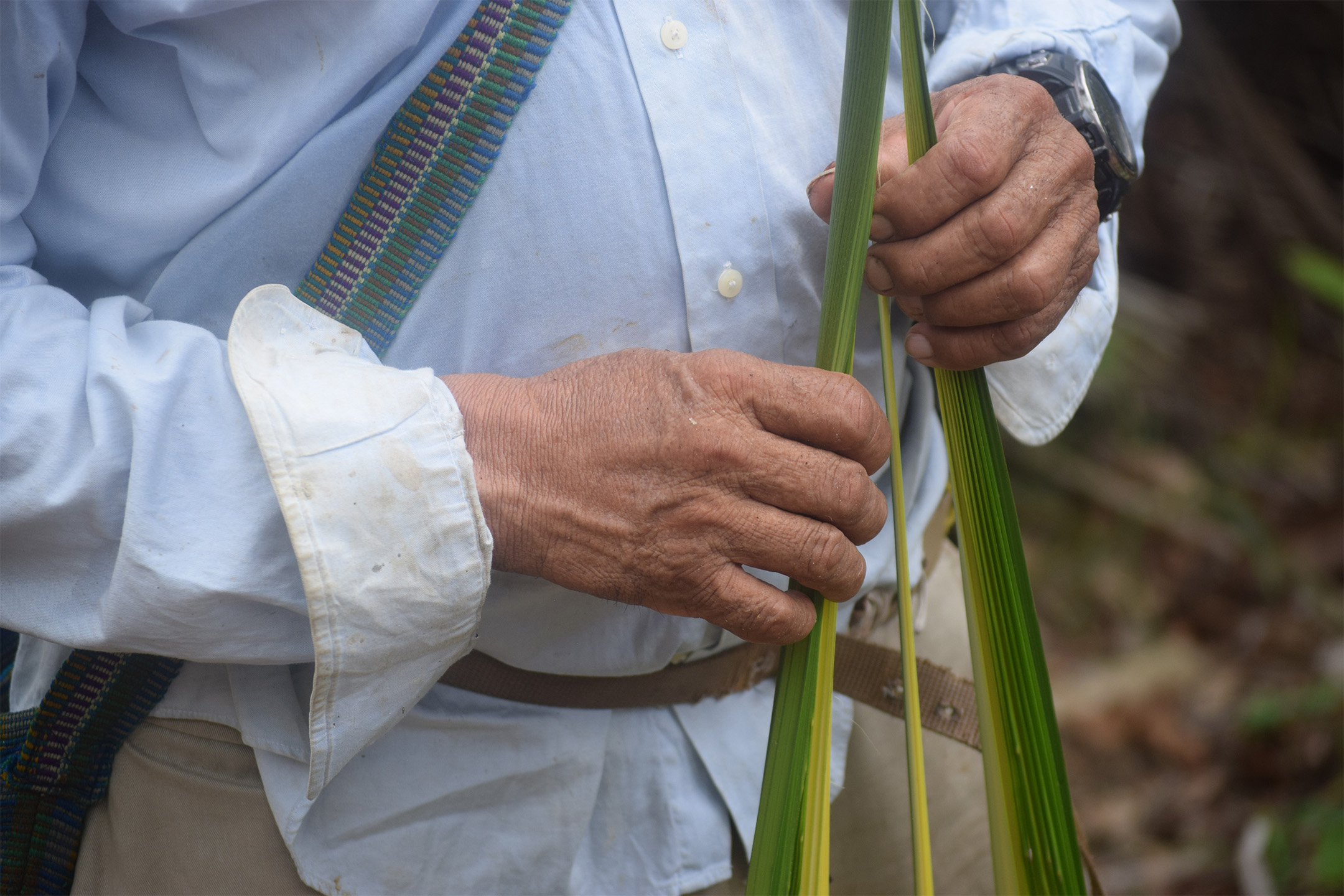
In Belize, agriculture is treated less like an institution, and more like a communal practice, where neighbours grow each other’s fruit, elders pass on techniques and stories, and younger generations learn the patience of growth, and the importance of sustainability. Being able to cook with local families reminded me that food serves not only as a commodity but also as a means of sustaining relationships, heritage, and identity.
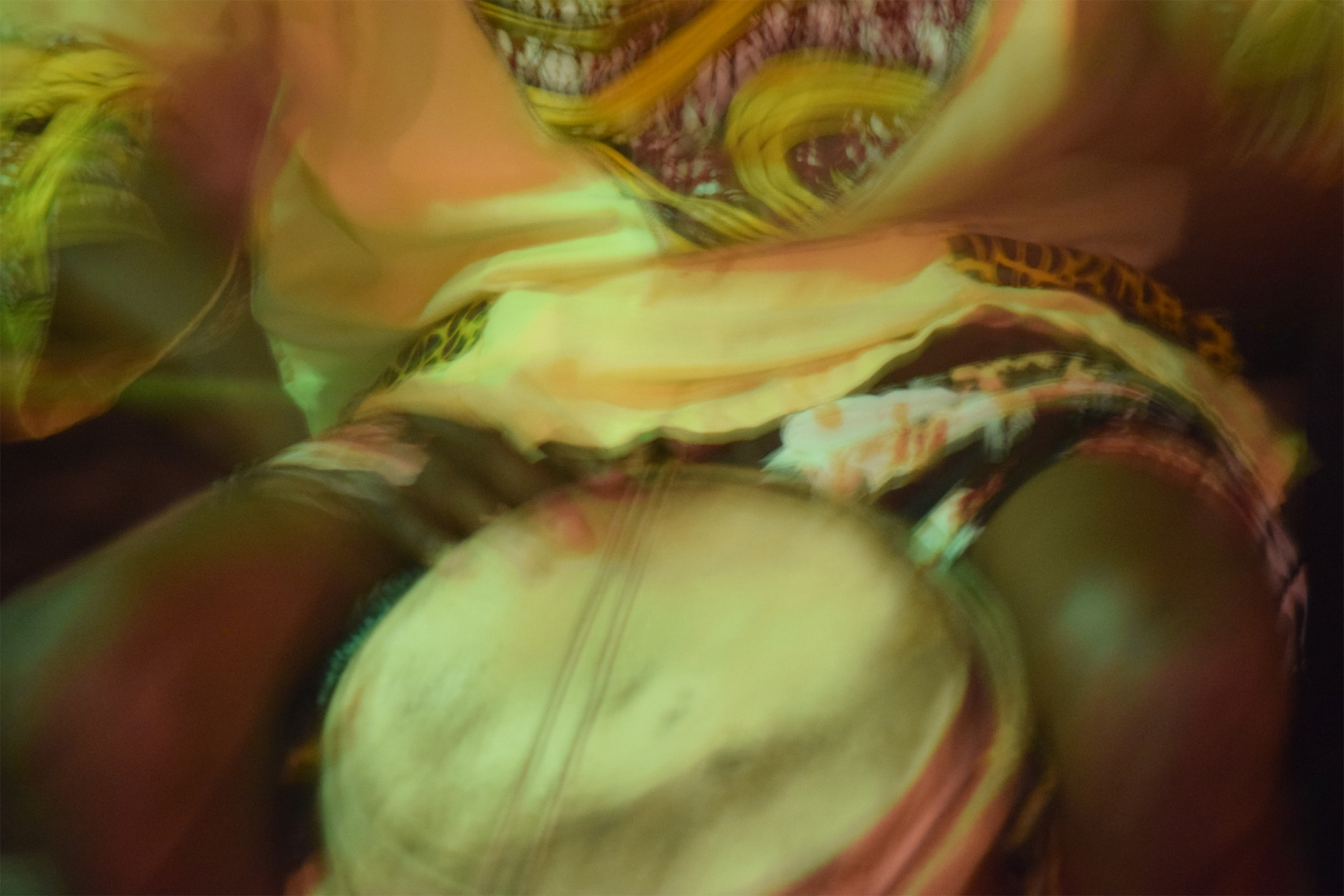
Being taken in by the community helped me reflect on how Caribbeans make space for each other, beyond our geographies. I didn’t feel like an outsider observing, but an active learner, and listener, being taught how care is taught in everyday gestures, like a shared meal or a communal dance.
Through my photography, I was able to recognize the quiet but resilient power of placemaking; the merging of land, labour, and care that holds our beautiful islands together.
Belize helped me expand my understanding of identity, and feel seen in an environment where I’m not living within the margins. It showed me that identity is not something fixed to one island, or one space. My identity is a network of connections, rooted in shared survival, struggle and Black joy.

No comments to display.