
Canada continues to grapple with its history of mistreating Indigenous peoples. Steps towards reconciliation are becoming increasingly visible and important in the world of sports. Teams across the country have started to highlight Indigenous voices by supporting artists, athletes, and fans through ceremonies, special events, and public acknowledgements.
However, critics question whether these efforts go far enough. When organizations and teams perform a land acknowledgement and then proceed to sing a national anthem written during a time of active colonization, do such actions represent genuine steps toward inclusivity, or are they merely performative displays created to mimic progress?
The Raptors and Maple Leafs
The Raptors and Maple Leafs hold many special event nights at Scotiabank Arena every season. The Raptors, for example, hold a yearly Indigenous Heritage Night, and the Leafs host an annual Indigenous Celebration Night.
For their event on January 6, the Raptors had Luke Swinson, an artist and member of the Mississaugas of Scugog Island First Nation, design a new variant of the team’s logo to be featured at their Indigenous Heritage Night. Swinson praised the Raptors’ efforts, speaking highly of his experience with the team and their commitment to creating representation for Indigenous communities in a Raptors’ team statement. “This opportunity means so much to me… Representing what’s important to me and my community through such an iconic and recognizable logo is incredible,” Swinson said in the Raptors’ statement.
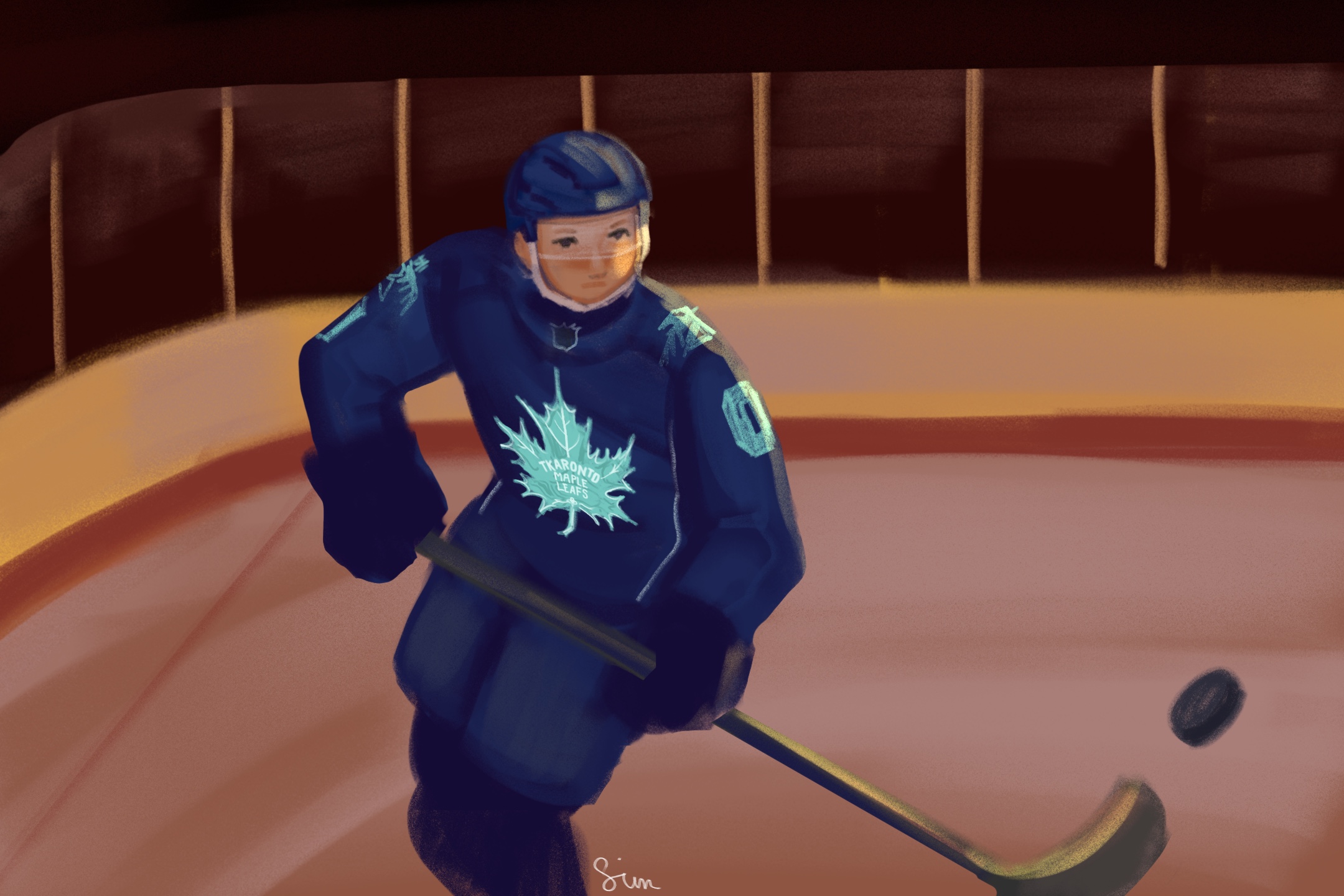
The Maple Leafs took a similar route, having Jennifer Taback, a member of the Shawanaga First Nation, design a logo that was used during Indigenous Celebration Night. Much like Swinson, Taback relished the opportunity to share her art and her community with hockey fans. “It’s an exciting opportunity to reimagine such a well-known logo and share my interpretation with both my community and the Maple Leafs’ community”, she shared in a statement to TSN.
Both teams donated proceeds from merchandise sales featuring the special logos to the ENAGB Indigenous Youth Agency, with the goal of supporting Indigenous youth and giving them new recreational and learning opportunities.
Blue Jays
Indigenous communities across Canada also showed up to celebrate the Blue Jays’ recent World Series appearance, showing off their detailed creations online, as covered by CBC. For instance, Chris Chipak, an artist from Red Pheasant Cree Nation, created his own variations of the team’s logo, using traditional styles of artwork, while artist Melissa Benson from Chippewas of Rama First Nation created stunning beadwork detailing Vladimir Guerrero Jr. on a baseball cap.
Additionally, the Jays Care Foundation, the official charity of the Blue Jays, has a website dedicated to learning “how you can be an ally to Indigenous peoples across the country.” Jays Care has utilized an Indigenous Advisory Committee that advises the organization on its reconciliation efforts. The charity is working with its Advisory Committee to create a new reconciliation strategy that will bring new opportunities for inclusivity into Jays Care.
Jays Care has also established the Indigenous Rookie League, an “intergenerational baseball program that promotes connection and belonging among Indigenous communities” in partnership with First Nation, Metis, and Inuit communities across Canada.
Performative efforts
Members of Indigenous communities hold differing views on whether sports teams’ celebrations and acknowledgements are genuine acts of reconciliation or attempts to appear progressive in the public eye. Some argue that these gestures often feel more like public relations moves instead of sincere efforts to honour Indigenous peoples.
In some instances, Indigenous artists have rejected offers to perform national anthems at sports events, citing a lack of compensation. For these individuals, the acknowledgement loses its meaning and commodifies Indigenous contributions when it is not supported by further action or education.
In contrast, some members of Indigenous communities see value in the visibility and representation these moments provide. They believe that such gestures encourage awareness and dialogue about Indigenous cultures, even if it’s not done perfectly. Supporters say the key to meaningful progress is genuine collaboration. By consulting Indigenous communities and truly listening to their input, teams can ensure that their actions reflect true respect rather than being performative.
Moving forward
True reconciliation in Canadian sports requires more than symbolic gestures or carefully worded land acknowledgements. Inclusivity demands consistent action, meaningful partnerships with Indigenous communities, and a willingness to confront uncomfortable truths about Canada’s past.
While increased visibility and recognition for Indigenous communities are a step in the right direction, lasting change depends on how Canada’s teams integrate Indigenous perspectives into their organizations year-round, not just during special events. Real progress needs Indigenous voices to lead the conversation, and policies and practices that promote respect, equity, and understanding. Only then does reconciliation become more than a performance.

No comments to display.