
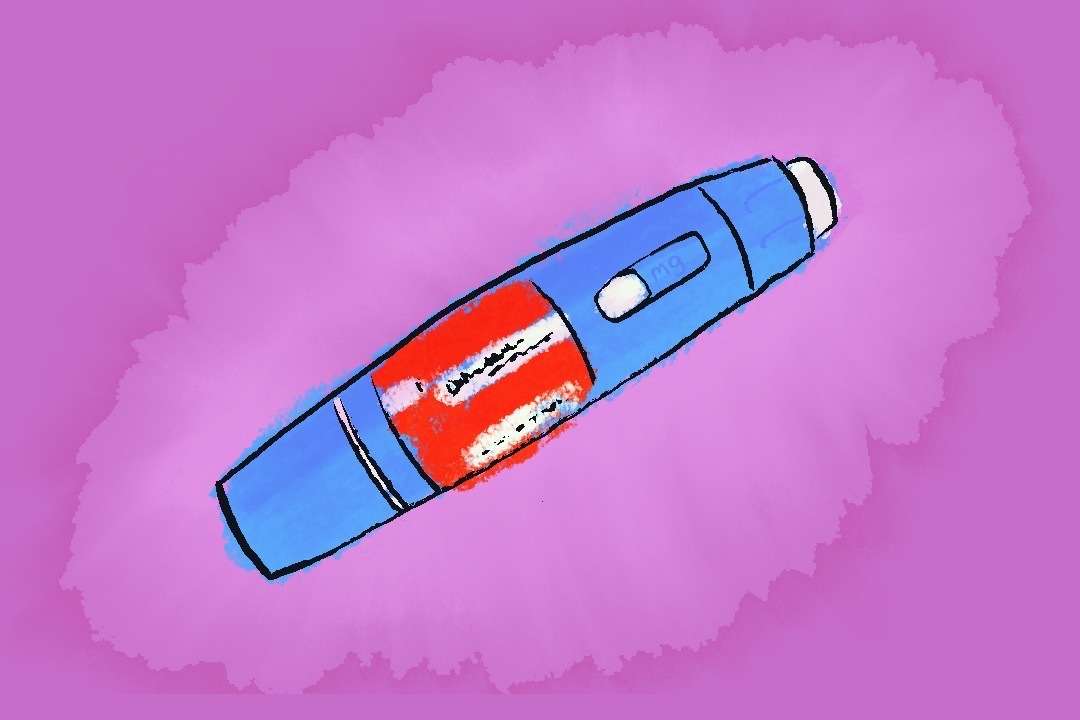
In 2018, Health Canada authorized semaglutide injections — more famously known by the brand name Ozempic — for blood sugar control in individuals with Type 2 diabetes. Recently, Ozempic has been making Canadian headlines for more than just its ability to manage diabetes and support weight loss for individuals with obesity.
Though Ozempic was initially patented by Novo Nordisk Canada Inc. in 2013, after they failed to pay annual patent fees, generic drug manufacturers are now allowed to produce their own copies of the semaglutide products as of January 4. Health Canada has already received eight submissions from different drug companies, including Sandoz Canada and Taro Pharmaceuticals, but has yet to approve any of them.
The increased accessibility of Ozempic could help many Canadians get the treatment they need, but generic drugs also come with ethical considerations and concerns about quality control.
The intricacies of generic pharmaceutical patents
A generic drug contains identical medicinal ingredients in similar dosages to its brand-name equivalent, but may contain several non-medicinal ingredients. This is generally no cause for concern, as the safety and quality of these drugs are reviewed by Health Canada authorities before they can hit shelves. Health Canada aims to ensure that both the brand-name and generic drugs are bioequivalent, meaning they must be absorbed by the body at the same rate.
When a pharmaceutical company wants to manufacture generic drugs, it must submit an Abbreviated New Drug Submission. This includes details on the drug’s ingredients, the process of making the drug, and how the drug will be tested prior to distribution. Innovative brand-name drugs often have data protection for eight years, which prevents generic copies of the drug.
In 2018, Novo Nordisk had market exclusivity for Ozempic in Canada, but this patent expired in 2026. Though Novo Nordisk had asked for and received an additional grace period to pay annual maintenance fees for the patent, they failed to fulfill the obligation. Therefore, the patent lapsed, allowing for generic copies beginning in 2026.
What does this mean for Canadians?
In an interview with The Varsity, Jacqueline Beaudry, a researcher and the principal investigator of the Beaudry Lab, discussed the various implications of generic copies of Ozempic hitting the market. Beaudry is an Assistant Professor in the Department of Nutritional Science, currently investigating stress hormones and fat biology.
“I think [generic products] will probably provide more access to people that need it. Right now, it’s only approved for people that have obesity, Type 2 diabetes, or that have both obesity and Type 2 Diabetes.” Due to heightened interest in the drug, there have been shortages leading to many people not being able to receive this treatment, which Beaudry considers “not fair for those who need “access to [the drug].”
As such, the affordability and widespread proliferation of generic copies could help address this shortage and allow people who need the drug the opportunity to access it.
However, some health implications of taking the drug are currently unknown, such as whether it can impact the body in a negative way. Beaudry said, “It’s not recommended for people that are healthy weights or that have normal glycemia. We don’t really know what it would do to somebody that doesn’t necessarily need it, but we know that people are taking it regardless of that.”
If people with obesity or Type 2 diabetes take the drug, it may work for them. However, if they cease using it, certain symptoms may return. This means they aren’t necessarily protected against diabetes remission.
More research required
Beyond health side effects, the increased usage of Ozempic also raises ethical dilemmas. Investment in anti-obesity medications may detract from efforts to develop preventive measures. If semaglutide products like Ozempic continue to be overly prioritized by both the general public and prominent health institutions, the motivation to research and pursue preventive strategies might decline in favour of promoting anti-obesity medications.
Additionally, by only focusing on weight loss for treatment, there is also a risk for stigmatization of individuals with obesity who take these drugs but don’t see results.
While it is certainly positive that generic Ozempic products have the potential to reduce health disparities by increasing access to the drug, there is also merit in the various concerns over unknown long-term health implications and ethical considerations of its widespread availability, particularly for individuals who may not necessarily need the drug. As Beaudry concludes in her interview, “there’s still a lot of work we need to investigate to understand this better.”

No comments to display.