
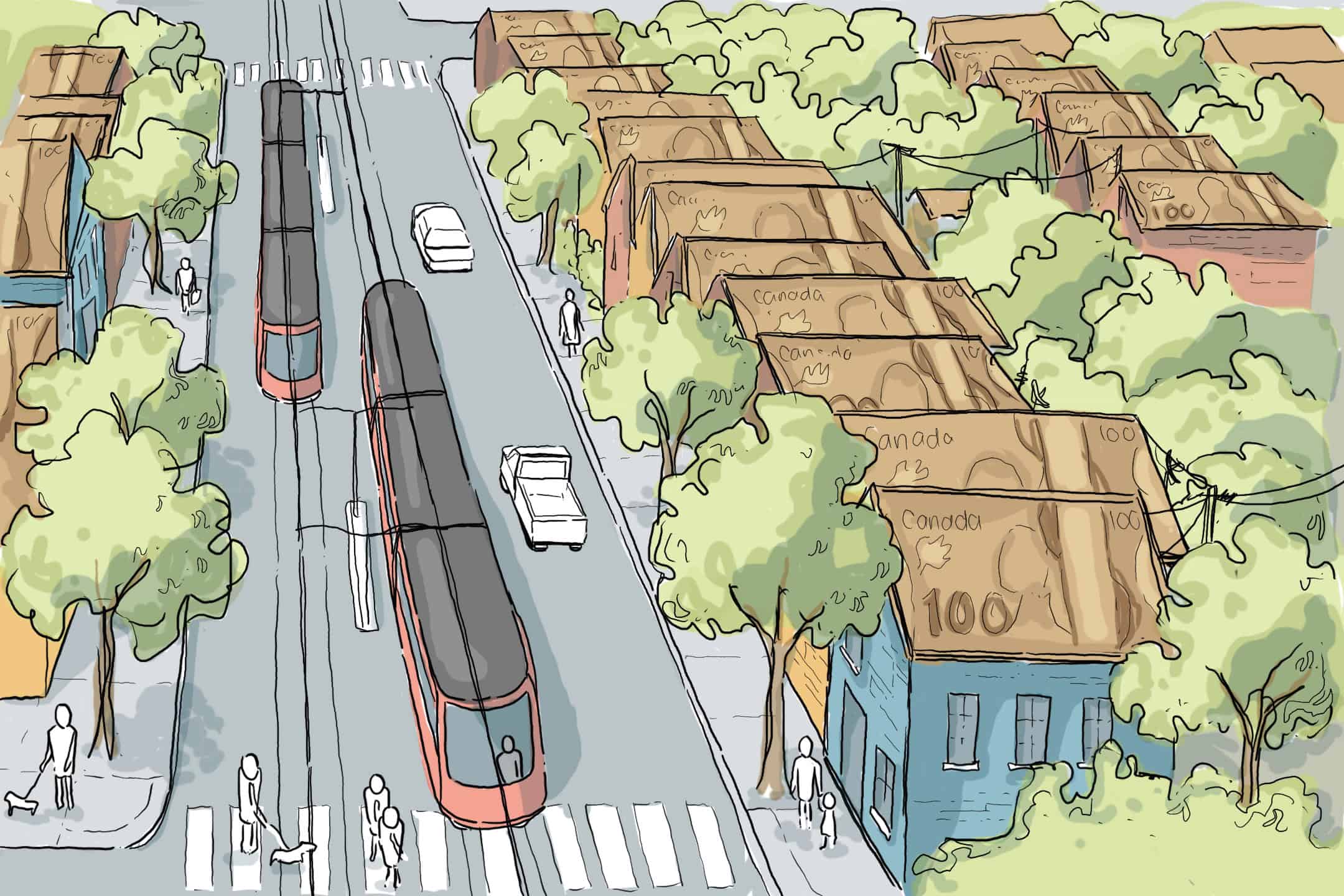
Toronto’s 2026 budget was unveiled on January 8, with City Hall framing it as a response to affordability challenges. Recent data shows that there is a large disparity between minimum wage and how much workers need to earn to live comfortably in Toronto. The council believes the budget is a means to sustain essential services in the face of inflation, rising population, and financial limitations.
As the City Council prepares to debate the budget on February 10, it has sparked a fresh conversation about how its costs and benefits will be shared among Toronto’s residents.
According to the Toronto Star, the proposed budget includes close to $19 billion in operating expenditures — the day-to-day costs of running the City, such as transit, policing, shelters, libraries, and staff salaries — marking a slight rise compared to the previous year. The budget features changes to property taxes and additional funding for the TTC.
Property taxes and affordability pressures
A key aspect of the budget is a proposed property tax hike — a fee homeowners pay to the City based on the value of their property. The budget includes a 0.7 per cent rise, which officials say will help “protect critical services.”
This year’s hike is noticeably lower than property tax increases in previous years. This may be due to the City observing revenue gains from areas like higher taxes on luxury home sales. Consequently, the government has less need for revenue from the taxes it levies on regular properties.
However, while an increased property tax may only directly affect homeowners, renters could feel the impact indirectly if landlords respond by raising rents to make up for the higher costs they face when owning a property.
TTC funding and fare stability
One of the standout areas of the 2026 budget is transit funding. The budget proposes a 1.5 per cent increase to the City Building Fund levy, an additional component of property taxes that helps fund transit and housing in Toronto. This will help support initiatives to improve transit operations in Toronto.
For example, the City is set to approve the TTC’s three billion dollar operating budget request, which includes a $93.8 million increase in City funding to support day-to-day TTC operations. Last year, the TTC purchased 55 additional subway cars to improve reliability and added 500,000 service hours to its schedule.
This year, City officials say the increased funding will enable a third straight year without increased TTC fares. It will also help launch a new fare-capping program later this year — the City states that this will help provide “2.1 million net new free rides.”
For students, the budget’s transit measures could have some of the most direct effects. Many post-secondary students depend on public transit to get to school and work, so stable fares and dependable service are especially important for their affordability.
However, since the budget does not include new transit discounts specifically for students, any affordability improvements are mostly linked to maintaining current service levels rather than offering direct financial support to students.
Shelters and social services
The 2026 budget signals a change in how housing and shelter funds are allocated. While there are plans to increase long-term shelter capacity, the operating budget for shelter services is set to decrease, largely due to the closure of temporary shelter hotels and a reduction in demand from refugee claimants.
Meanwhile, the shelter system remains under significant strain, with hundreds of people being turned away each night. Some officials have raised concerns that cutting short-term funding could further stress these services, especially as the City intensifies actions to clear encampments.
The budget stops short of significantly increasing the supply of affordable housing in the near future. Consequently, students facing Toronto’s competitive rental market are unlikely to experience immediate relief, even as the budget aims to address broader affordability concerns. City documents show that while the HousingTO plan continues to guide new affordable and rent-controlled homes, the pace of actual construction and delivery remains constrained, not dramatically boosting supply right away.
Schools and camps are also the recipients of new investments — the city is expanding its nutrition and food programs in these locations to help children get access to more affordable nutrition.
A broader fiscal reset
City officials portrayed the 2026 budget as a step toward more stable and predictable funding, moving away from reliance on temporary solutions. Cost-control measures like a hiring freeze for non-essential roles are aimed at managing expenses, while safeguarding core front-line services.
As the council prepares to debate the budget in the weeks ahead, students and young adults will be paying close attention. Although the proposal aims to safeguard essential services and keep costs manageable, it also highlights the challenging compromises required to tackle affordability issues in Canada’s largest city. It remains to be seen whether the budget will truly relieve financial pressures or merely shift them around.

No comments to display.