
The days are warmer, exams are over, and many of us now flock to Toronto’s public parks to enjoy the golden stretch of summer. From small community playgrounds to Centre Island, the City of Toronto’s Parks & Recreation department manages the city’s natural spaces, including more than 1,500 parks.
Unfortunately, growing traffic has stretched the department thin. While Parks & Recreation has made substantial promises to improve infrastructure, it’s working with a shoestring budget. To keep pace with rising demands and financial pressures, the department’s budget increased by 13 per cent between 2024 and 2025.
Increasing demand from COVID–19 and City growth
The Parks & Recreation department is constantly growing. Last year alone, it managed over 160,000 public bookings and employed more than 5,400 Torontonians.
To accommodate City growth, the Parks department plans to open Biidaasige Park by the waterfront, add basketball courts to existing parks, and build two new recreation centres — one along Rouge River and another on East Bayfront.
Increasing demand is a major driver of this growth, partially stemming from COVID–19. “A lot of us have seen an uptick in both our membership and usage of our programming [since the pandemic],” said Zunaid Khan in an interview with The Varsity.
Khan serves on the Past President and Nominations Committee and is the former president of the Toronto Field Naturalists, a non-profit nature conservation organization. He attributes the rise in park usage to the mental health benefits of spending time in green spaces and the decline in foreign travel during pandemic restrictions.
Some of this demand also comes from newly built neighbourhoods. During the unveiling of the City’s 2025 budget, Committee Chair Shelley Caroll said, “[The parks’ services] are affected by growth. You have to keep growing that service if you’re building yet another neighbourhood.” She emphasized, “If you’re putting another building with 400 units on the ground, those people need opportunities as well to… recreate and to [enjoy] a [high] quality of life.”
Precarious plans for the future
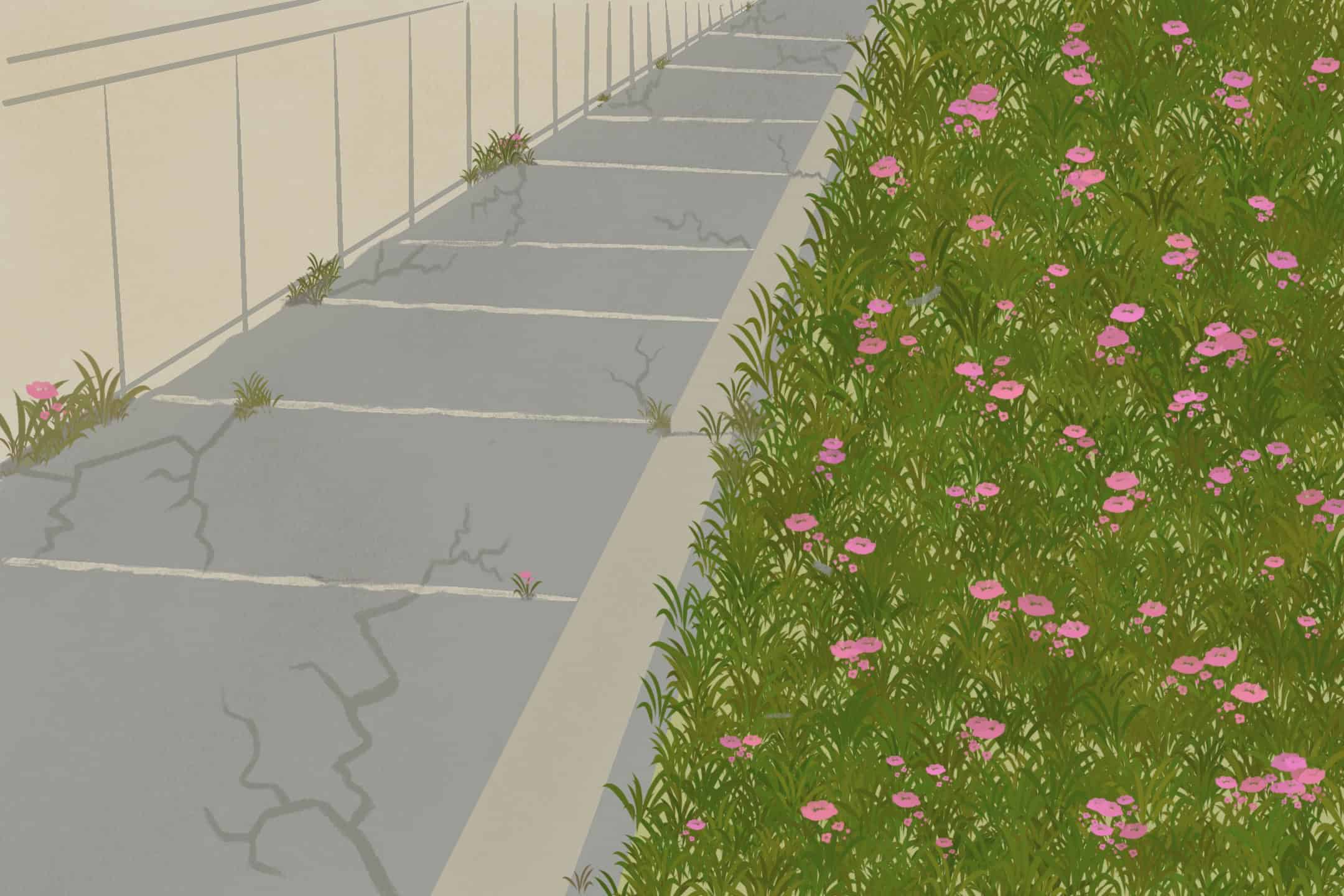
Unfortunately, the city’s parks have failed to keep pace with this demand. According to Khan, infrastructure is deteriorating due to the increase in park visitors. He said, “You see increased traffic off the primary [walking] paths, which is negatively impacting both wildlife and existing greens.” He emphasized that parks need infrastructure improvements to better handle the higher demand.
Tree canopy cover — the proportion of the ground shaded by tree leaves — is another area where the Parks department is falling behind. Urban Forestry, a department program responsible for tree maintenance and protection, pledged in December 2021 that 40 per cent of Toronto’s land area will be covered by tree canopies by 2050.
Achieving this goal requires 12 per cent increase in tree canopy cover over the next 15 years, up from the current 28 per cent. The department plans to support this by allocating part of its budget to planting approximately 120,000 trees and shrubs annually.
This seems to be a lofty goal, according to a 2018 study published jointly by the City of Toronto and U of T. Over the previous decade, the tree canopy cover grew by less than two per cent. In fact, the study observed that tree cover growth levelled off and declined between 2014 and 2018, falling from 29.1 per cent to 28.4 per cent.
The department has plans to improve existing park services, including keeping public washrooms open year-round, providing no-fee permit options for park spaces, and enhancing Wi-Fi connectivity in 23 of the most decrepit community centres.
The department has also planned a $400 million investment over the next 10 years to address deteriorating infrastructure, including shattered mirrors in public washrooms and splintered playground equipment.
However, the backlog of maintenance needs is expected to more than double over the next decade. Without approximately a billion dollars for upkeep, the department predicts park closures and significant deterioration of critical infrastructure, which could threaten its ability to remain operational.
Facilitating our sunny days in green spaces is clearly not without its challenges for the Parks & Recreation department. So next time you grab a strawberry matcha latte to enjoy at Trinity Bellwoods Park, take a moment to appreciate the infrastructure beneath your feet.

No comments to display.