
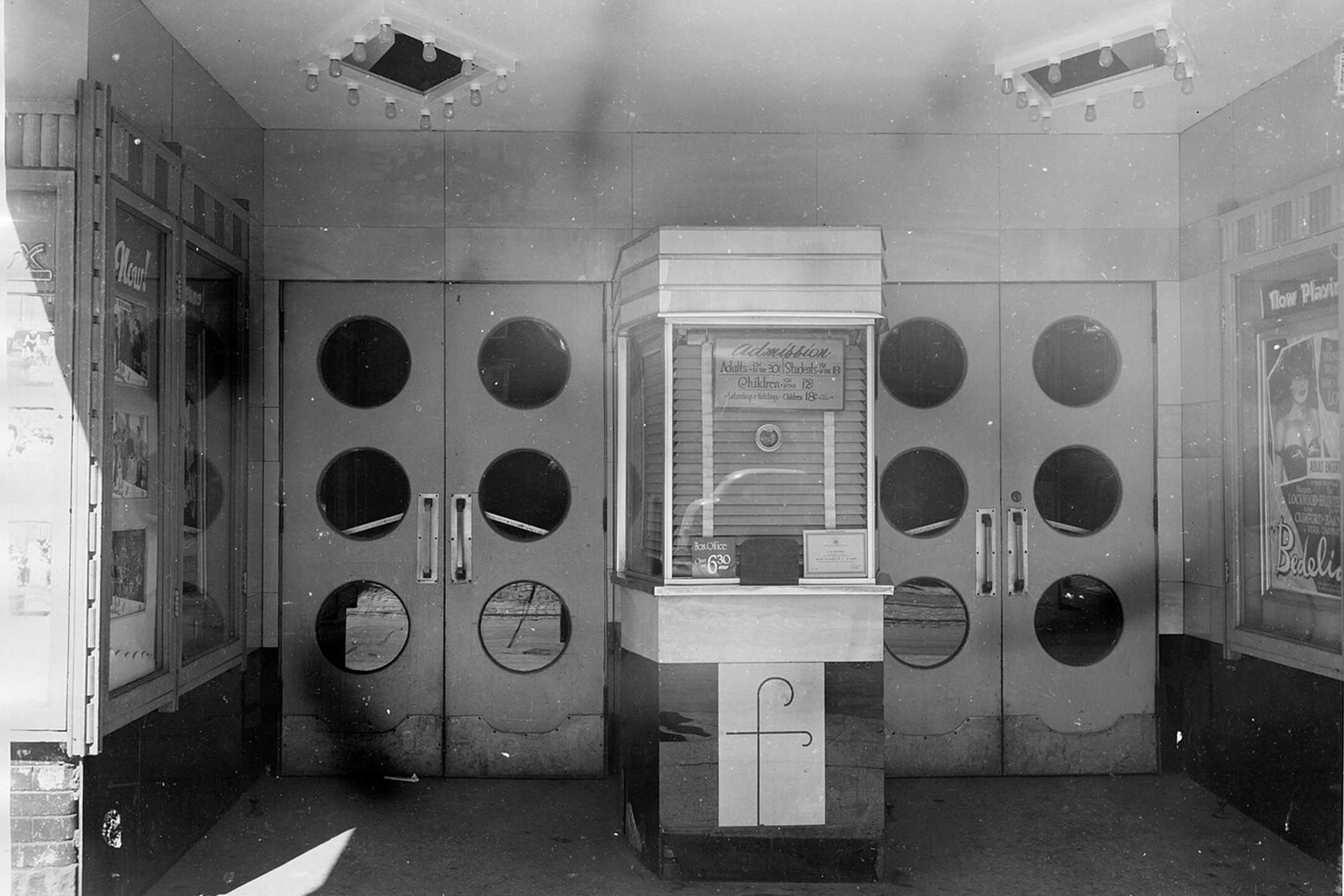
On May 22, the historic Fox Theatre — the city’s oldest continuously operating cinema — hosted the first ever Toronto Horror Film Festival (THFF). Featuring 14 short films from various countries and genres, hot popcorn from the theatre’s retro-style machine, and an excited crowd, the inaugural event delivered on its promise: bold, unique, and unconventional horror.
The nitty gritty: festival details, logistics, and awards
Sponsored by Sellers & Newel Second-Hand Books and entirely volunteer-run, the event was free for all attendees. The festival saw a full house for its debut, a success that emboldened THFF founder and director Kyle Lacroix’s goal to keep the event free forever.
THFF aims to create an inclusive space where everyone — seasoned filmmakers, eager film students, die-hard fans, or total newcomers — can connect over a love or interest for the genre.
“By keeping overhead revenue low and prioritizing community over revenue, we’re able to maintain a high-quality experience without charging,” Lacroix explained in an email to The Varsity. “It’s a model built on passion, not profit, and that’s how we intend to keep it.”
Entering the historic independent theatre, it’s instantly clear why the venue was chosen. The small space allowed each film’s eerie and unique soundscape to echo off the walls, encapsulating the viewer in a fine-tuned experience that could easily shock and terrify.
Every decision at the festival — what to screen, when to screen it, and how to celebrate it — was made by people who love the genre. According to Lacroix, a small panel of horror filmmakers and fans judged and awarded the films. This resulted in a lineup spanning the full spectrum of what the genre has to offer, from less classically scary entries like Jester and Backmask, to campy, vampy, and Lovecraftian classics like Carter. The festival was replete with everything old-school horror, including Victorian frills, an ominous portal to the underworld, purple haze, and the classic stone angel.
In addition to traditional titles like “best actor/actress” — Scream Queen Claudia Trujillo (The Stranded) and Scream King David Shields (Backmask) — awards were distributed for unique categories within the horror genre, such as “Twisted Smile” for the funniest film — won by director Dave Thorpe’s Scam — or “Blood and Guts” for best gore and makeup — won by director Raúl Muñoz’s The Itch.
The future of horror is indie
Something Lacroix emphasised as his team’s inspiration for choosing to screen independent films is their storytelling techniques. “We’re seeing more experimental approaches, blending genres, using unconventional narratives, and pushing boundaries in ways big studios might not take risks on.”
Lacroix cited the recent mainstream success of indie horror films like Terrifier (2016) and The Twisted Childhood Universe (2023) franchise as showing that audiences crave to be shocked by the “extreme, the bizarre, and the unique,” crossing boundaries larger studios can’t always risk breaking. But the success of THFF’s experimental and genre-bending entries has proven that, not only are independent filmmakers more than willing to take the leap, but that their creative risks resonate with the audience.
Scam is a perfect example of this. As the main and only character engages in a creepy soliloquy, the audience becomes party to his downward spiral as he gets scam call after scam call — until he starts to treat it like a confessional. The simple cinematography and one-person cast stand out as bold choices in an often over-the-top genre, taking the audience on a rollercoaster from laughing to shuddering in under 10 minutes.
Another unique film that had me on the edge of my seat is The Itch. Will, the main character, awakes to find himself trapped in a strange house, and pleads with the audience through surveillance cameras to save him. With a run time of just under 18 minutes, the film follows his descent into madness as he succumbs to a mysterious illness designed by himself and his team, decomposing more and more each day. A chilling tale, the film explores the importance of ethics in medical testing and the implications for human life when the rules are broken.
The Itch deservedly took the festival’s audience pick award, called Reaper’s Choice — named in memory of Lacroix’s beloved dog Reaper. Its haunting pace and oozing, blood-curdling special effects contributed to an atmosphere so tense it was palpable. The film’s win truly speaks to what the festival stands for — horror fans are the heart of the genre.
THFF take two: what’s next
Lacroix and his team hope to continue showcasing bold and diverse horror films. The festival strives to make a meaningful impact on the Toronto community by, in Lacroix’s words, “building a creative community that supports and celebrates the genre’s unique ability to explore fears, push boundaries, and bring people together.”
Looking forward, THFF hopes to expand their reach by including pre-festival panel discussions or workshops to create a space where horror enthusiasts can connect and inspire each other.
The festival’s next showing will be from November 5–6, with the crew accepting film submissions on their website already. In the meantime, their Instagram is the best place to stay up-to-date on THFF’s future screenings, filmmaker submission details, and volunteer opportunities.
THFF is not only a celebration of horror, but a new cornerstone in the city’s art scene. As a confluence for indie film fans, horror connoisseurs, and movie enthusiasts alike, it’s sure to become a classic haunt in Toronto.

No comments to display.