
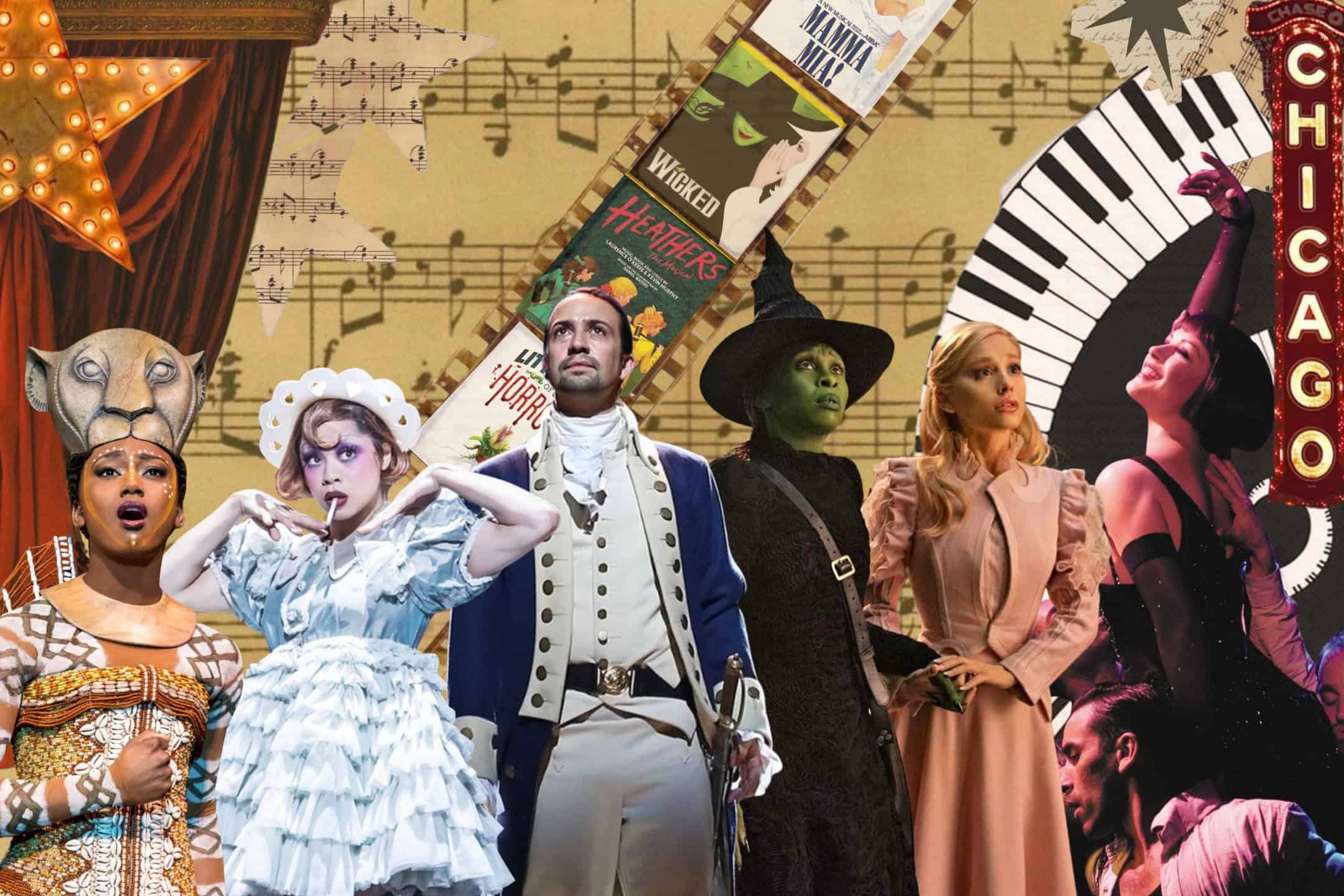
In 2026, musical theatre is no longer confined to Broadway marquees or elite theatre districts. The genre as a whole has experienced a large surge in mainstream popularity, largely due to film adaptations and social media trends bringing show tunes to the forefront of pop culture. From Oscar-nominated movies to viral TikTok audios, theatre is reaching audiences who may have never found a love for it otherwise.
Theatrical releases
The release of the Wicked film adaptations played a huge role in bringing musical theatre to contemporary audiences. Finally, fans who loved Wicked on Broadway no longer had to watch grainy, low-quality ‘slime tutorials’ on YouTube to see their favourite show or travel to major cities and pay exorbitant ticket prices.
While movie musicals are nothing new, Wicked’s debut on the silver screen gave rise to a huge online fandom, brand collaborations, and various viral trends. The film allowed people to experience the magic of theatre in a more familiar, approachable setting.
Precious Enitilo, a UTSC student involved in the Drama Society, wrote to The Varsity that bringing musicals to mainstream audiences has been effective in the past. “Similar to what we saw with Mamma Mia and The Sound of Music, bringing musicals into cinemas makes them far more accessible to the general public,” she said. “When people can experience musical theatre outside of traditional theatre spaces, it removes a lot of the intimidation and opens the door for new audiences to fall in love with the art form.”
Watching a musical in a movie theatre or from the comfort of their own home allows audiences to engage with the performances without worrying about ticket prices, dress codes, or unfamiliar theatre etiquette — factors that can make stage shows feel daunting to newcomers.
Online trends
Alongside movies, social media has become a powerful influence in shaping the popularity of musical theatre. Very few productions demonstrate this better than Hamilton. Over a decade after its debut, the musical remains a pillar of pop culture, particularly on TikTok, where popular audios, performances, and fan-made content introduce the show’s music to millions of people.
Enitilo wrote that many people recognize songs from Hamilton long before they ever become true theatre fans. This wide-reaching digital presence has transformed the show into a cultural cornerstone that reaches audiences far beyond the Richard Rodgers Theatre.
Hamilton functions as an accessible introduction to theatre; the lyrics are catchy, the music is upbeat, and it remains comedic while depicting a convoluted part of American history. Its unique blend of storytelling, choreography, music, and technical design highlights the many components that come together to create a single production. For new audiences, Hamilton demonstrates the collaborative nature of theatre: that each component of a production matters.
Getting involved
Engagement with theatre does not have to end with watching a film adaptation or hearing a short audio clip that’s trending online. University productions allow audiences to experience storytelling in a shared, local space. By attending or participating in amateur performances, individuals can engage with theatre as active members of a welcoming community space.
The transition from fandom to involvement is visible within university theatre spaces. At the UTSC Drama Society, students have the opportunity to move beyond consuming theatre as a fan to creating productions themselves. For Enitilo, campus theatre mirrors the same sense of community that draws audiences to online fandoms.
When asked about her favourite part of Drama Society, Enitilo wrote, “the people, without a doubt.” She continued, “they bring so much joy, passion, and support — not just to the team, but to the entire theatre community at UTSC.” Much like the online fandoms built around shows such as Hamilton or Wicked, the Drama Society creates an environment for students full of shared enthusiasm and collaboration.
Enitilo noted that campus theatre also plays an important role in welcoming students who have only participated in theatre through film or social media. The Drama Society “creates opportunities for those who may be new or unfamiliar with the theatre scene, giving them spaces to lean, grow, and build confidence.” In this way, university theatre acts as a bridge between online support for musicals and hands-on engagement.
As musicals continue to dominate the box office, social media, and university theatres, it is clear that this resurgence of popularity is not a microtrend.

No comments to display.