
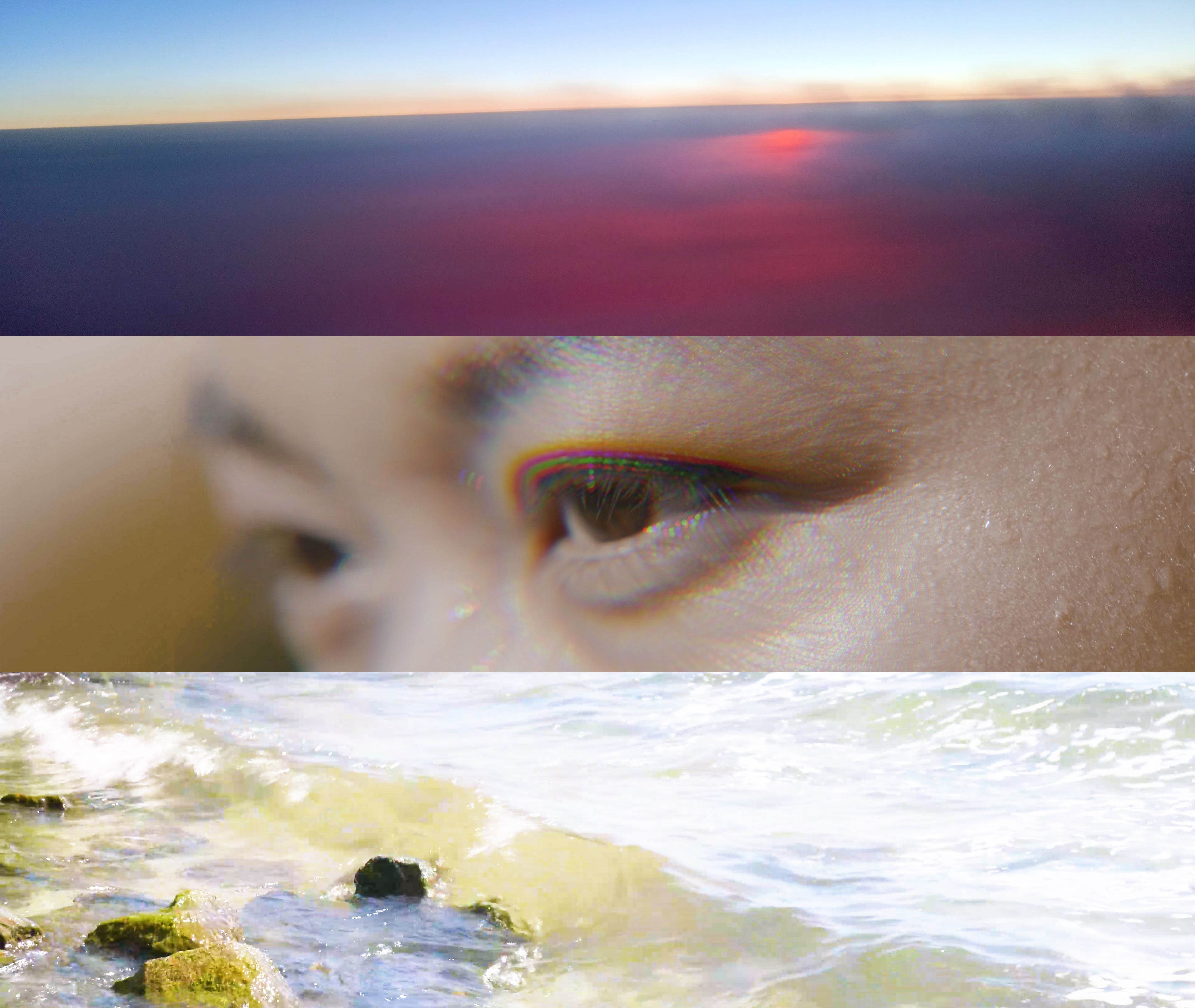
Dwelling Under Distant Suns, an exhibition curated by Yantong Li as part of the Master of Visual Studies (MVS) degree’s requirement at the John H. Daniels Faculty of Architecture, Landscape, and Design, is currently available for viewing at the Justina M. Barnicke Gallery at U of T’s Art Museum.
Exhibition dates are from September 4 to December 20. The exhibition is also supported by the Jackman Humanities Program as part of its 2025–2026 theme: Dystopia and Trust.
I’m a museum enthusiast and have visited the Art Museum many times. However, despite my frequent visits to museums and galleries, I have never had the opportunity to learn from the curator’s perspective.
I had the honour of interviewing Li, someone who is extremely passionate about his work and utilizing different formats of media to voice his beliefs. Upon entering the museum, I could hear different audio tracks overlapping each other and see an area on the left, lit solely by a curved screen in front of a bench for the audience to sit on.
The exhibition, Dwelling Under Distant Suns, is assembled through the struggle of depicting an increasingly dangerous environmental landscape. The exhibition showcases different methods of speculation and myth-making through motion pictures, highlighting various topics surrounding water, heat, agricultural lands and human interactions. It also encapsulates the geopolitical and environmental past, present and future.
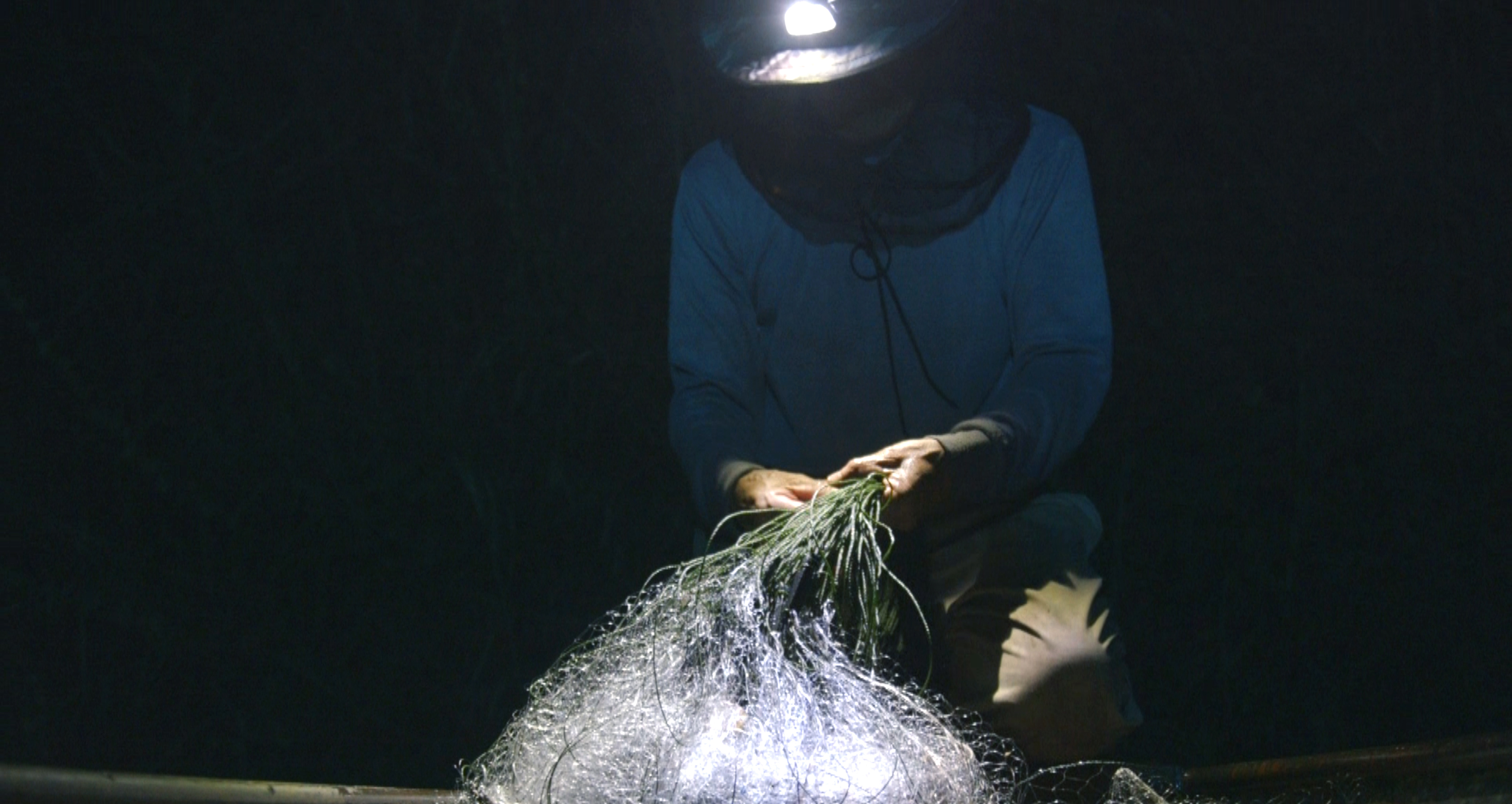
Li’s exhibition showcases works from Alvin Luong’s newly commissioned film, Cyanide Debt (2025), and his previous works, Endowment (2024) and Amortization (2024). The exhibition also features Solveig Qu Suess’s double-channel video Holding Rivers, Becoming Mountains (2025), Kent Chan’s Future Tropics (2023–2024), Solar Orders (2024), and many more.
Following my brief tour of the exhibition, I spoke with Li about himself, the story behind the exhibition, and what he hoped the audience would take away from their visit.
The Varsity: Could you please tell us a little about yourself? Why did you decide to pursue a Master of Visual Studies in Curatorial Studies at U of T?
Yantong Li: I came from an arts background. I was actually in the curatorial stratosphere prior to coming to Toronto and to the MVS program. One of the main reasons I pursued this program is that I am quite new to Toronto and Canada in general. Because of my prior experience in the studio and curatorial stuff for several years, I really wanted to know more about the preferred methodologies and strategies that go into professional curatorial work.
TV: What is the story behind the exhibition?
YL: Although this exhibition came from a conversation I had with Solveig, another driving force was a trip I had back to my hometown, Dali, two years ago in Yunnan. I couldn’t see the snow on the peaks of the Cangshan mountains, which had always been there.
This exhibition, in some ways, is really close to home. It was also born out of my observations of different phenomena that often feel disconnected from daily media outlets. They’re very much the everyday condition of these spaces.
The root question that Solveig discusses in her video is when these issues occur across a very deep, temporal scale and also across physical distances, what are some of the means to represent them when everything we see nowadays in the media is basically just immediate images of catastrophe? We are documenting catastrophes the moment they happen, but not when they are in the process of happening.
TV: What inspired the name of the exhibition?
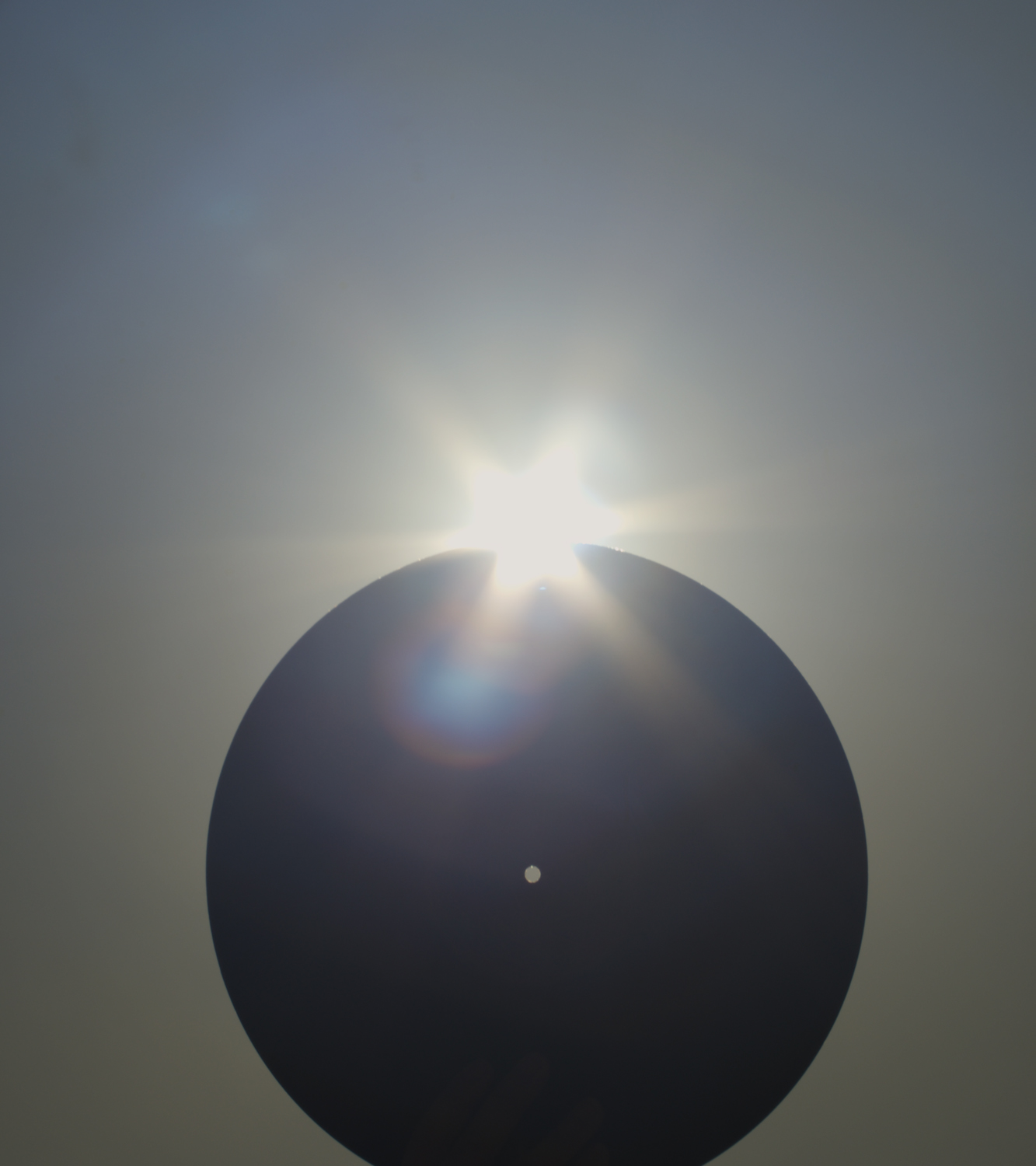
YL: The name was gathered from a chapter in Andrew Alan Johnson’s book called Mekong Dreaming. I was reading the book while I was starting research leading up to this project, and there’s a chapter called Dwelling Under Distant Suns, and I was really fascinated by why he used the plural “suns” and not the singular “sun.” It was a way to introduce different subjectivities, even though we are living under different unified systems of governance.
I was also really fascinated by what it means to dwell because dwelling is a verb and not a passive state of living. To dwell means making constant connections, and artists are always making meaningful connections with their subjects of research, and using that as a point of departure into the suns, or multiple unified forms of governance. So when I found the title when I initially read it, I was like, “Yeah, it perfectly encapsulates what I’m thinking.”
TV: What was the process for selecting the pieces on display?
YL: I was really interested in durational representations — films, videos, et cetera — because I don’t want to go easy on the audience, to just tell you what the artists are talking about, because I feel like that’s really irresponsible to their research and the subject of the research. If I simply introduce pictures and some sort of statement underneath, that’s it. That’s the only thing that the audience can take away from the picture, and the story behind it.
In the current media scape, you’re already seeing images of violence that are directly in your face without explanations on why and how they occur, and the different forces that come into play to shape that very moment. So, they are a work of time, pieces that took lots of time to create, and you must be able to have time on your hands to actually engage with and understand these works.
TV: What were some emotions you felt while curating this exhibition? It may feel like a lot to the audience, given the sheer amount of information.
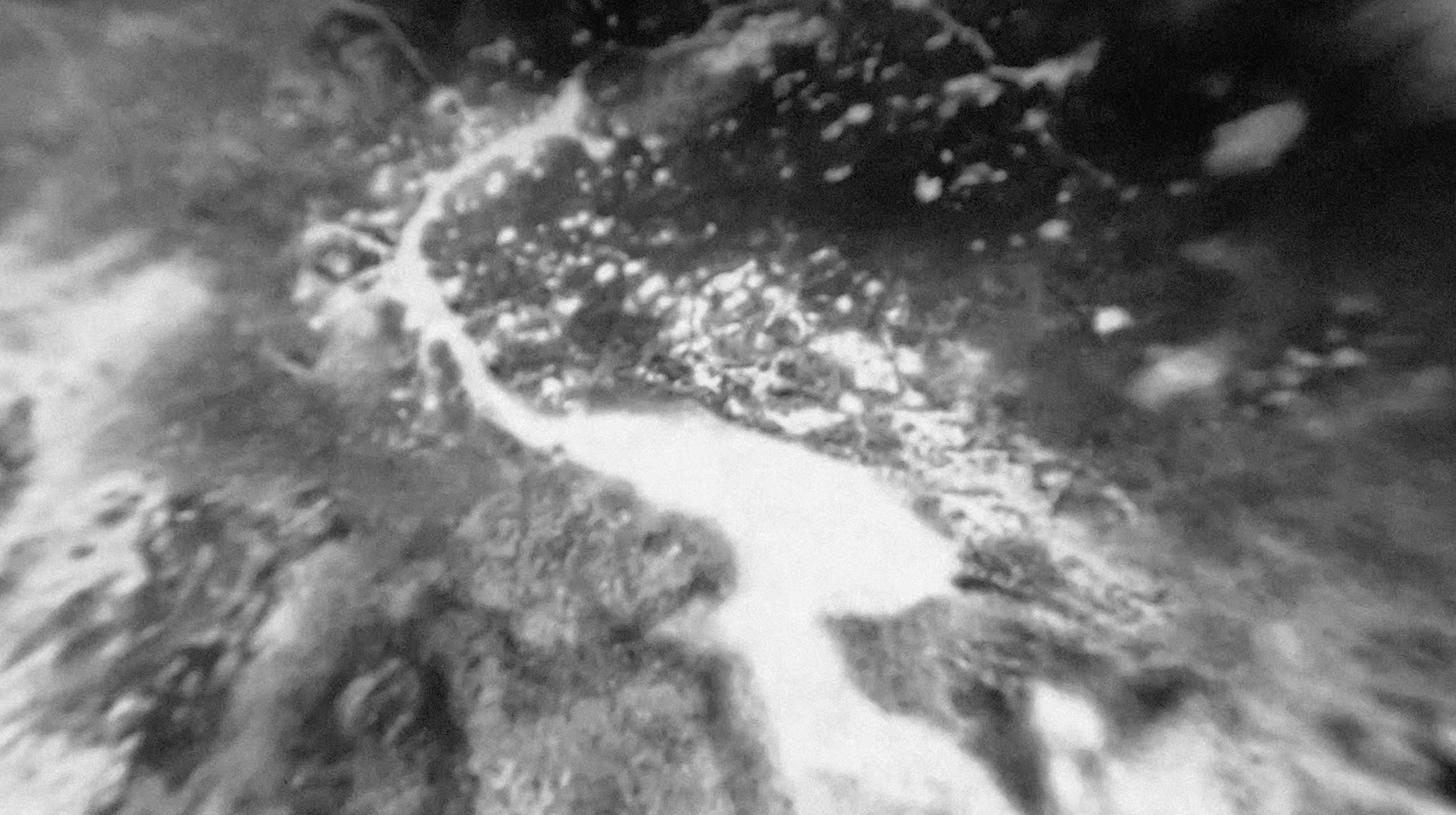
YL: I feel the same way. It’s because the research for this exhibition is so rich and so potent. Like, I don’t know how many times I watched Solveig’s film, Holding Rivers, Becoming Mountains, just to write down different things. But every time I rewatch it, I find things that I didn’t notice, because every cut and every sequence has its own inherent meaning in a sense. Solvieg doesn’t tell you anything; it’s very elusive, and you have to read into it and actually unpack.
However, that is not my wish, for the audience to unpack everything, because I am not able to unpack everything, and there are so many little things that go into this research.
TV: What should be the main takeaway from this exhibition?
YL: What I want the audience to take away is that I don’t think the environmental, social and cultural issues presented in the exhibition only belong to a certain geography; it’s a worldwide issue.
For example, the parties that participated in the survey of the Mekong River — to document the ecological challenges it faces due to large-scale development projects — during the development of the hydroelectric dams actually perpetuated the construction of dams, surveys of dams, and hydroelectric development.
The same group also used the hydroelectric development on the Niagara Falls as an example for the Mekong River. So, if you were to really look into how these governmental, developmental, and hydroelectric forces interweave with each other, it becomes something that very much bleeds across geography.
For audiences that come in, I really wish that each audience member could sit and really engage and depict the different threads that all the pieces at the exhibition are trying to push out and find their own entry ways into the pieces as well. All of the works require lengthy sitting time, so you probably will need to come a few times to actually unpack everything they are discussing. However, that is not my wish, for the audience to unpack everything, because I am not able to do that, and there are so many little things that go into this research.
This interview has been edited for length and clarity.


No comments to display.