

On the morning of October 19, two people disguised as construction workers snuck into the Galerie d’Apollon of the Louvre in Paris, and made their way out with several pieces of the French Crown Jewels, all in under eight minutes. The heist left many people in a state of simultaneous shock and awe — how could the most widely visited museum in the world allow what was seemingly such a simple theft?
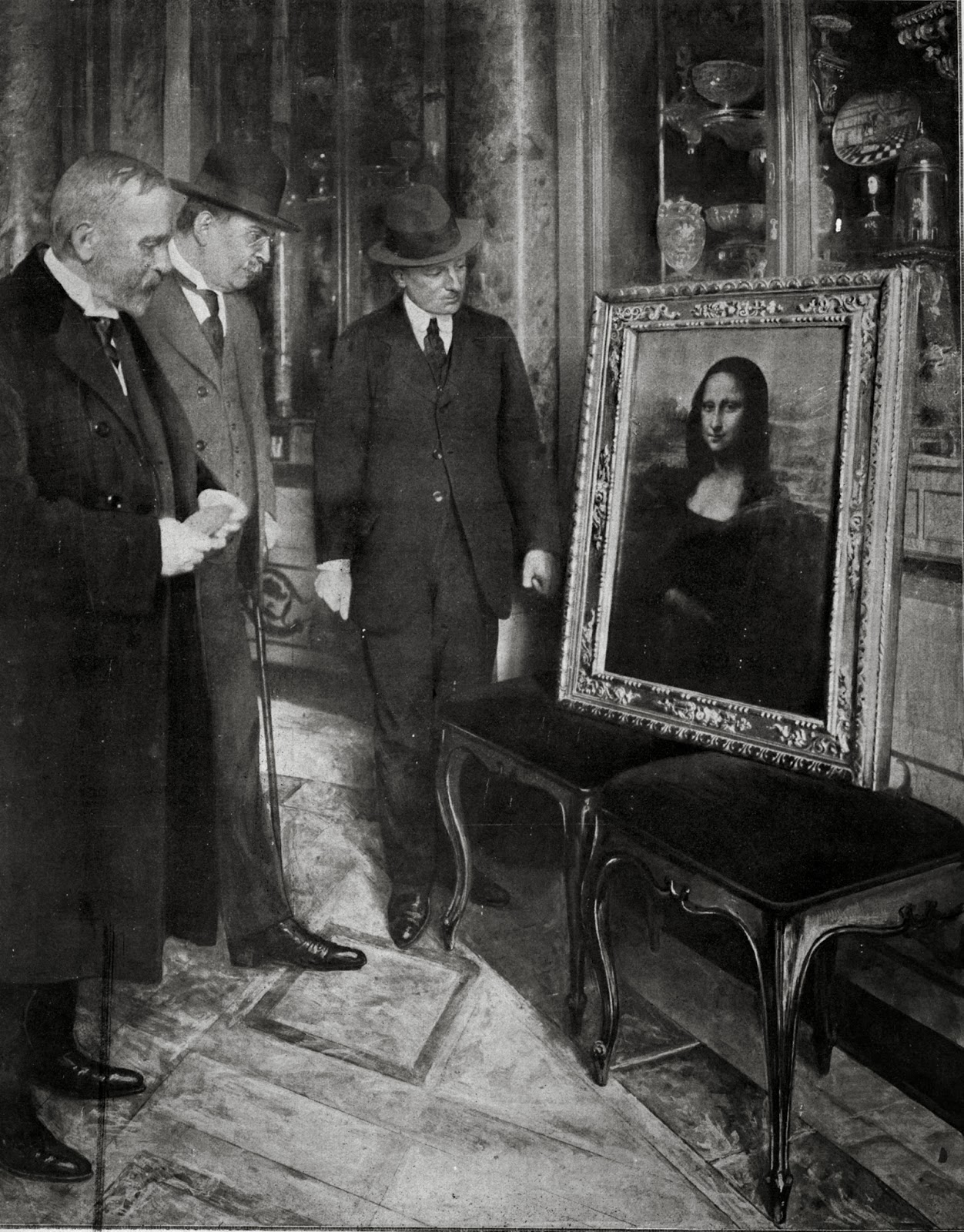
This is hardly the Louvre’s first rodeo with thievery. In 1911, Italian national and former Louvre employee Vincenzo Peruggia stole Leonardo da Vinci’s “Mona Lisa” in what would become one of the most infamous art thefts in history. It was Peruggia’s theft that skyrocketed the otherwise unremarkable painting to world-renowned fame.
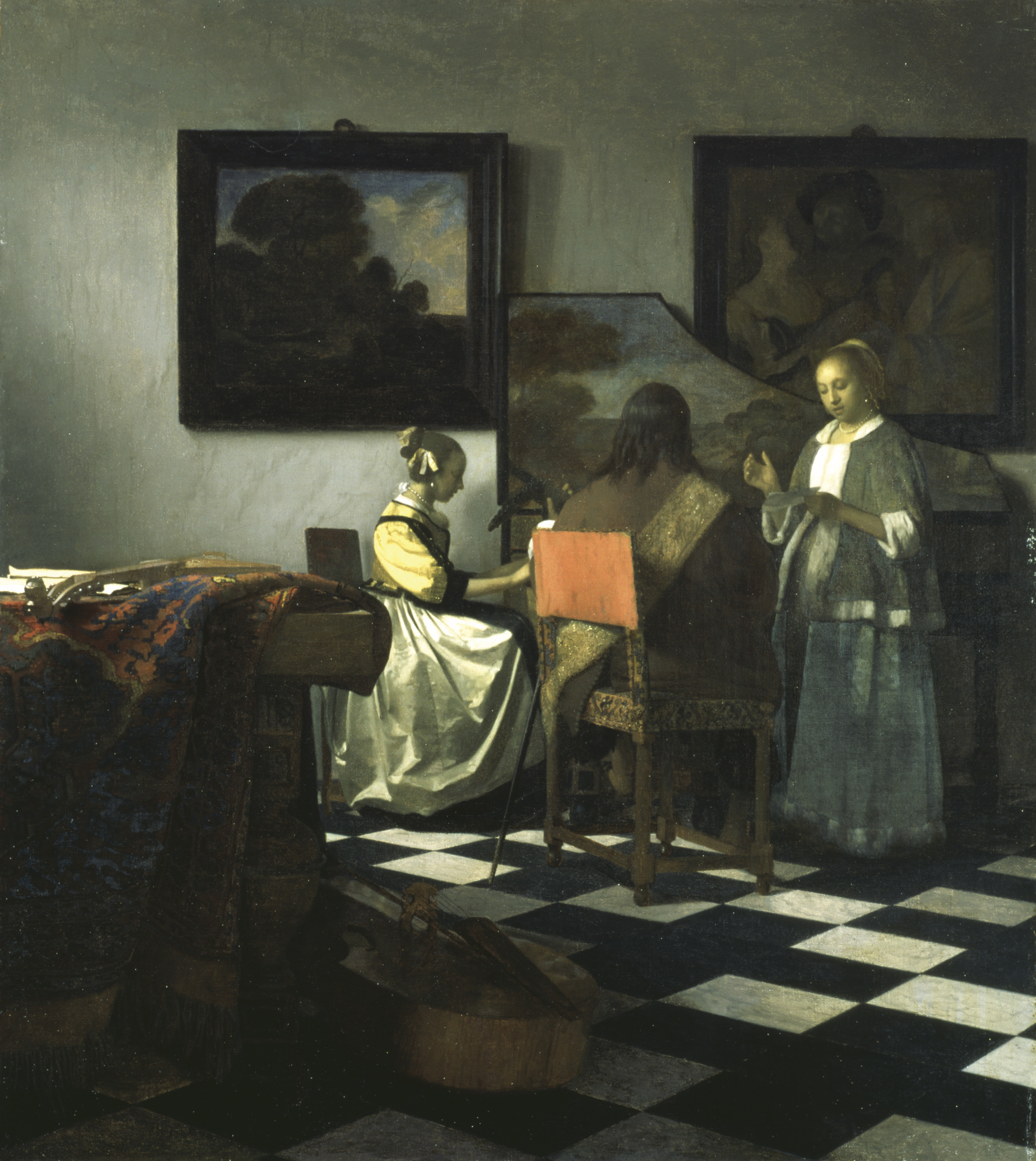
However, arguably one of the most intriguing art heists of all time — and the most successful — is that of the 1990 Isabella Stewart Gardner Museum in Boston. The heist still hits particularly hard for art lovers; to this day, none of the 13 stolen works — including the rare paintings of Dutch Baroque masters Rembrandt and Vermeer — have been recovered.

Why people steal art
In each of these cases, some questions arise: why do people steal art? What happens to the art they steal?
For one, stealing jewelry — like in the Louvre heist — is quite a bit different from stealing painted masterpieces. If your goal is to make money, then jewels are probably your best and safest bet.
Jewels have more material value than paintings, and they can be separated into simpler parts and then sold individually. But when it comes to museum heists, jewelry is statistically the least commonly targeted item, making this quite a unique theft for the Louvre. Why, then, do people so often bother stealing artwork if it’s harder to sell?
Perhaps they do not grasp the sheer risk associated with selling stolen artwork before they go through with their theft; stealing one-of-a-kind items warrants closer attention from the law enforcement agencies tasked with getting them back, making it nearly impossible to sell them without getting caught.
In some instances, however, financial gain is not the primary motivation for art theft. When the “Mona Lisa” was recovered, for example, it was revealed that Peruggia believed the work should be returned to its native Italy, and tried selling the portrait to the Uffizi Gallery in Florence — in spite of the fact that Leonardo himself had sold it to the King of France in the early sixteenth century.
History is riddled with instances of ideologically motivated art theft and desecration. The looting of artwork during World War II was a significant part of the Nazis’ aggressive censorship campaign. When the Nazi regime openly classified Modernist and Jewish-owned artworks as ‘degenerate’ and launched widespread plundering across Germany and its occupied territories, this included France, which made the Louvre a target.
However, the Louvre had anticipated the looting and managed to evacuate most of the collection beforehand. Though many of the artworks stolen by the Nazis have since been recovered, identifying and returning the work remains an ongoing and arduous process, reflecting a far-reaching consequence of ideologically motivated attacks on material and visual culture.
A criminological perspective on the Louvre jewel theft
Art theft is often an opportunistic crime, where potential offenders capitalize on an opportunity to commit a crime if the benefits are perceived to far outweigh the risks. This notion is perhaps best captured by a classic criminological framework known as Routine Activities Theory (RAT), which posits that opportunistic crimes are born out of three existing conditions: a motivated offender, a suitable target for the crime, and, perhaps most importantly, a lack of “capable guardians” preventing the crime from taking place.
In the weeks after the recent Louvre theft, an audit that began in 2015 was revealed to have been heavily criticizing the museum’s security infrastructure, calling into question the role that a lack of guardianship may have played in the theft’s success. What remains puzzling, then, is how at least two people were, according to RAT, motivated enough that the Louvre was a suitable target for their crime. It has even been speculated that the heist was an inside job, though the true motivations remain to be discovered.
What art theft means for museums and galleries
The Louvre jewel heist, and the many art thefts that have preceded it, remind us that even the world’s most celebrated cultural institutions can be susceptible to crimes of opportunity. Perhaps this is why we react to them with such fascination and bewilderment: these valuables belong, in a sense, to the curious, visiting eyes of the public, and when the seemingly impenetrable buildings that house them fail, the loss reverberates well beyond museum and gallery walls.
As authorities continue to investigate, the jewels remain missing, and the world’s most prominent museum is forced to face an uncomfortable truth: they are only as secure as their weakest link — and somehow, at least two people knew exactly how weak that was.

No comments to display.