
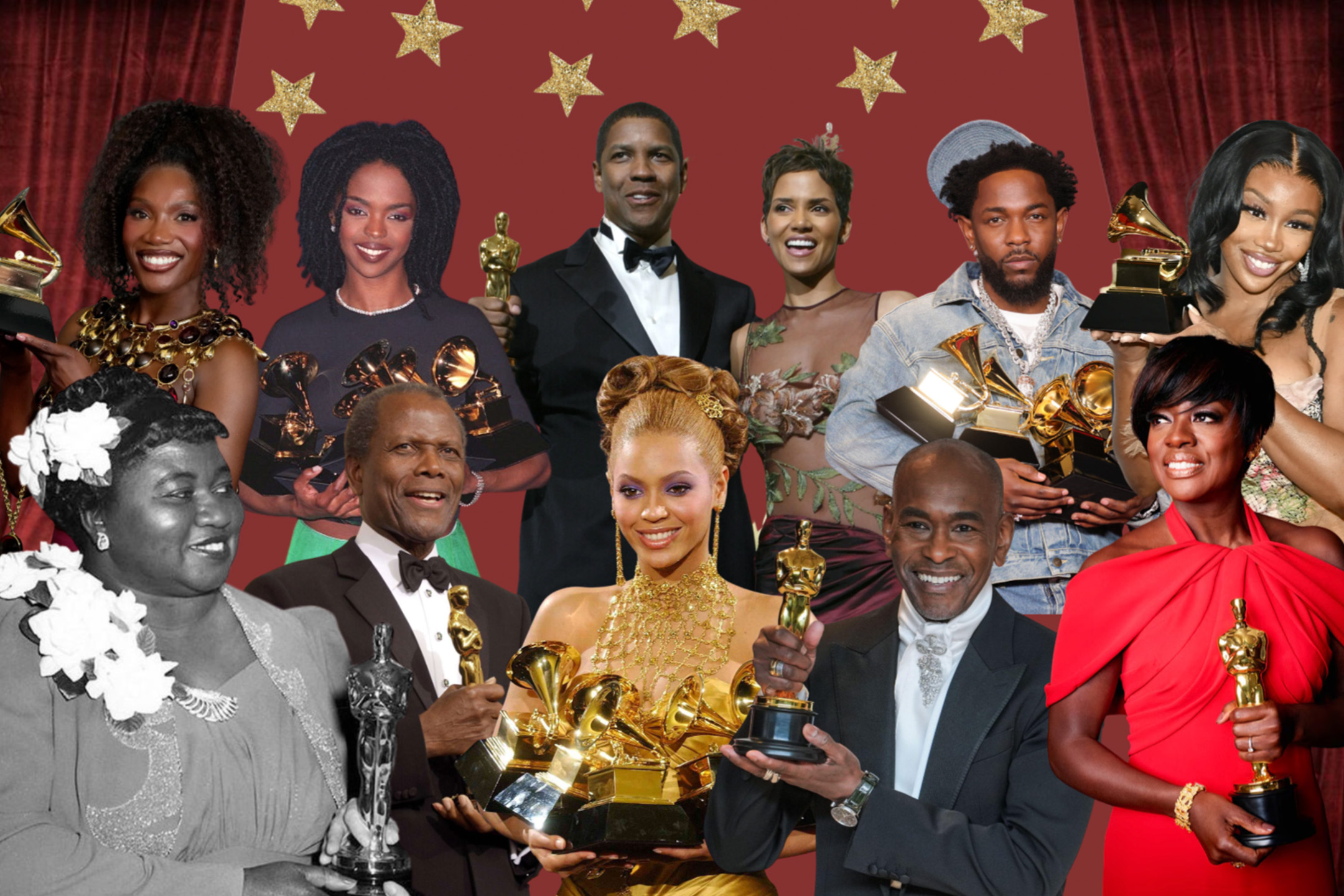
The year is 1940, the night of the 12th annual Academy Awards. The room is electric, buzzing with excitement for who is about to walk the stage next and receive the most prestigious award in cinema. American actress Hattie McDaniel is called to accept her Academy Award for Best Supporting Actress for her role in Gone With The Wind, but she doesn’t have the same invitation to the stage as her academy peers.
She gracefully accepts the award with a beautiful speech from the segregated area at the back of the hotel theatre. Her win, which made her the first-ever African American to win an Oscar, brought hope to Black stars and viewers. McDaniel’s win revealed a truth that would define generations of Black artistic excellence for years to come; we will always shine in spaces that were never designed for us.
It’s now 2026, and Ryan Coogler’s box office hit Sinners has broken the record for the most nominated film in Oscars history, with 16 nominations. This is huge, not only for Black fans of Coogler, but for the way cinematic excellence is being recognized after decades of invalidation. It was Sinners’ historic break that had me reflect on our award show excellence and our invaluable presence in artistic spaces.
In 1964, Sidney Poitier became the first Black man to win an Oscar for Best Actor for his role in Lilies of the Field. Just a year before, Poitier joined the March on Washington, publicly supporting both the Southern Christian Leadership Conference (SCLC) and the Student Nonviolent Coordinating Committee (SNCC). He also notably used his platform as an actor to fund education for African American students through the African American Students Foundation.
The 2002 awards marked another milestone when Halle Berry became the first — and only — Black woman to win Best Actress at the Oscars. In her historic speech, Berry dedicated her award to “every nameless, faceless woman of colour,” acknowledging the countless Black women whose stories haven’t seen the limelight.
On that same night, Denzel Washington took home the award for Best Actor. This was a pairing that feels crucial now more than ever, given that even through increased diversity initiatives, we’ve yet to see another Black duo take home both lead titles.
For decades, Black off-screen representation has been rarely recognized, regardless of the successes within Black executive boards, production, makeup, and costume design teams. Just last year, Paul Tazewell became the first Black man to win the Best Costume Design Oscar for his work in Wicked.
In 2015, American activist April Reign launched the #OscarsSoWhite campaign. This campaign was created in response to the two previous years of strictly white nominations in all four of the main actor categories. This brought light to the way the academy’s largely white membership and structural biases have affected storytelling and recognition of Black stories in the film industry. As a result of the movement, the academy has since tripled its voters of colour, and implemented new diversity standards for Best Picture.
The music industry shares the same spotted histories when it comes to Black representation, even though it’s built on genres born from Black creativity, such as Pop, R&B, Hip-Hop and Rock. After his critically acclaimed album After Hours received zero Grammy nominations in 2021, The Weeknd openly boycotted the awards, stating his decision was based on the “need for inclusion and the lack of transparency of the nomination process and the space that creates and allows favouritism, racism, and networking politics to influence the voting process.” The Grammys have also been known to snub Black artists in major categories, one of the most notable being Beyoncé’s Lemonade losing to Adele’s 25.
Black creativity has flowed through the Recording Academy since its inception. Ella Fitzgerald became the first Black person to win a Grammy in 1959, and since then, Black artists have continued to be present in the categories we see awarded today.
In 2025, Beyoncé took home her first Album of the Year win with Cowboy Carter. The album also took home Country Album of the Year, making Beyoncé the first Black woman to ever win in the category. This year, Kendrick Lamar made history as the most decorated rapper in Grammy history with 27 career Grammy wins, including Best Record, which he was the first to win back-to-back at the 2024 and 2025 Grammys.
At the same time, Black communities have long built our own spaces of celebration that centre Black artists and inclusion, such as the Black Entertainment Television (BET) Awards, the National Association for the Advancement of Colored People (NAACP) Image Awards, and the Soul Train Music Awards. These institutions honour artistry without the burdens of exceptionalism, and are pivotal for archiving and affirming Black cultural production, on our own terms.
However, the message has still remained clear through the repeated snubs and gaps in diversity: nominating creatives for awards does not compensate for systemic imbalance. Adequate representation is only possible when Black creative power is behind the curtain, too. This means Black producers greenlighting films, Black executives funding projects, and award shows becoming a platform for Black creatives to bridge activism with artistry. After all, award shows are some of the biggest stages in the world.
Supporting art made by Black artists is culturally imperative because art is a mode of cultural preservation and resilience. Viewership, sponsorship, and funding help these projects grow. Investing our attention in Black-led projects, historically Black theatres, and Black community arts programs ensures that our excellence is sustained between the headline-making wins.
In reckoning with award show history and Black representation, it’s important to recognize the significance of these wins and celebrate them loudly. In celebrating, we have a responsibility to remember that our wins are not defined by any singular institution. They stem from thousands of years of Black creativity and ingenuity, which continues to flourish.

No comments to display.