
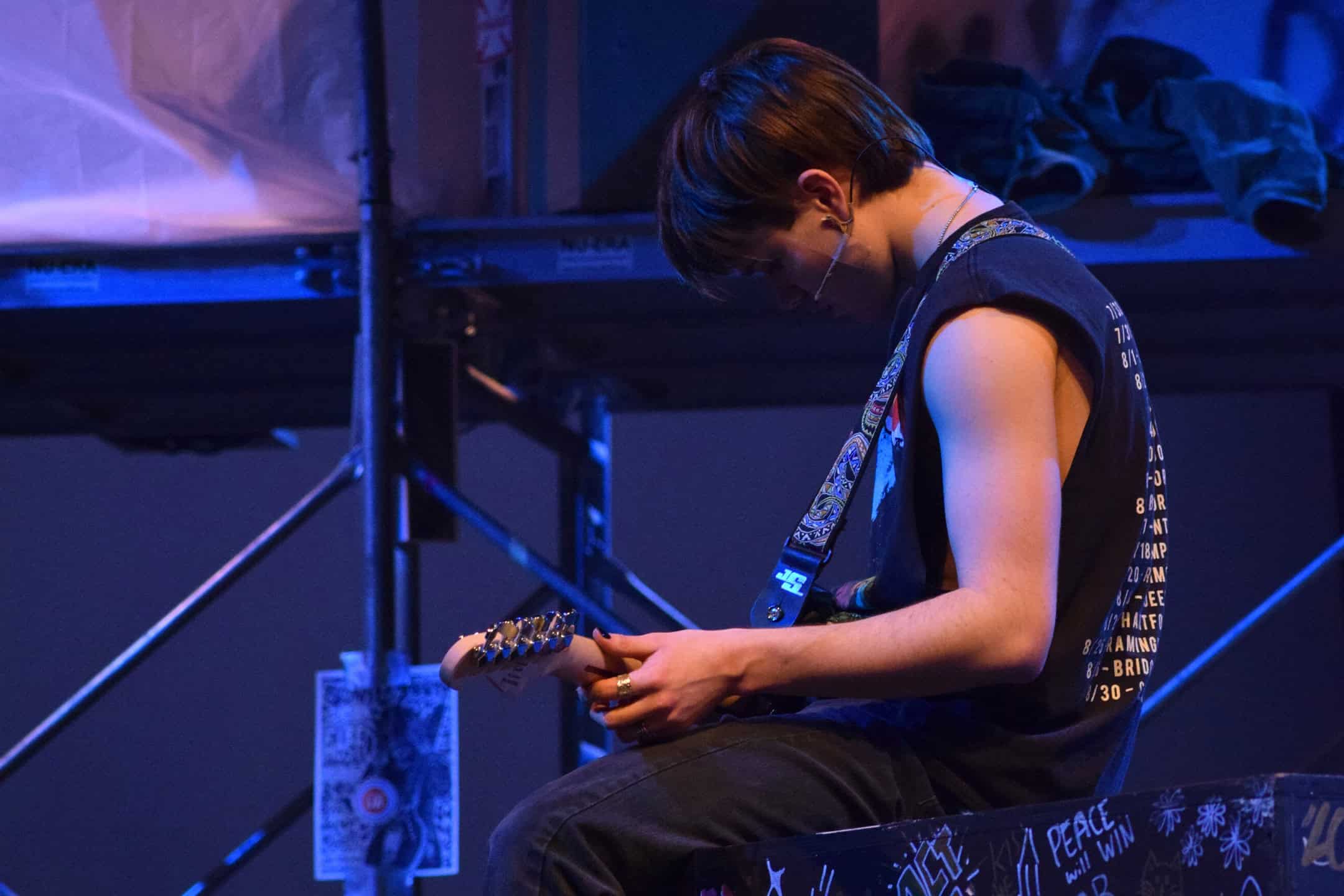
During the run of their production of Rent, the Trinity College Drama Society (TCDS) worked in collaboration with Sherbourne Health, a community aid centre providing access to health, social, and wellness services in the Dundas-Sherbourne neighbourhood. Together, they set a goal to fundraise $500 and raise awareness for Supporting Our Youth (SOY), a community initiative run by Sherbourne Health. SOY provides access to “mental health care, food opportunities” for queer youth in Toronto.
Jonathan Larson’s Rent is set in New York City in the 1990s, during the height of the AIDS crisis. The musical tells the entangled stories of a group of artists in New York who are living through poverty and illness in the East Village. The show examines a range of topics like gentrification and protest, loneliness and community, love and loss.
The show is loosely based on Giacomo Puccini’s 1896 opera La Bohème. Rent carries over many characters and arcs from La Bohème, including the emotional love story between Rodolfo (Larson’s Roger) and Mimì. TCDS’s production ran from February 5–7 at Hart House Theatre, and sold out every performance.
Rent centres on friends and roommates Mark (Nomi Parsai), an aspiring documentarian, and Roger (James Higgins), a singer-songwriter. Mark is the show’s narrator, who is still pining over his ex-girlfriend Maureen (Gaby Bondoc), a struggling performance artist. Meanwhile, Roger is dealing with being HIV-positive and his grief over the death of his girlfriend, April. Roger eventually falls in love with Mimi (Anya Almirante), an exotic dancer at the speakeasy, “Cat Scratch Club.”
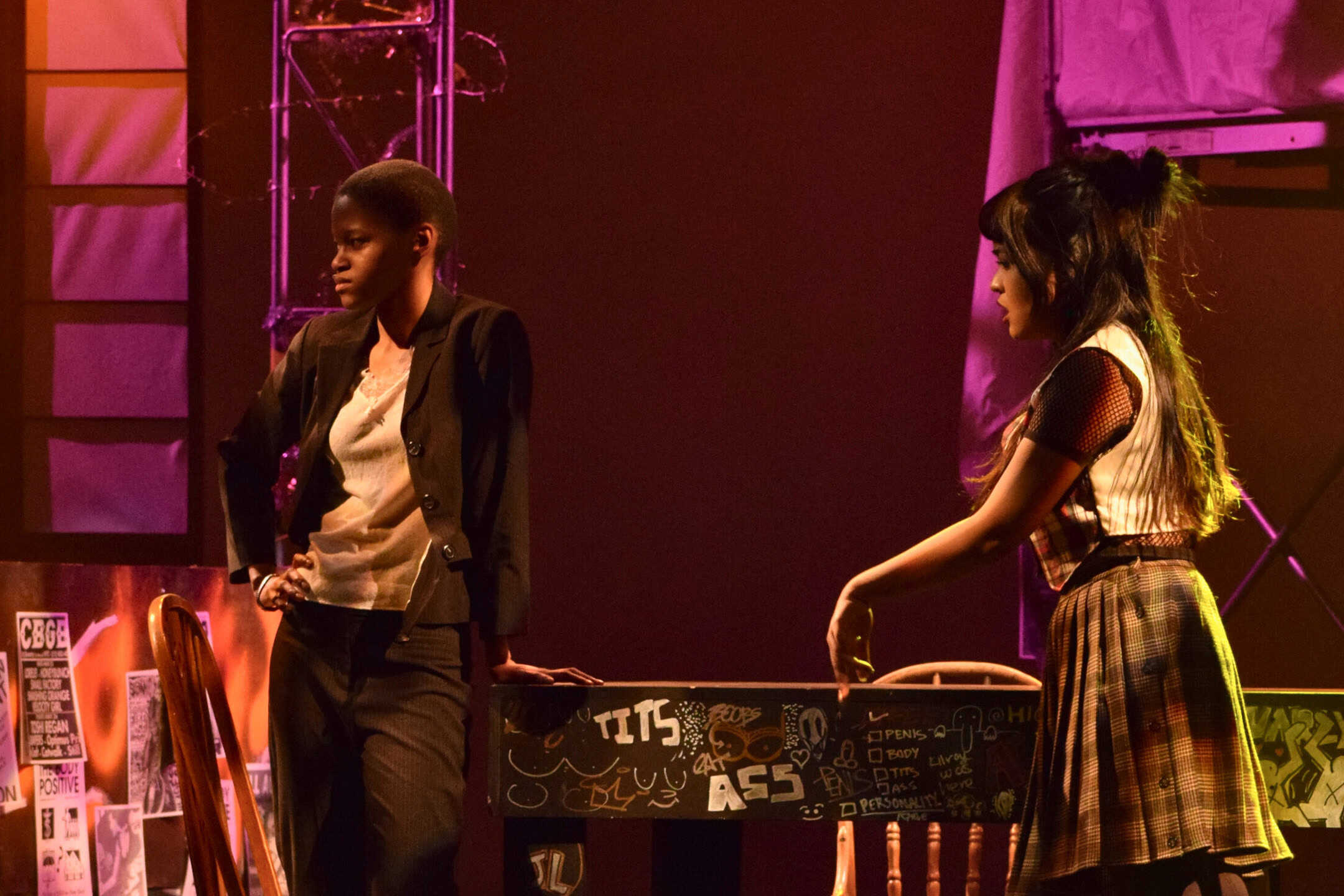
The show also follows Mark and Roger’s longtime friend Collins (Malikhai Kolonko), an activist and lecturer at New York University, and his partner Angel (Juan Parra), a drag queen who is also dealing with HIV/AIDS. This group of friends and artists often clashes with Benny (Evan Lee), Mark and Roger’s ex-roommate and current landlord, who is looking to turn the apartment and the lot beside it into a cyber arts studio.
The set, designed by Neehla Pal and Liz So, was colourful and full of life, with graffiti layered over most foundational set pieces, framing strings of Christmas lights twisted over scaffolding, tarps, and protest signs. The set encapsulated the spirit of the musical and provided a dynamic, engaging space for the show’s action to unfold.
“You’ll see on our set, there’s a bunch of graffiti and messages,” director Kit Dixon told me in our interview before opening night. “We gave the cast markers, and we told them to write whatever they felt was important to them all over the set.”
That spirit of collaboration between cast and crew was carried into other aspects of the show. “I also talk to the actors a lot to help me communicate what they think their characters would be like,” said costume designer Val Vergara in an interview with The Varsity. In addition to the wardrobe, choreographer Maya Elder also emphasized the importance of implementing the cast’s ideas in her work. “For our big group numbers, it was just so collaborative and filled with laughs and everyone else’s ideas.”
The cast themselves put on a good performance, with ensemble pieces standing out the most. The “Will I?” interlude between “Another Day” and “Santa Fe” was a particular treat to listen to with its overlapping harmonies and deeply personal lyrics executed flawlessly by both the cast and live band on opening night.
Mark’s relationship to the plot is both as a participant and a spectator, observing the events through the camera lens he uses to make a documentary about his friends’ lives. Parsai skillfully depicted Mark’s simultaneously active and passive role with both his distancing body language and emotional vocal delivery in the number “Goodbye Love,” where he fights with Roger.
Bondoc and Thato Sotashe gave phenomenal solo performances as Maureen and her partner Joanne, respectively, but struggled slightly with communicating the intensity and chaos of their relationship in the second act, where they are most often on stage together.
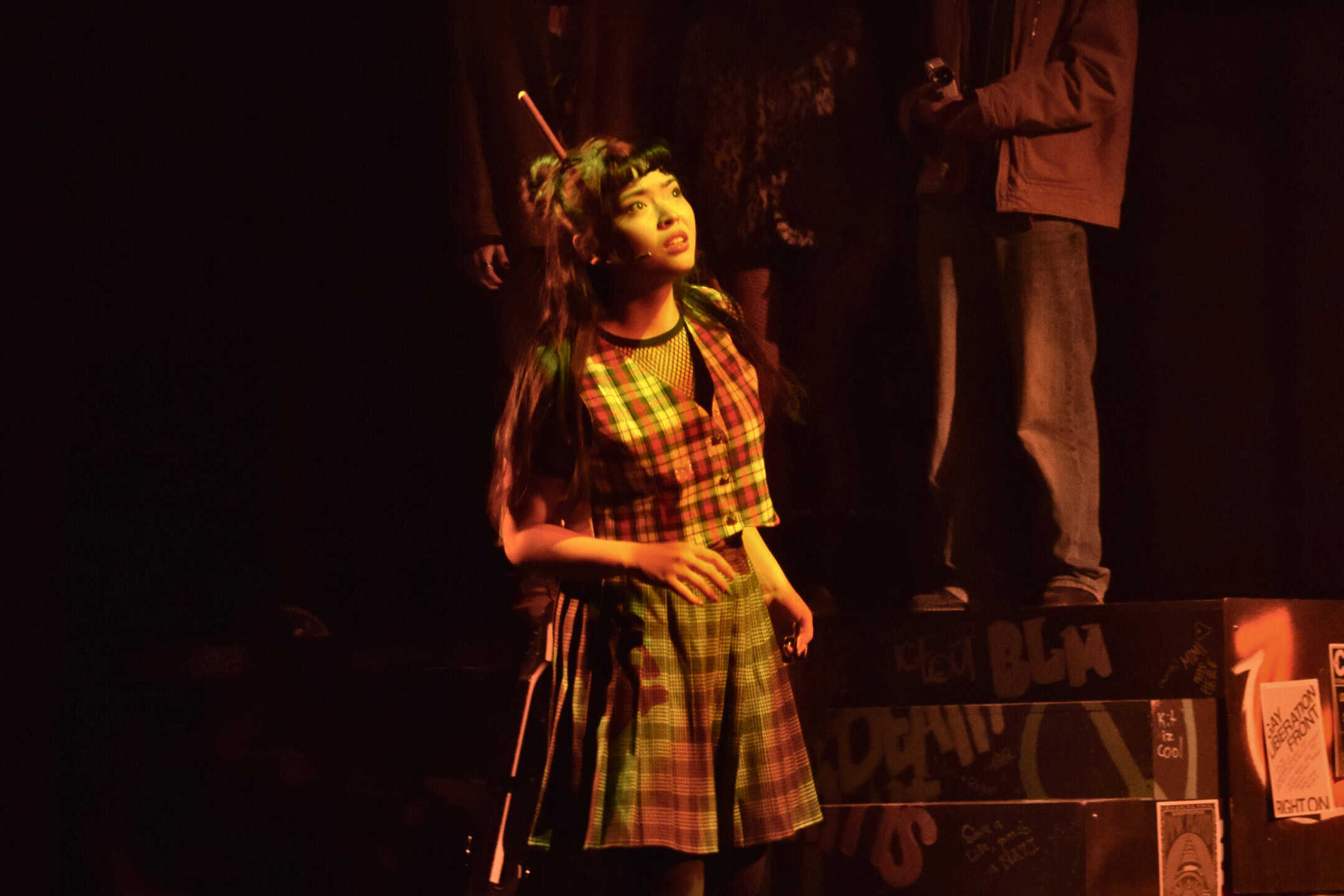
Higgins and Almirante were convincing as Roger and Mimi, and did good work showcasing their characters’ emotions through both their execution of the lyrics and choreography. Similarly, Parra and Kolonko, like their characters, had excellent chemistry. Kolonko also gave an emotional rendition of I’ll Cover You (Reprise) in Act 2, making for one of the most memorable numbers of the night.
The production was very thoughtful of its source material, showcasing the world of its characters with sensitivity and care. The HIV/AIDS crisis left a lasting impression on the queer community, becoming the backdrop of immense marginalization and loss. At the same time, it mobilized queer communities to action, advocating for socio-political change as they strove to help those around them.
That impulse to bring community together, to experience joy and love — even in a state of incredible isolation — is an entirely human phenomenon that resonates across the board, from 1990s New York City to Hart House on a Thursday night.
According to the Government of Canada, Canadian 2SLGBTQI+ youth today are “twice as likely to describe their mental health as poor” compared to the general population, and are more likely to report health challenges. I was deeply impressed by the work the cast and crew put into communicating the importance of strong advocacy, both through their performance and their fundraising for SOY. Just as in the time Rent portrays, the need for resources and community support remains.

No comments to display.