
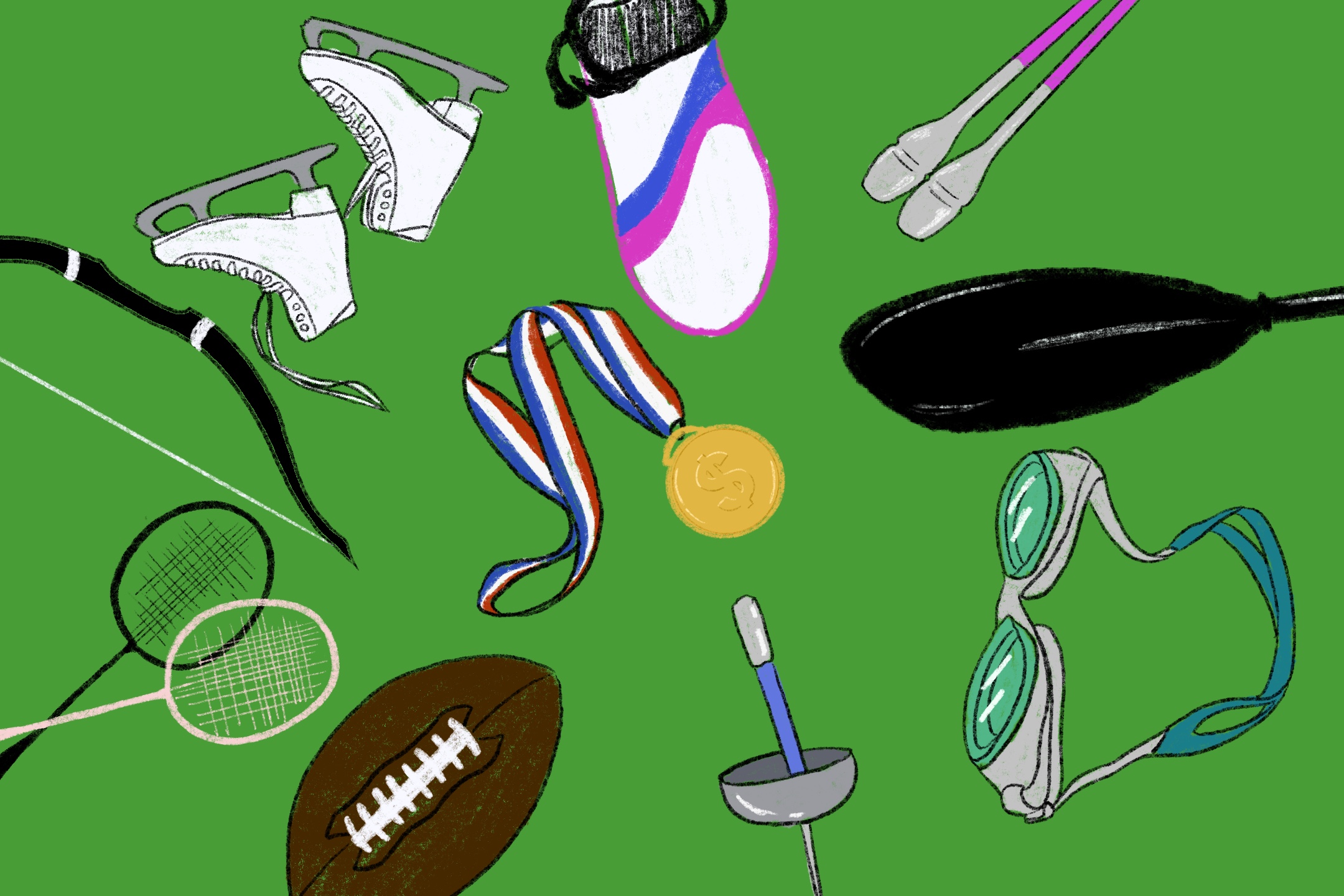
With the Winter Olympics recently ending, I have seen articles, such as Myles Dichter’s of CBC, wondering if there are enough resources to produce the next generation of athletes. I’m glad to see a growing media presence on a lack of resources being put towards high-level Canadian athletes, a topic that I have felt strongly about for a while now.
However, it is saddening to see that awareness has only come along with a lack of results at the Milano Cortina Olympics for Canada. The team finished with 21 total medals, compared to 26 at Beijing 2022, 29 at PyeongChang, and 25 at Sochi 2014.
For several years now, I have been trying to explain to people that sport is, for lack of better words, ‘dying’ in Canada. As a former national-level rhythmic gymnast and certified and competitive judge, I have witnessed firsthand how national sport federations within Canada struggle to support their athletes, barely being able to provide the basic necessities for the sports they govern.
From conversations with peers, coaches, and professionals working throughout the Canadian sport system, I have noticed a common theme — every Canadian sport federation, ranging from athletics to figure skating, is lacking funding.
However, it would be naive of me to draw examples from any other sports other than the one I know best — rhythmic gymnastics. This is a sport that requires countless hours in the gym, specific facilities, and, as in any elite sport, good rehabilitation. These requirements are just the bare minimum of what is needed to reach the international podiums.
Top rhythmic gymnasts in the country only began receiving funding from Canada’s Athlete Assistance Program (AAP), or getting carded, following their last participation in the 2012 London Olympics. The carding is meant to aid in travel funds, maintenance of health, and sustain athletes financially, which is all meant to be covered with a small pool of money. As of late, the team is now also required to cover the cost of their coaches, their medical treatment, and basic equipment.
The kicker to all of this is that Gymnastics Canada has set ambitions to place on the Olympic podium at LA2028, after over a decade of not even qualifying for the games, in hopes of attaining more financial support. Just as Dichter of CBC wrote, “performance leads to funding. And when the results don’t come? Neither does the money.” Funding and results are an impossible Catch-22 situation that I’m certain every sport in Canada is currently facing.
For the longest time, I placed the blame on my sports federation, but at its core, the blame should be on the Canadian government. Results require an investment of resources — they cannot be expected or anticipated with minimal support.
Drawing on rhythmic gymnastics once again, the Brazilian group is an exceptional example of how investing in athletes pays off. In a historically European-dominated sport, in the past few years, we have begun to see South American representation on the podium at the world stage.
In 2021, at the Rhythmic World Championships, the group placed ninth. At the most recent World Championships in August of 2025, the team took home the silver medal.
Their enormous feat is the direct result of the Brazilian government’s vast contribution to enhancing sport in the country. Within the past decade, this team has begun training in a centralized sports complex with meals and housing provided, receiving daily physical treatment, and engaging in strength training and routine physical testing led by seasoned professionals — all things that are unattainable with the budget Gymnastics Canada currently has.
A more current instance of our lack of funding would be Canada’s use of hand-me-down bobsleds at the recent Winter Olympics. The Canadian sleds at these 2026 Games are the ones that Germany used in 2018, according to Morgan Campbell of CBC Sports.
In every Olympics since 2006, Canada has won at least one bobsled medal, but this year, there hasn’t been one Canadian team near the podium in any World Cup event.
Watching these conversations about funding for high-level athletes finally gain attention brings me a mix of pride and sadness — pride because people are finally starting to recognize what many of us athletes have known for years, and sadness because it took an anticipated lack of Olympic success for this issue to surface.
If we want to see Canadian flags rise again on international podiums, we need to start by rethinking how we value and support our athletes. Passion and hard work alone cannot sustain a sports system; meaningful investment, infrastructure, and leadership can. Until Canada begins to prioritize sport the way other nations do, we will continue to fall behind.
The conversation has finally started — now it’s time for action. Our athletes have given everything for the maple leaf. Now it’s time our systems do the same for them.
