
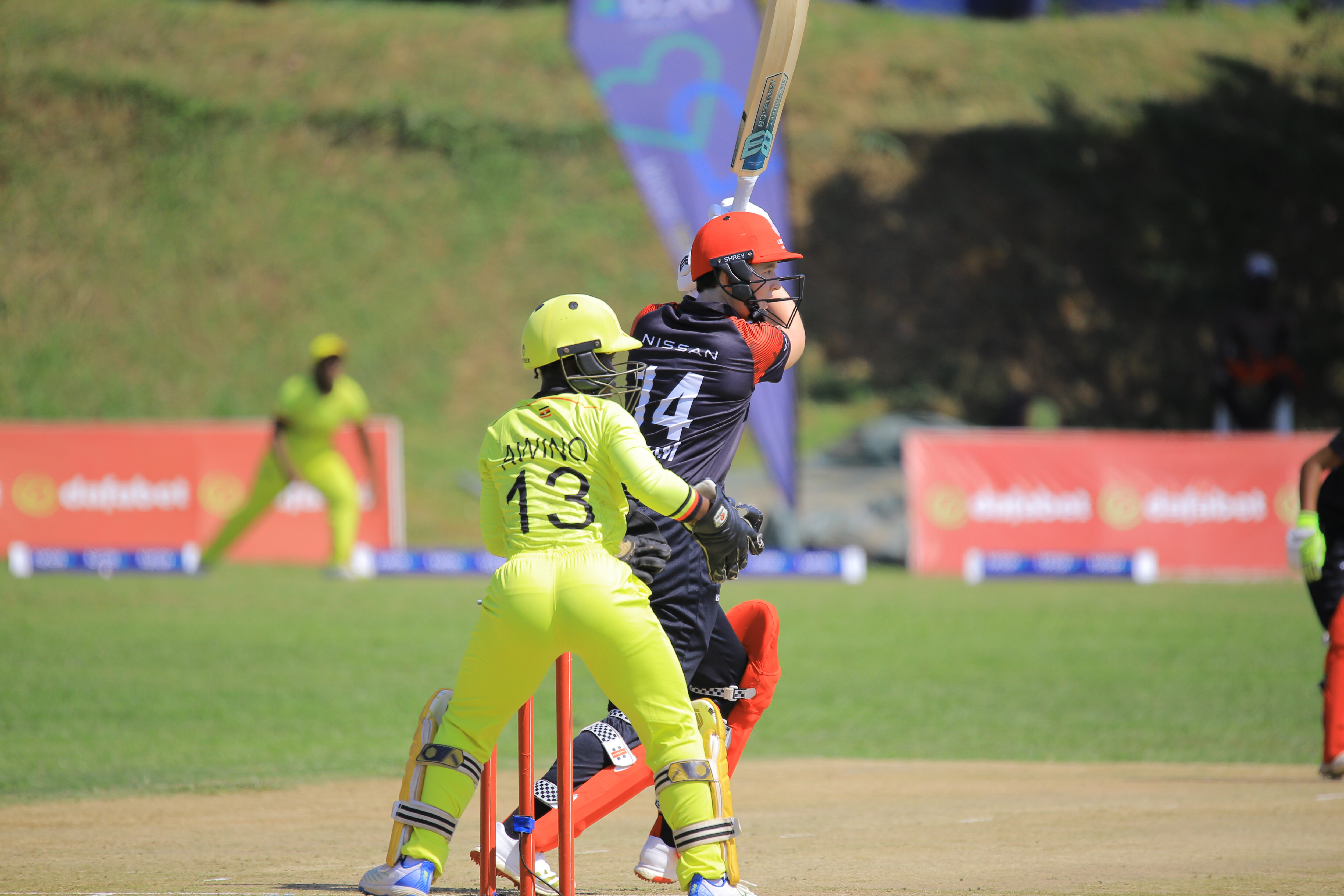
While U of T offers a wide range of varsity athletic opportunities, several sports lack programs for various reasons, including underfunding, lack of infrastructure, and generally low engagement levels. Cricket is one such sport; while it is slowly but surely growing in popularity throughout Canada, there are few opportunities available for young athletes, particularly young girls, at every level.
In an interview with The Varsity, Jazzy Oldham, a third-year economics and sociology student, discussed her goal of growing the sport, recounted the ups and downs of her career, and her journey to representing Canada as a member of the National Women’s Cricket Team.
Beginnings in the sport
While Oldham is originally from England, she only began playing cricket after she moved to Vancouver at age 10. There, she discovered a summer cricket program through family friends, and began playing recreationally.
“Cricket in Canada, and especially in Vancouver, still isn’t very developed… at that point, we didn’t have a proper junior cricket team,” Oldham said. When she was 13, a junior team was finally established at the Meraloma Cricket Club, and she joined the first wave of people to play at the junior level.
But Oldham had to play on an all-boys team because there were still not enough girls playing. “I was [the only girl] across [the Vancouver area playing] for a long time… there [were] only a few [of us] across a couple different teams [throughout BC],” said Oldham.
Taking skills to the national level
By grade 12, Oldham was training and playing about six times a week. “I was playing cricket a lot… that summer, I got picked to represent BC and be a part of the BC women’s team. We played against Alberta in a three-match tournament.”
There, she was selected by Canadian scouts to be a part of the National Women’s Development team. At age 17, she represented Canada, playing at the International Cricket Council (ICC) World Cup and ICC Americas Region World Cup Qualifiers against the United States, Brazil, and Argentina as the youngest member of the team.
Facing and overcoming setbacks
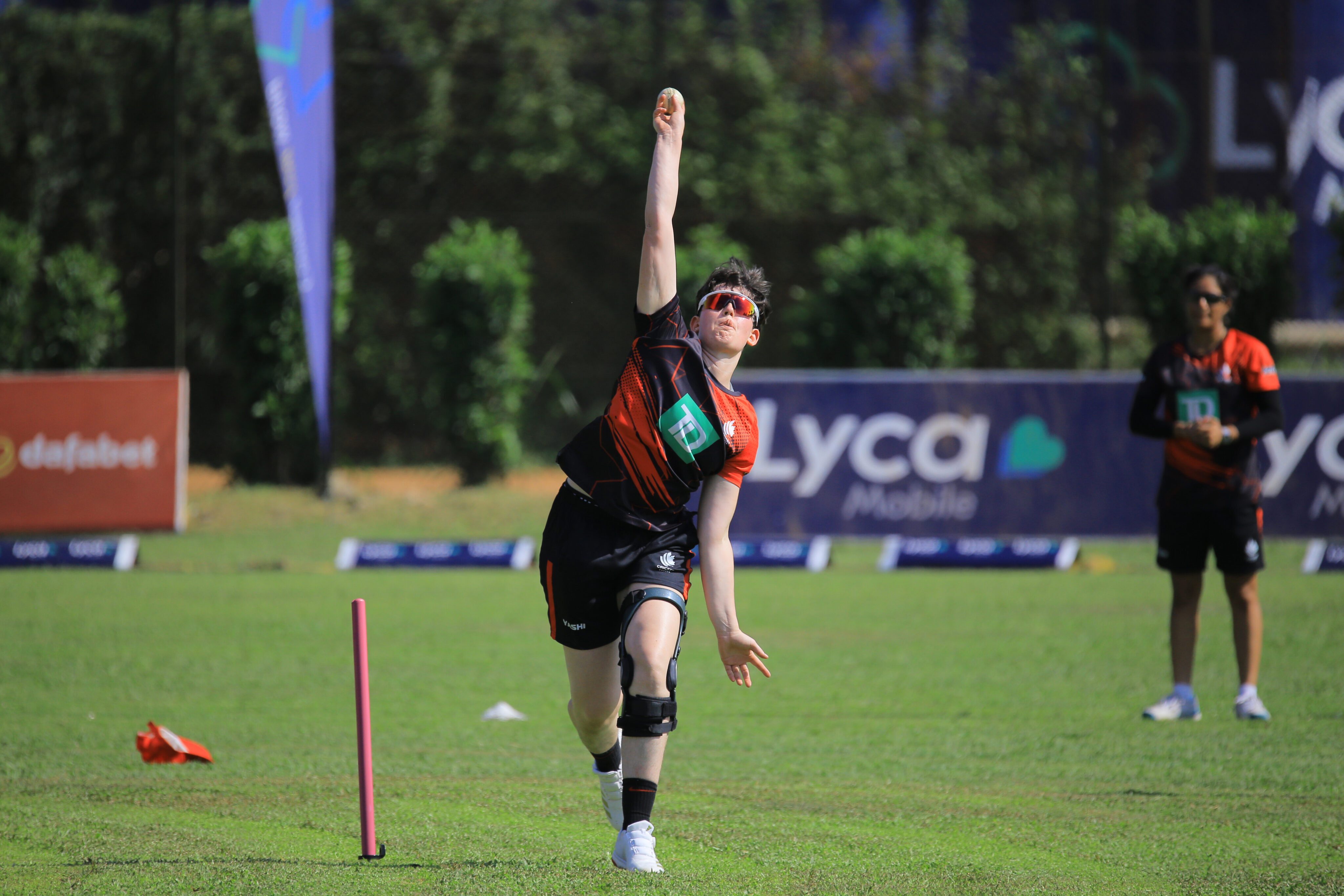
However, Oldham faced a major setback when she tore her ACL the next January. What followed were several surgeries and a long road to recovery, and consequently, four years of not being able to play cricket. She has since recovered, returning to cricket at the start of last summer following her final operation.
Moreover, she has returned with a new strength and specialization as a batter, having previously been considered an “all-rounder” player. “Being in a new role feels very nice too because it’s tricky, it’s hard… You don’t get many opportunities when you’re a batter. You screw up, and you’re gone; that’s your chance. Whereas when you’re a bowler or a pitcher, you can bowl several times. If you have a bad ball, you can bowl again.”
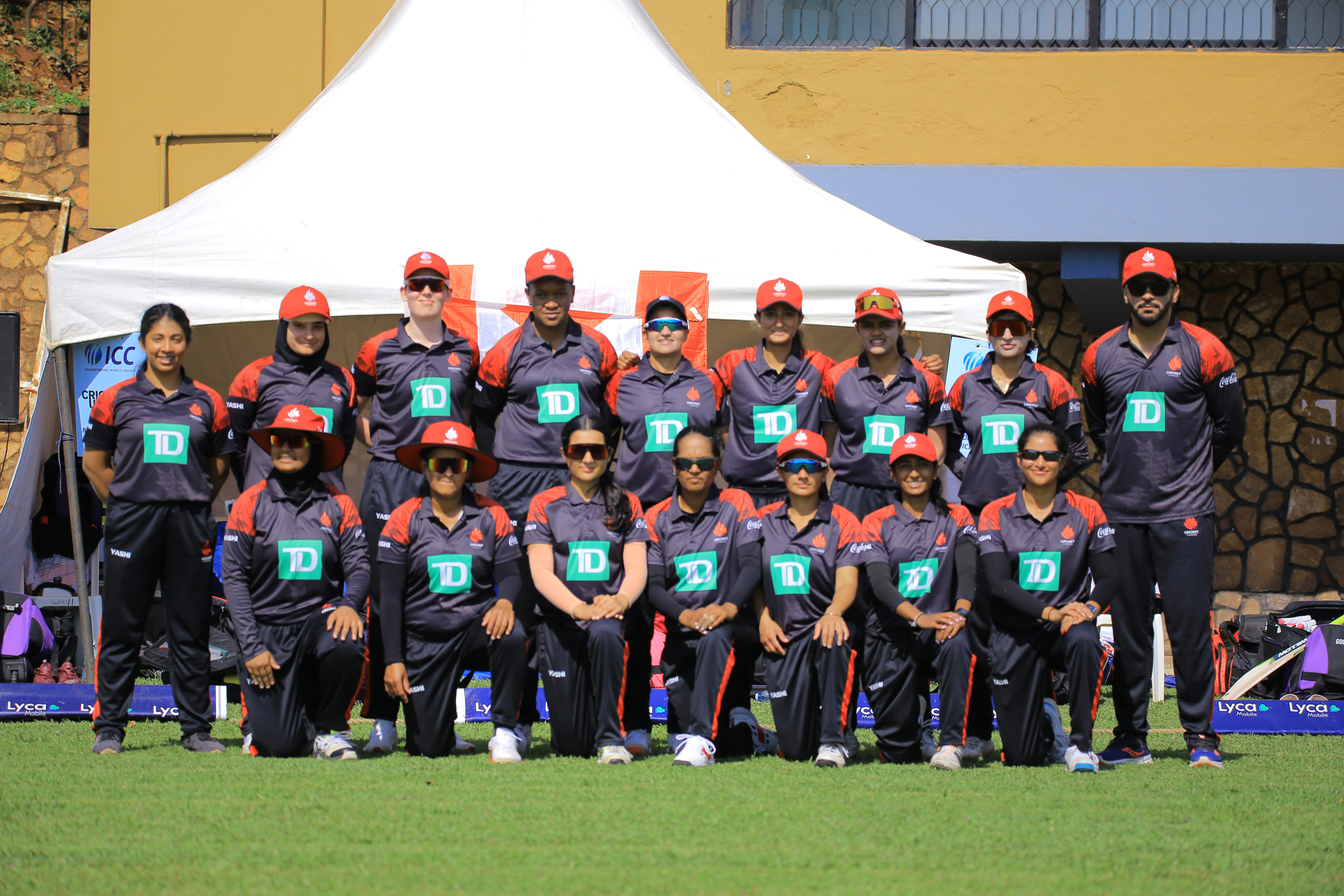
Oldham’s international career took off once again, as she was selected to represent Team BC in a national tournament. She was then chosen to represent Canada on a tour in Africa in fall 2025; the first international tour outside of World Cup Qualifiers. The team travelled to Uganda and Tanzania for a Women’s National Team tour of Africa from October 18 to November 5, 2025.
While the team experienced a 5–0 series defeat, Cricket Canada emphasizes that the series “strengthened international ties and provided players with valuable exposure.” In preparation for the tournament, Oldham said that there is “a level of sacrifice that needs to be made to compete at the [national] level,” practicing with the team for about 20 hours per week, all while balancing school.
Pressure to perform
While Oldham’s success is indicative of her dedication and perseverance, she also highlights outside factors that motivate her beyond individual outcomes. A large goal for the team was to perform well and rise in rankings, which would enable the team to receive more support and funding from the ICC. “[To] get the resources [and] support, we need to do more, to train more, and to just inspire more girls to play this sport,” she said. Canada is currently ranked 31st out of 72 teams in the ICC.
As such, Oldham sees succeeding at the international level as a top-down approach of inspiring others. “More development will create more opportunities for young girls coming through the sport and create more interest… Hopefully we will get to a place where in most places in Canada, at least [in places where] men’s cricket is very established, girls and women [will] also have [an established cricket program].”
The future of women’s cricket in Canada
Oldham hopes to see the women’s cricket program in Canada grow, as playing a male-dominated sport can be very challenging. “When you’re not in a sport where only girls can play… you have to navigate the challenges of being around a bunch of boys who are already penalizing you because you’re a girl, and so you have to prove yourself more. It’s important to know that there’s more to it than that.”
She hopes to help promote widespread interest in cricket nationally, describing it as a still-rising sport that is not fully intertwined or integrated into Canadian culture. “Most of the people who will play it [in Canada] are from a country [that is a very traditional cricket country, such as] England, Australia, India, or Pakistan… [People play] because they have other cultural connections to [the sport],” Oldham explained.
Looking ahead
Oldham is unsure of what the future holds, but she sees various post-graduation opportunities stemming from her time at U of T and experience in cricket. “A lot of me wants to pursue cricket and see if I can make something of myself through [the sport, but] I would have to move to England [to do so]… You can’t make a living being a female cricket player in Canada; it’s hard to make a living even for the men.” Oldham also entertains the possibility of pursuing a career related to behavioural economics, in line with her academic interests.
Ultimately, Oldham’s story is one of resilience. Her story exemplifies how success is not always linear. “Still being committed [to the sport] and going through all the ups and downs to get back to where I am feels very rewarding.” Moreover, her dedication to promoting equity and growth in the sport is evident in her aspirations to foster a movement in Canadian cricket by inspiring future generations of girls and athletes.

No comments to display.