
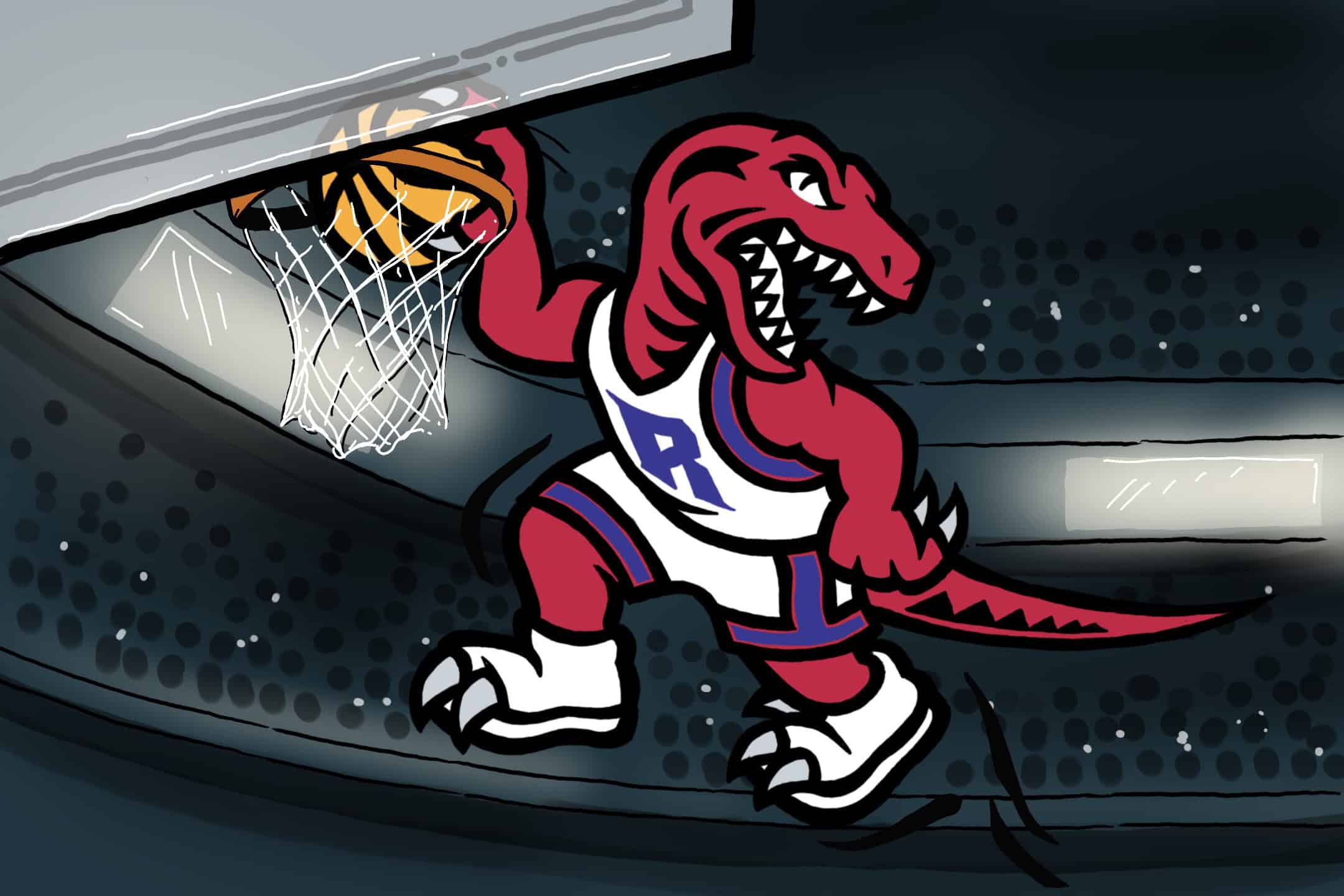
The Toronto Raptors start the 2025–2026 season in an environment that seems both old and new. After finishing with a 30–52 record last year, hints of improvement were obscured by inconsistency and injuries. The team’s identity and attacking strategy are once again being called into question.
However, there is some cautious optimism: with a healthier lineup, greater chemistry, and a strong core formed around Scottie Barnes, the Raptors may finally be ready to power ahead. The Eastern Conference is congested at the top but open in the middle, which might allow the Raptors just enough room to reclaim contention.
Strengths: A maturing core and a defensive backbone
This year, Toronto’s most significant edge is consistency. The majority of last season’s key rotation stays intact, which brings a sense of familiarity that has been lacking since the 2019 championship period. The long-awaited return of Brandon Ingram, who was sidelined due to injury last year, provides much-needed offensive power and spacing.
On defence, the Raptors improved significantly after the All-Star break, finishing second in the league in defensive rating during that time. Jakob Pöltl leads the inside, while Barnes, with his length and flexibility, is the team’s pulse. Barnes, now in his prime, is evolving as a playmaker and a leader, and if he remains healthy, the Raptors’ ceiling will rise with him.
Weaknesses: Offence and spacing limit potential
For all their defensive growth, the Raptors’ offence remains a work in progress. Last season, they were 23rd in scoring and at the bottom of the league in three-point shooting, often clogging the court and limiting Barnes’ ability to make plays. Ingram’s return should help, as he has increased his outside volume and made almost 37 percent of his threes last season.
Toronto’s success may be determined by Barnes’ and Ingram’s ability to share the floor without undermining each other’s abilities. The Raptors went 7–32 in the last two seasons without Barnes in the lineup. Until the Raptors demonstrate that they can remain healthy and rediscover offensive rhythm, their defensive advances may not be sufficient to take them through the East.
Offseason changes: Stability with fresh energy
Rather than overhauling the roster, the Raptors doubled down on stability. They re-signed Pöltl to maintain their defensive anchor and picked forward Collin Murray-Boyles ninth overall, a high-intensity youngster who matches Toronto’s energy and length characteristics.
There has also been a notable cultural shift. Darko Rajaković, the team’s new coach, has prioritized speed, ball movement, and half-court discipline, which were the team’s weaknesses in the previous season. According to training camp reports, it might pay off quickly.
If the Raptors can maintain their defensive edge while improving their offence, they will have a solid chance of making the playoffs.
Outlook: A defining year for Toronto’s rebuild
This season feels like a turning point for the franchise. The Raptors have all the pieces: a rising star in Barnes, a proven scorer in Ingram, and a defensive unit capable of keeping them in games.
Yet, converting promise into results has been the missing link. Realistically, Toronto projects as a mid-tier Eastern Conference club capable of winning 40 games if players remain healthy.
They are good enough for the playoffs, and potentially even more if everything goes as planned. Anything less, and the front office may need to reevaluate its long-term strategy.
This year holds emotional significance for Raptors fans, who have experienced both the highs and lows of 2019. It’s a test of patience, growth, and whether this squad can ultimately make all of its “potential” a reality.

No comments to display.