
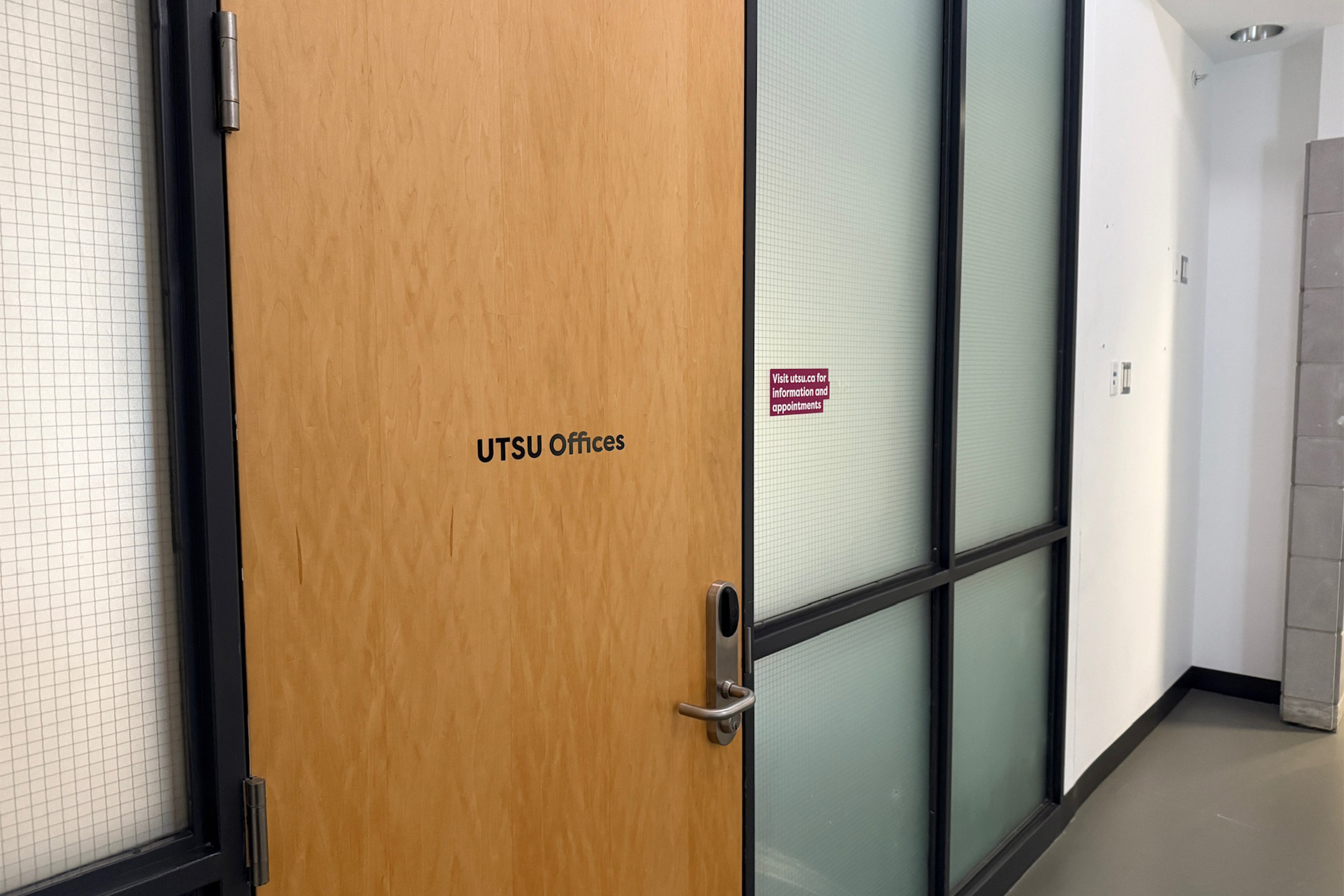
The Varsity sat down with UTSU President Melani Veveçka to discuss the UTSU’s time in office so far.
UTSU’s highlights this semester
According to Veveçka, the UTSU made a deal with The New York Times to grant students access through U of T’s library system. “We ended up closing a deal with The New York Times through the library system, but they’re taking forever to audit for some reason. They have to go through a lot of data security, but essentially, we advocated for our students at U of T to have access to The New York Times. The library system finally ended up buying this deal. So it will be for all students across three campuses, not just for St. George,” said Veveçka. “This [process] has been going on since May,” she added.
The UTSU also increased its funding for the Food Coalition from $10,000 to $13,000. The Coalition is a student-faculty network focused on reducing food insecurity on campus, and it currently serves two free lunches a week. “From the census that we got last year, food insecurity was a very important issue for a lot of students,” said Veveçka.
According to Veveçka, the UTSU implemented the Respect, Educate, Empower Survivors (REES) project at U of T with the Sexual Violence Prevention Centre. REES provides an online portal “customized for each campus partner with their sexual violence policies and campus/community resources,” according to their main website. U of T is not yet listed as an official campus partner. Implementing REES has been a UTSU goal for two years.
Veveçka explained that the platform gives survivors space to record their experiences without the pressure of filing a formal report. “Survivors of sexual assault or gender based violence can document their story without the pressure of actually reporting it. [When] there are any minor inconsistencies, I have noticed before that people tend to nullify the account of survivors, so they can just write it down, use it as a digital diary when the event occurs or when they feel comfortable, and if they ever feel comfortable, they can send that report that they’ve written to the Sexual Violence Prevention Centre.”
The UTSU also expanded the hours of its Rideshare program. U of T students can now access one $5 Uber voucher per week between 10:00 pm to 6:00 am, rather than the previous 12:00–5:00 am. This change is paired with an increase in total monthly vouchers from two to four, although each student can still only use one per week.
“Now that it’s getting darker as well, for a lot of women and gender diverse folks, it might be a little bit dangerous to get the TTC. We just wanted to have this option if they ever needed to alleviate a worry of them getting safe at home,” Veveçka said.
Reflecting on the fall AGM, Veveçka said, “It wasn’t anything interesting. We did get a normal turnout, and we just presented what we did, but nothing specifically riveting happened. There wasn’t much debate about anything. We didn’t get any motions from students, if I recall correctly. It was mostly just us presenting and waiting for questions, if anyone had any questions.”
Regrets
When asked what the UTSU could have done better this semester, Veveçka said, “I think that for a lot of things, it took a little too long. Whether they were something that I could have controlled by myself or outside of my control, but ultimately it did work out.” She pointed to The New York Times deal finally closing after months.
Veveçka added that extending the deadline for club registration is something to improve next year. The form was open until September 30, though “it might have been a little more beneficial if we kept it running up until October rather than closing it off September 30,” since some clubs may still have been waiting to be acknowledged by U of T’s Student Organization Portal. Clubs will have another opportunity to register with the UTSU in January.
Looking forward
The UTSU has several initiatives in progress. One of them is the installation of bidets on campus, particularly in high-traffic buildings such as Bahen, Myhal, and Robarts. “We are currently in early consultation with our plumbers at the Student Commons building to see if any of our gender neutral and accessible washrooms could have the bidets installed,” Veveçka said.
The UTSU has also been in conversation with Metrolinx about a voucher system for students using GO trains, in addition to the 40 per cent discount students already receive. “Before, we did want to do a TTC subsidy for people who would be in more financial need. However, we did discuss with a lot of groups on campus, mainly the Rocket Riders, and they were essentially saying that it might have been a better idea to look into a GO train subsidy… We want to see first how much interest there would be, so we can allocate funds directly and accordingly,” said Veveçka.
Last summer, the UTSU also began developing a “club matchmaking” system to help students find clubs aligned with their interests. The system is projected to be completed by January.
Election dates for the next UTSU election have also been proposed, with a nomination period between February 11–18, a campaign period between February 21–27, and official election results announced on March 4. These dates are subject to change.

No comments to display.