
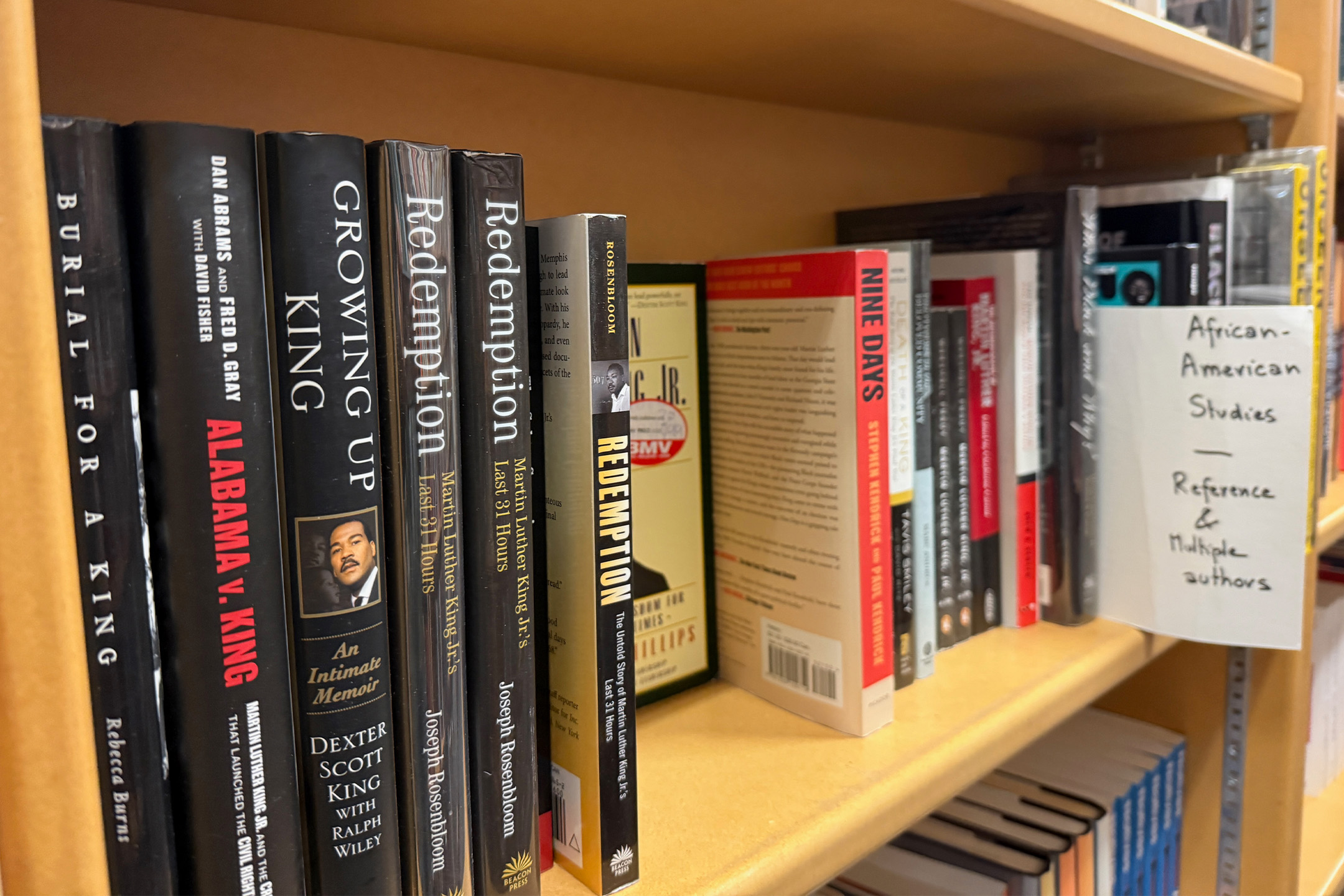
I was scrolling on Reddit looking for courses to fill a gap in my semester, looking for something easy that would provide time for other, more pertinent classes. That was when I first noticed the phenomenon of students suggesting African or Black studies classes as ‘bird’ courses.
To my understanding, bird courses are easy-A courses: low-stress courses, GPA boosters. Their syllabi are less academically rigorous compared to non-social science or non-humanities majors/minors.
There are barely any exams; often, the most you write is essays. With the advent of AI and the age-old tactic of rambling when confused, I can see why students might think these courses are simple, or categorize them as “bird” courses.
In some ways, I agree with them. I also fall into the mentality of thinking my women and gender studies or African studies courses can boost my GPA when my political science or STEM courses appear too difficult.
I will not chastise you if you think that courses in Black studies are bird courses. Instead, I argue that it does not truly matter. In the end, you are still taking the class. That’s all that should matter.
We in academia should, in some way, understand how inaccessible it could be. My domestic U of T tuition was around $10,000 a year. I am a commuter, so I spend around $6 a day, every day, for eight months travelling to UTSG.
The cost of university education has already proven to be financially grating for me. If I were an international student, I assume the cost would skyrocket. If I lived on campus as well, I fear I may file for bankruptcy.
While there are bursaries I have applied to to alleviate the pressures, the stress still persists for some. In a world where debt is normalized and academics are viewed as pretentious jerks, it is no surprise to me that anti-intellectualism is rising.
If we assume academics are stuffed shirts with brown tweed jackets who talk in circles about unimportant topics, then the courses they learn or teach are viewed as frivolous. Often, the courses we view as lesser are those we think serve no tangible benefits to society (although many people with social science degrees end up in careers where they provide tangible benefits to society). STEM can create buildings, weapons, and bridges. Social sciences and humanities often analyze social institutions and structures, so the results are generally ideological, not always physical.
If the people are annoying and you cannot visualize their topic — philosophy, or humanities in general — it could be difficult to enter that space, so you may distrust them. These barriers encourage minimizing language about those ‘useless’ courses, leading to less engagement and the suspension of what I think are necessary majors, such as the lost undergraduate gender studies program at York University.
At times, it draws ire for those who study those majors, as seen with Alina Louks, PhD, from Cambridge University. Her English literature thesis on olfactory ethics was viewed as a “waste of money” or as noncontributory to society, according to an analysis of social media comments by the CBC. In 2024, she received rape threats from digital mobs who saw no value in the humanities.
In that case, demeaning the humanities encouraged flagrant verbal assaults against academics. I am well aware of the impact of lessening social science and the humanities. The personal and institutional effects of that degradation are saddening. While I see the consequences, I also see possible benefits.
I compare this to those videos of men intentionally interrupting other women’s workouts and then realizing that the women’s ‘easy’ exercises were difficult. They begin dedicating more effort to proving their initial assumption, and while attempting to strengthen their ego, they are gaining muscle.
I think something similar could happen with Black studies. Students take the course expecting it to be simple and an easy A. Sidestepping the racist undertones of these assumptions, after enrolling, students realize that to do well, they would need to engage with the class content.
In both instances, their ego may open them up to strengthen themselves or learn something new. Even if students think it’s ‘effortless,’ they are still learning, particularly if attendance is mandatory.
I firmly believe it is important to wield undermining beliefs when necessary. 63 per cent of all humanities master’s degrees are held by women; in the Louks example, the severe threats she faced were gendered; in my comparison, the majority of the athletes underestimated were women. There is a gendered aspect to the demeaning of feminine studies or exercises. While we address the misogyny in the degradation, we can still use it to encourage engagement.
Black studies’ apparent simplicity creates a false sense of security, which could encourage students to enter the field. Whether to learn or increase participation and convince the university to continue funding the relevant departments, it’s a win/win for everyone involved.
Emmanuella Nwabuoku is an Opinion Domestic Affairs Columnist studying political science and gender studies.

No comments to display.