
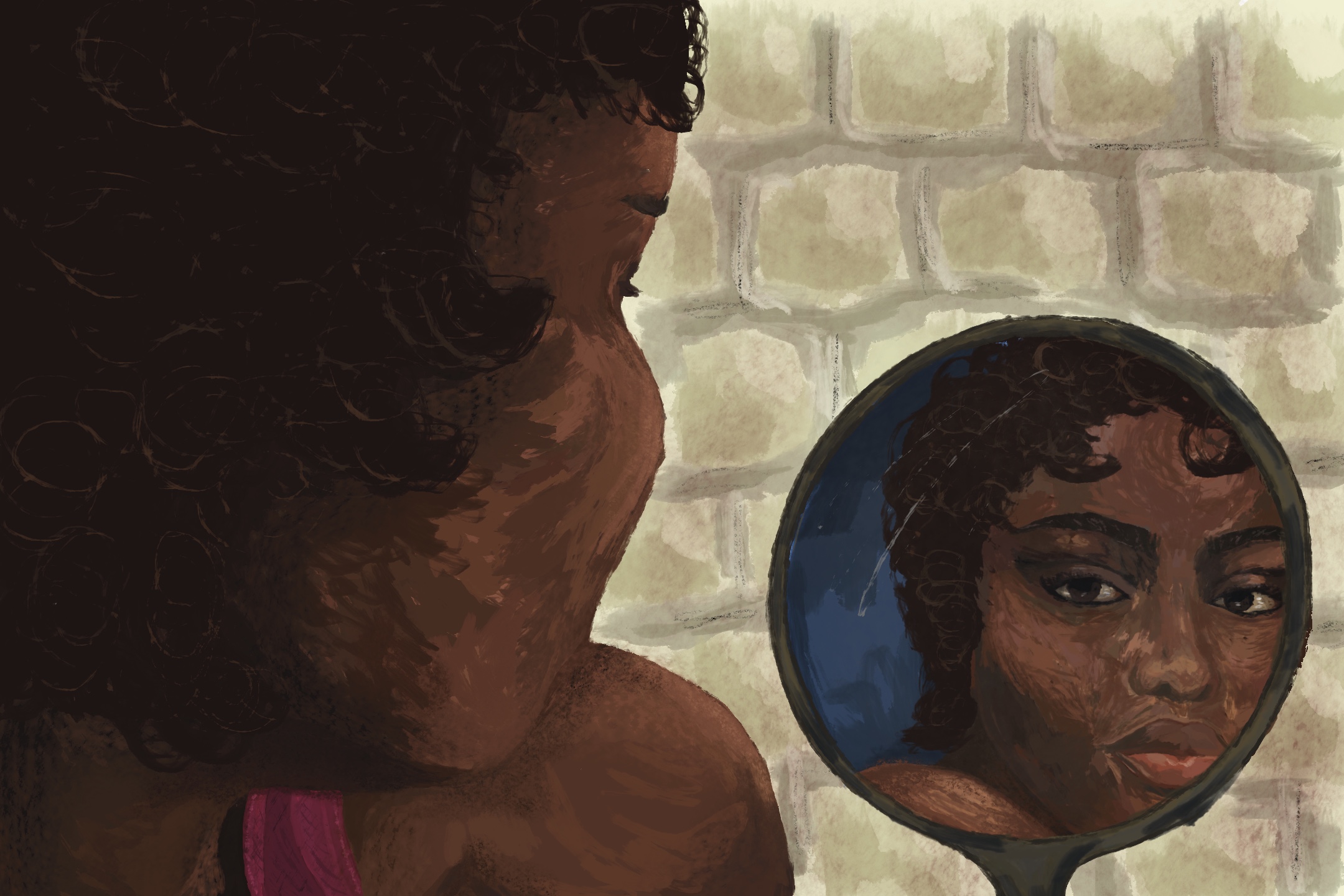
Coming to university often means learning new academic, social, and cultural languages. For many Black students, it also means confronting an unspoken question: what kind of Blackness is acceptable here?
I believe that campus culture quietly pressures Black students to perform a narrow version of Black identity. These expectations appear in subtle ways, such as how you are expected to speak, what cultural references you should know, how you dress, and what beliefs you embody.
While rarely stated outright, these norms shape belonging.
These pressures are especially disorienting for Black students who are immigrants, children of immigrants, religious minorities, or who come from different cultural or geographic backgrounds. Arriving at university, already navigating disorientation, many students find themselves decoding identity expectations alongside academic ones. The challenge becomes not only succeeding in the classroom, but also learning how to exist in social spaces that often prioritize legibility over complexity.
For a long time, I felt like I had to fit into a specific box to be ‘Black enough.’ Not because anyone explicitly told me to, but because certain forms of Blackness seemed more acceptable than others. Over time, I started to realize how quietly these expectations shape behaviour by encouraging conformity and discouraging difference.
Often framed as jokes, labels such as ‘whitewashed’ or ‘Oreo’ function as policing mechanisms. They suggest that Blackness exists on a hierarchy and that not performing a specific version of Blackness signals inauthenticity. This policing often comes from within our own communities. Rather than making room for difference, these labels flatten identity into something rigid, reinforcing the very constraints Black people have historically resisted.
It is important for everyone to recognize that Blackness has never been singular. It is diasporic and multifaceted, shaped by migration, language, faith, class, and history. It looks different everywhere — in Toronto, Houston, Lagos, the Caribbean, Muslim households, Christian households, and many others.
There has never been one way to be Black. Yet it can feel that, oftentimes, a narrow version of Black identity is rewarded, one that aligns most closely with dominant narratives and expectations.
Being Black is not something you perform or earn through cultural fluency. It is a lived reality shaped by history, struggle, joy, resistance, and self-identification. What matters more than fitting a predefined mould is understanding the nuances of Black experience and standing in solidarity with Black struggles.
In university spaces that often prioritize conformity and legibility, Black students are implicitly asked to compress themselves into digestible versions of who they are. But students do not owe anyone a performance of identity.
Black History Month offers an opportunity to ask how institutions and peer cultures shape belonging, and whether they truly make room for the full spectrum of Black experience.
For those outside Black communities, this means resisting the urge to ask people to explain themselves. It means allowing Black students to exist without interrogation or comparisons. And for those within our communities, it means recognizing the full spectrum of Black identity.
There are countless ways to be Black, and none are more legitimate than the others.
Aishat Abdulrazaq is a fourth-year student at UTM studying digital enterprise management and double-minoring in sociology and creative writing.

No comments to display.