
I’m sure by now most people have seen the 2023 Netflix documentary about the creation of Black Barbie: A documentary, directed by Lagueria Davis. After 10 years in development, it debuted at film festivals, winning at SXSW in 2023 before being picked up by producer Shonda Rhimes for Netflix.
This photo essay is not about the film but about the creative connection Davis and I forged through personal exploration. My name is Rose-Ann Bailey, and I’m a PhD candidate at the Ontario Institute for Studies in Education. In 2012, my fellow artist Frantz Brent-Harris and I started The Blk Barbie Project. Frantz is passionate about doll collecting and owns over 500 Black dolls.
I wanted to document this variety, as it was my first encounter with dolls that depicted different textured hairstyles and shades of brown. Growing up in Jamaica as a Black girl in poverty and later immigrating to Canada, I felt my identity was somewhat fixed and not influenced by inanimate objects like dolls.
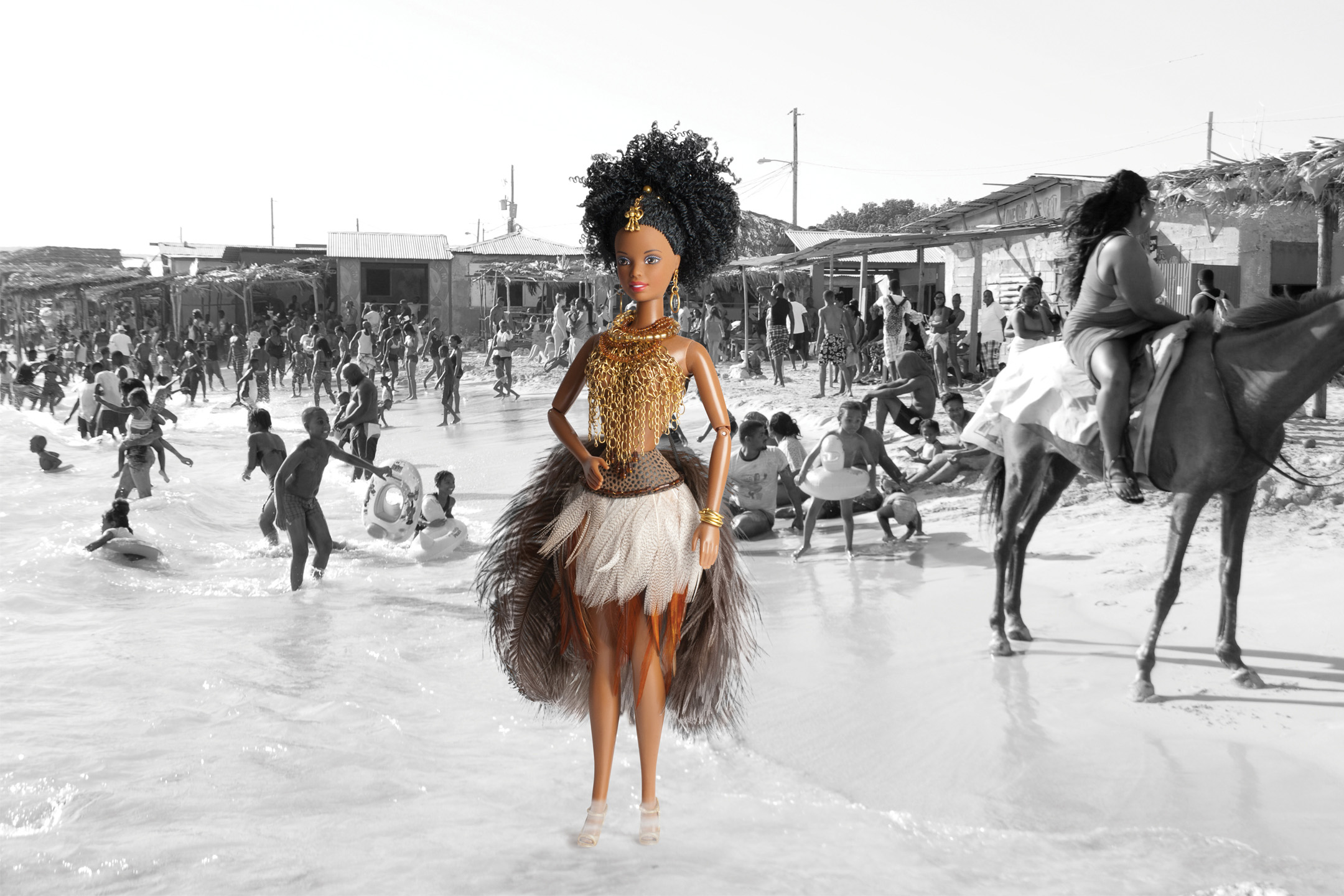
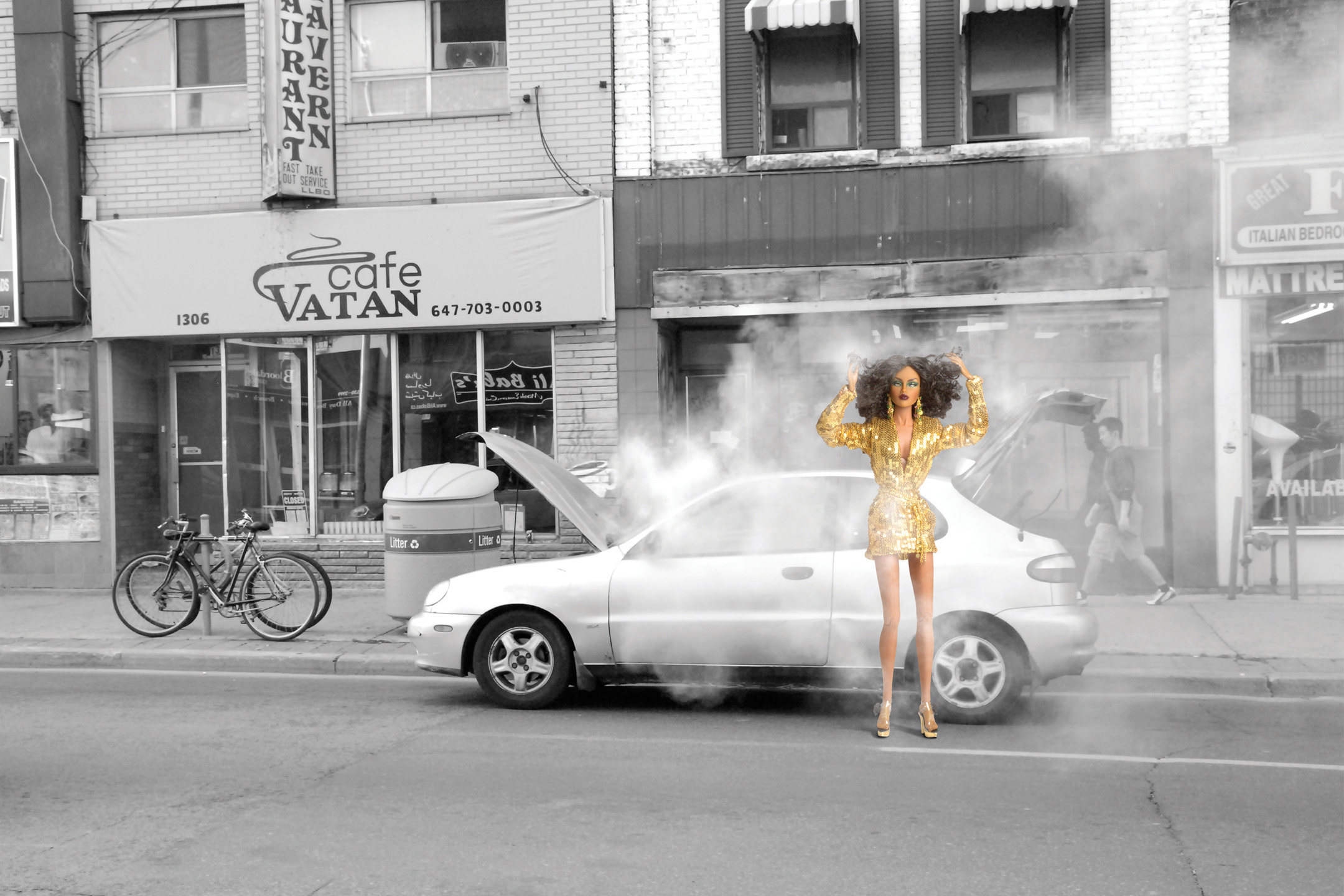
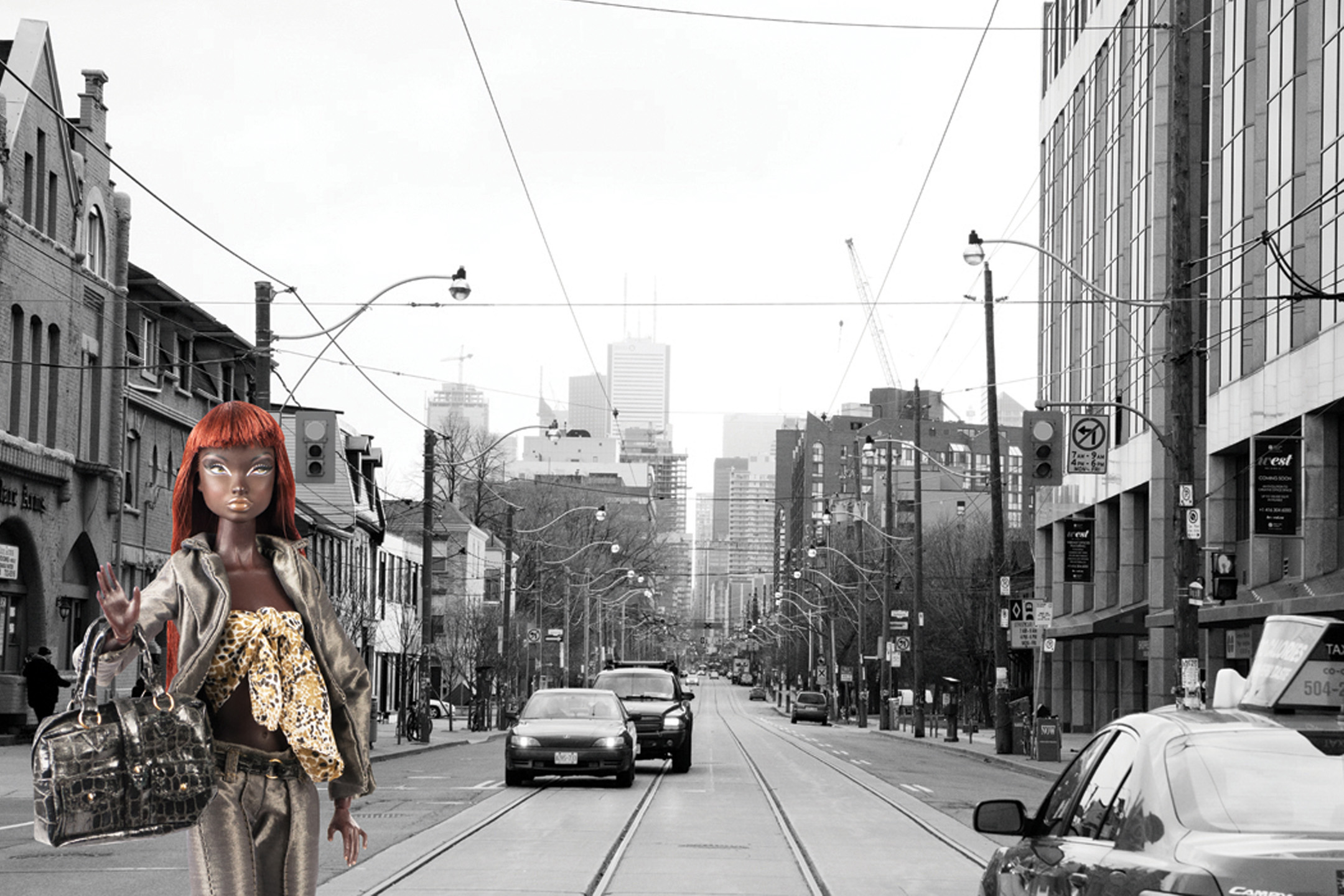
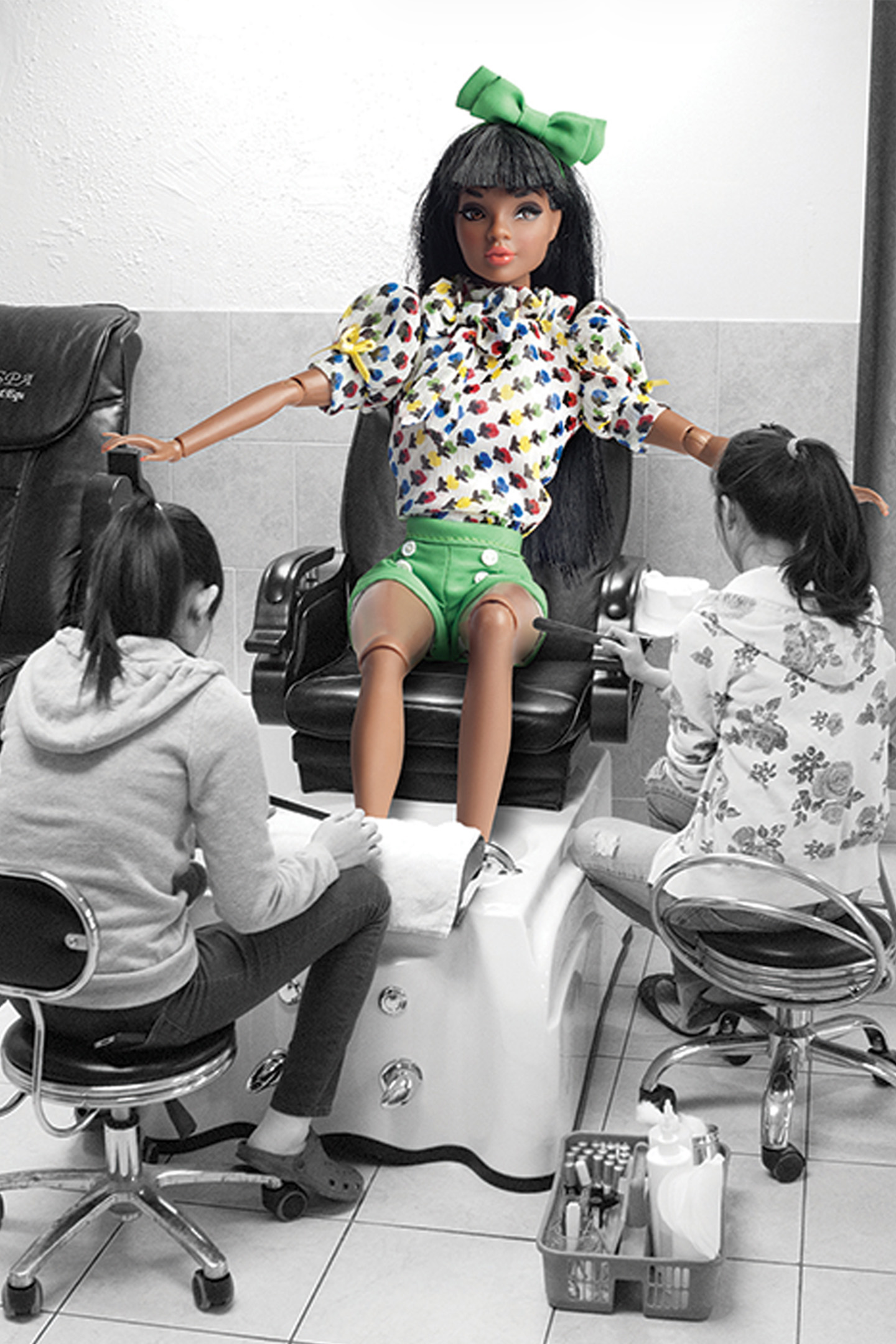
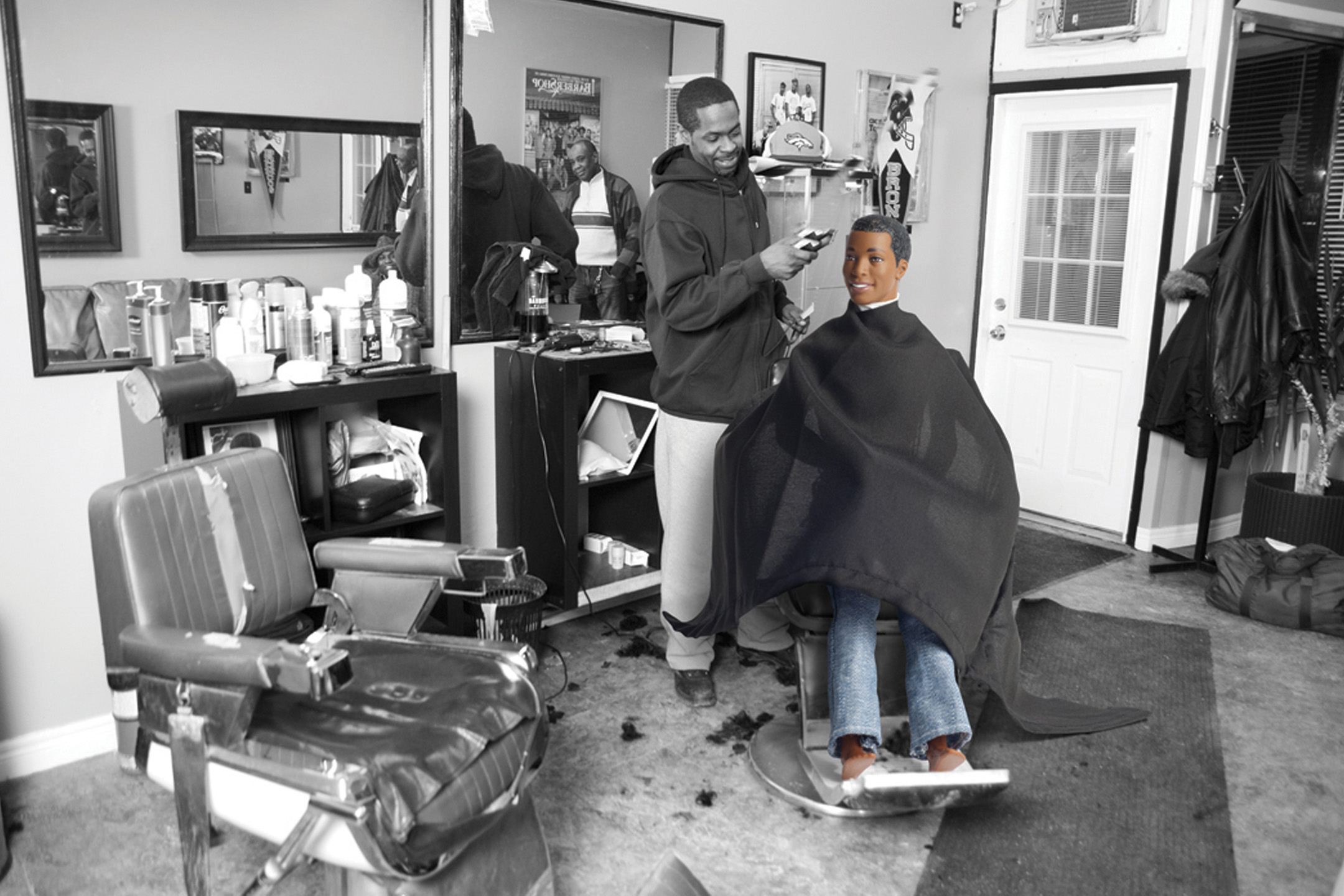
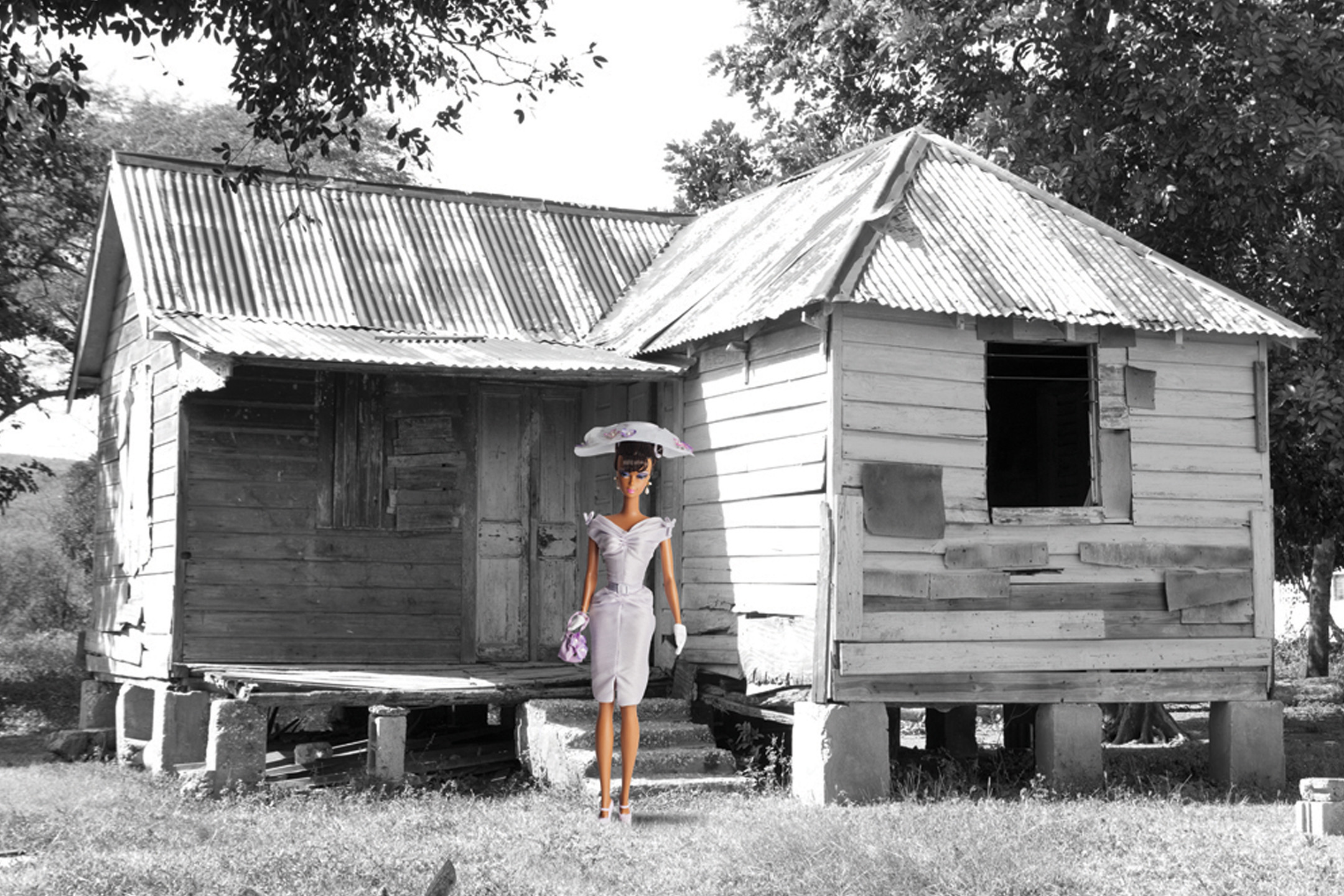
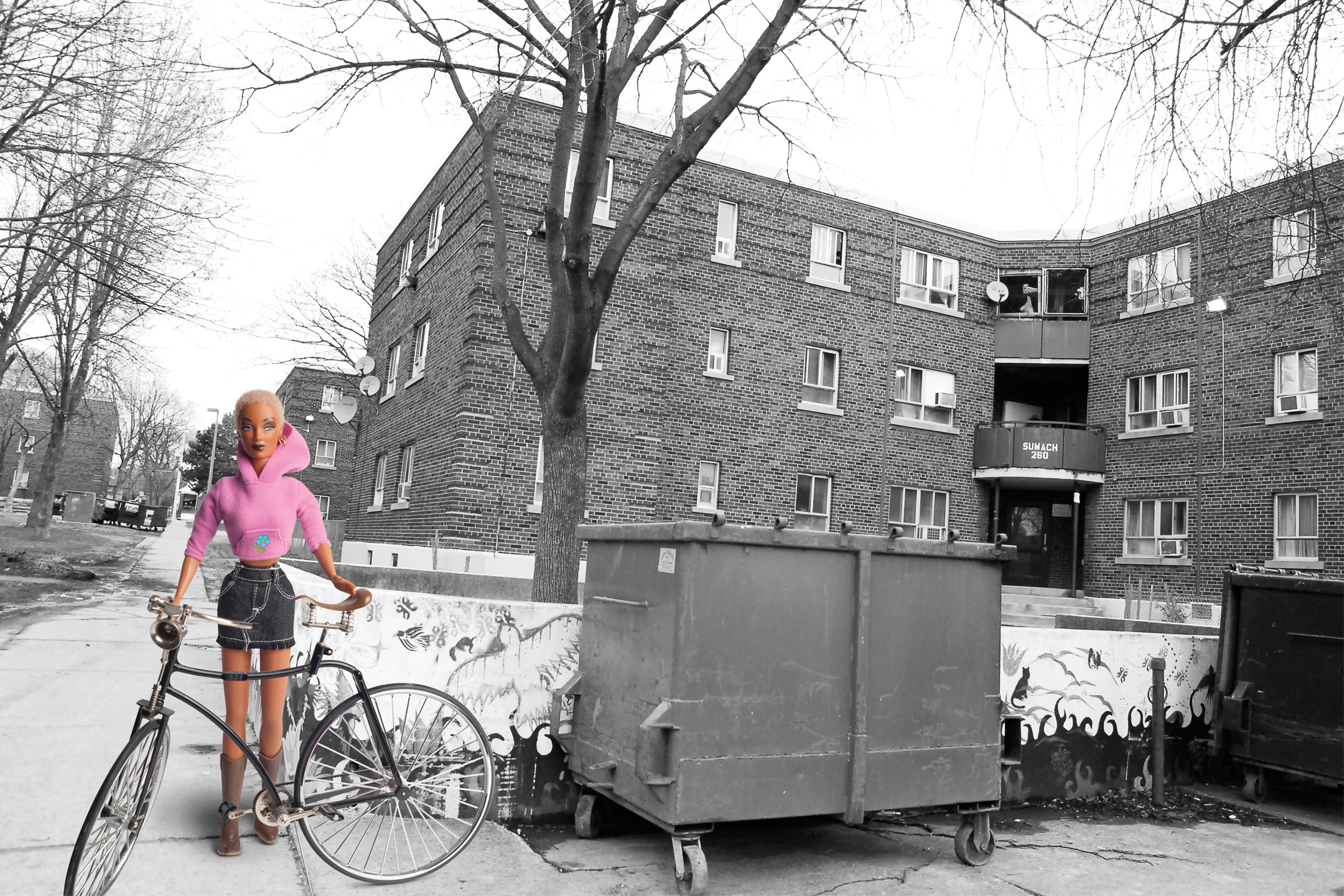
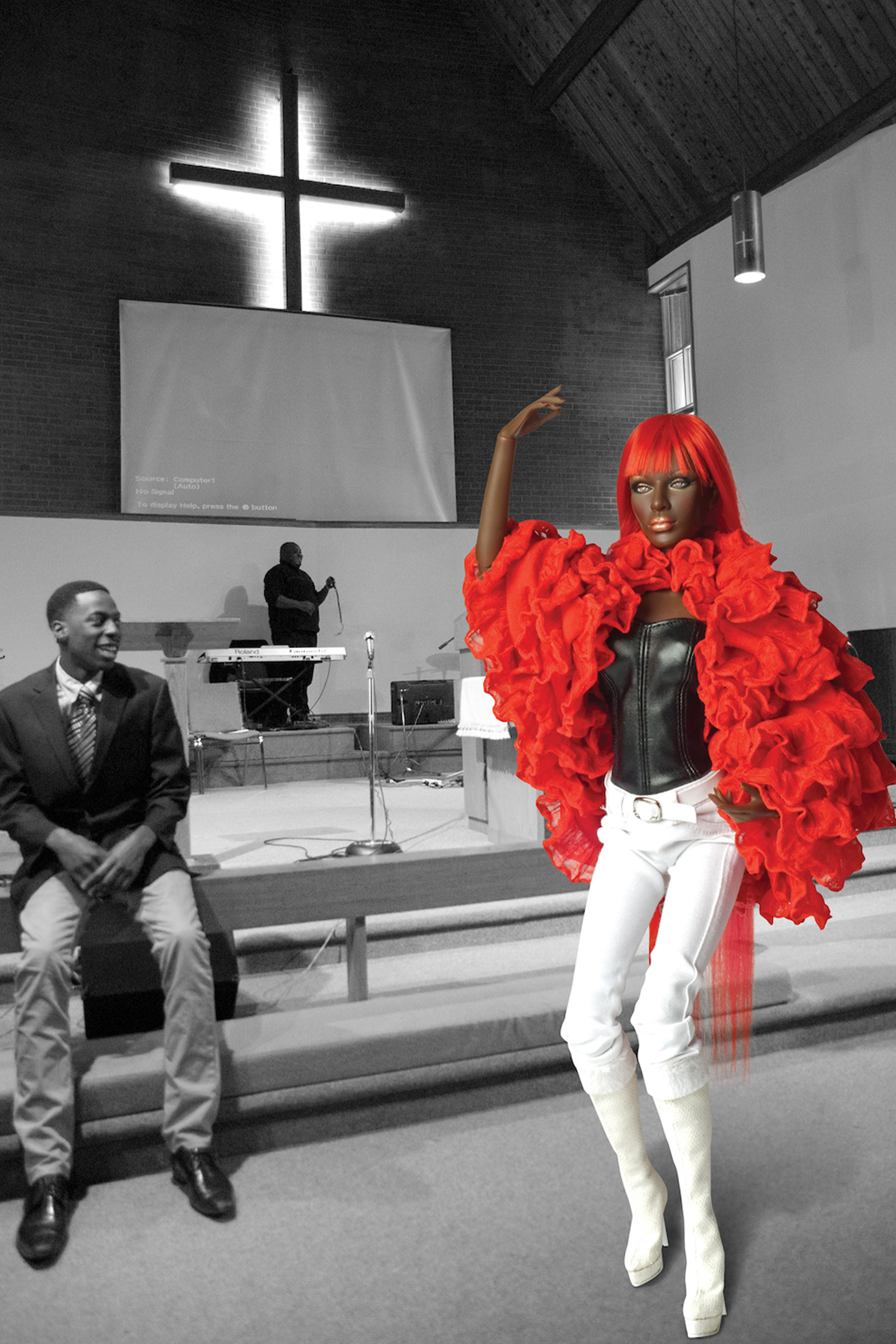
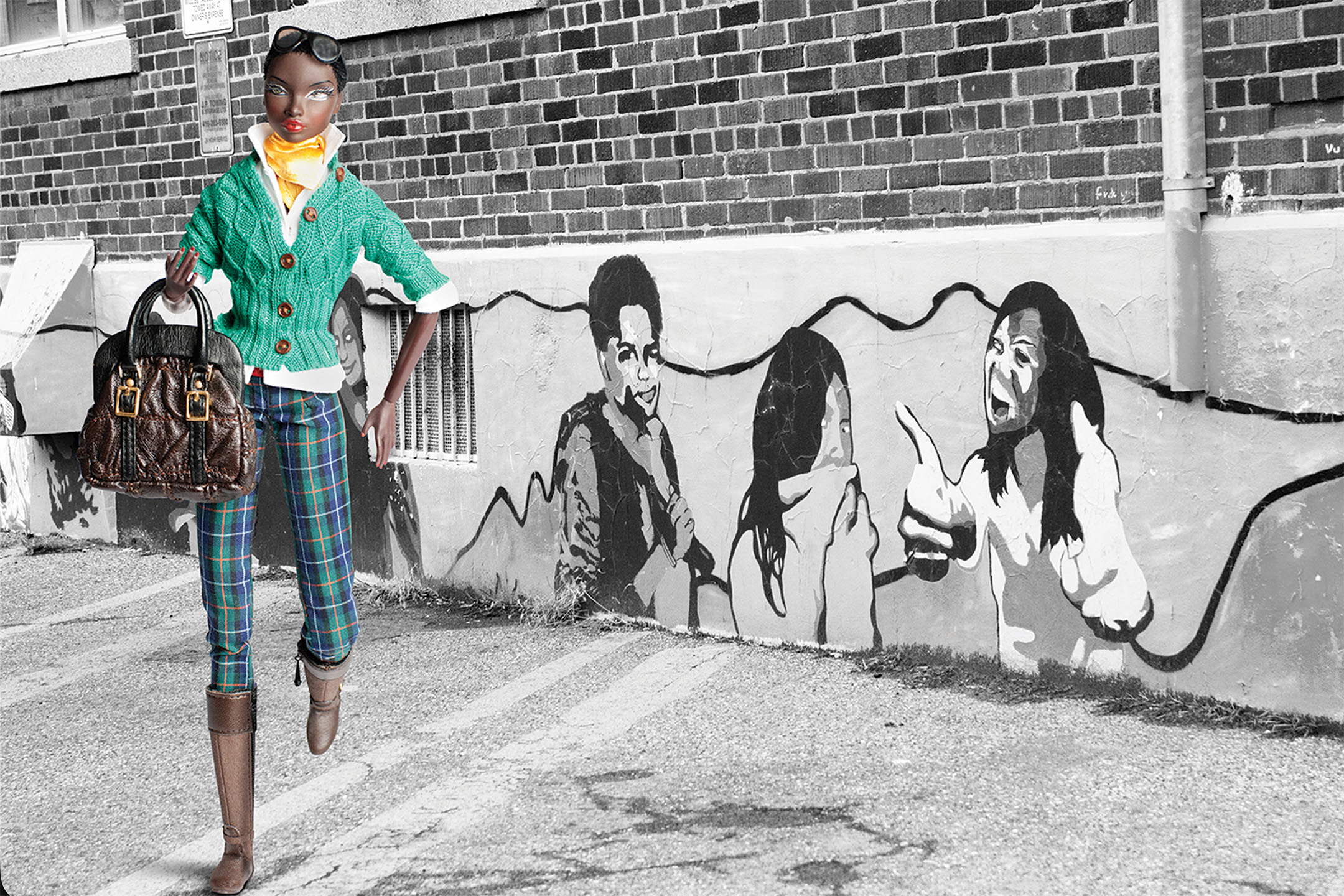
The Blk Ken & Barbie project began as an autoethnography reflecting my experiences growing up in rural Jamaica and my identity as a Canadian. It visually reconstructs everyday Black lives, placing dolls within my reality. The series layers images of Black dolls into everyday environments, juxtaposing them with full-colour high-fashion elegance.
From 2016–2020, I used a digital format while maintaining the foundations of historical photography. By layering images in Photoshop, I created striking visuals on BFK watercolour paper.
Initially, I treated the dolls as mere objects. However, reflecting on them as symbols of representation led me to explore W. E. B. Du Bois’ concept of double consciousness. I positioned the dolls as representations of Black men and women amidst black-and-white environments, exploring their vibrant identities. Eventually, I introduced the dolls interacting with human figures, and our exhibits captured the audience’s fascination with self-representation.
The photo essay I am presenting for Black History Month highlights the importance of representation while acknowledging our own struggles with double consciousness. The dolls transitioned into singular images, illustrating their presence in everyday Black life, contrasting with vibrant, polished settings. This juxtaposition reveals the ongoing negotiation between one’s true self and perceived identity, mirroring internal conflicts within cultural experiences.
Note: Not all dolls displayed are Mattel Barbie Dolls; the term “Barbie” serves as a label representing this iconic figure.

No comments to display.