
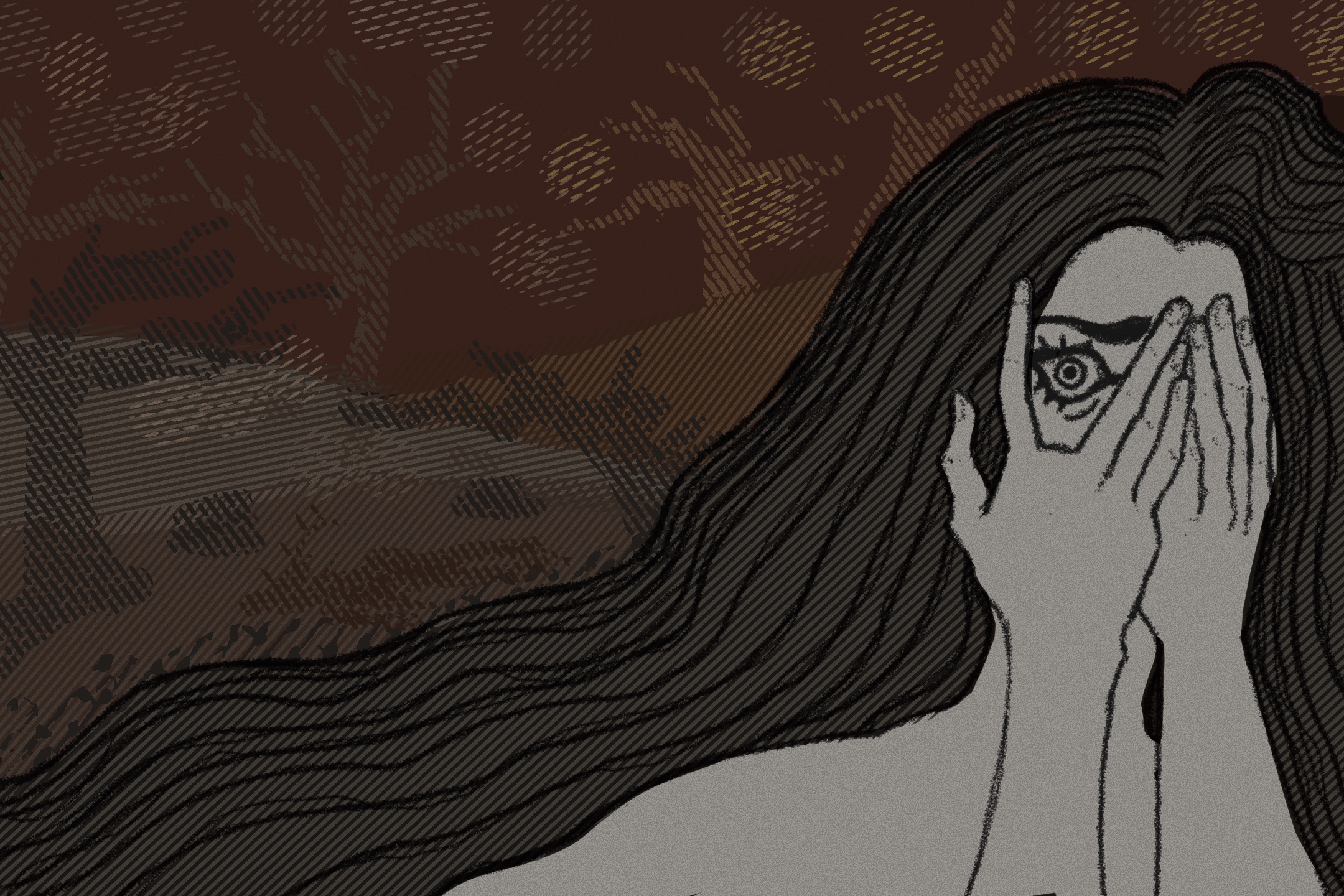
We are living through the devastating effects of a climate crisis. From continual record-breaking climate disasters each year to a possible mass extinction event, we are bombarded with the undeniable truth: we have surpassed our planetary boundaries and cannot continue with business as usual. The result is crippling distress and fear for the future in the threat of climate issues, colloquially referred to as eco-anxiety.
This concept has gained traction through social media exposure and climate experts in the last few years. It is recognized as a valid emotional response to the socio-ecological issues we face today by many mental health experts.
On September 22, 2025, Simon Appolloni, an assistant professor at U of T’s School of the Environment, released a short documentary titled From Eco-anxiety to Eco(h)ope. The film contains interviews from both faculty and students, focusing on how eco-anxiety is experienced within Canadian universities. Appolloni’s documentary speaks about the importance of creating spaces for environmental conversation and suggests that these conversations must evolve from academic and intellectual framings to more emotionally grounded ones. Watching the video prompted reflection on the reality of this discussion here at U of T.
How do students feel about eco-anxiety, and how can we continue to participate in hopeful climate action in the face of it?
Eco-anxiety is experienced by the collective
A 2023 study in the Journal of Climate Change and Health on the climate perceptions of 1,000 young Canadians (ages 16–25) found that approximately 60 per cent felt sad, afraid, and powerless. An even larger global study of eco-anxiety from The Lancet Planetary Health in 2021 found that 75 per cent of youth felt frightened for their future when it comes to climate issues.
In an interview with The Varsity, Thea Reyes, a U of T student pursuing a double major in environmental studies and urban studies and Co-President of the Environmental Student Union (ENSU), said her eco-anxiety is closely tied to her family in the Philippines. “When I hear about natural disasters affecting people, I always think about my home… a few of my relatives live in very environmentally vulnerable areas [and being] far away from them [makes it] hard for me to really tell if they’re okay.”
Reyes’ experience reflects a broader pattern among students, many of whom carry ties to places more vulnerable to climate disasters which are exacerbated by rising temperatures.
However, all hope is not lost. Given that we experience eco-anxiety collectively, we can also find solace in others. As some students indicate in Appolloni’s documentary, community conversations can be both comforting and empowering.
Reyes explains, saying, “When I’m with my fellow [ENSU] executives, [eco-anxiety is] something that we can talk about very openly… Other people in the department, as well, are very supportive when people are going through tough times with eco-anxiety.”
In an interview with The Varsity, Kristy Faccer, Secretariat Director for U of T’s President’s Advisory Committee on Environment, Climate Change and Sustainability, encouraged students to ask, “Where do you have allies and where is the opportunity for community, for coalition building? Where [are] other people… feeling or experiencing similar things to you and… where [can] you respond together?”
She also said that it is important to take a step back and seek help from mental health professionals when needed.
Our actions should define our outlook
Even as we participate in efforts towards climate action and damage mitigation, many environmental effects are now irreversible and may likely worsen over time. So, when we are constantly inundated with bad news — including the rollback of environmental protections — how do we as a student body collectively stay motivated to continue to act on our environmental values?
Even with years of experience within the environmental field, Faccer says that she is not immune to “the burden on sustainability professionals.” She advises students that while it is important to acknowledge the feeling of eco-anxiety, the feeling should further motivate questions related to “how to respond or when to respond, and not necessarily [whether] to respond [to the climate crisis].”
To prevent eco-anxiety from turning into inaction, we as students must try to uncouple our understanding of climate success from scale, and instead let our core values — and the joy of doing what feels right — guide our actions. Core values are the ways of being that matter most to each of us, the things that bring us joy, and make us feel most like ourselves. Staying true to those values gives us a sense of peace and purpose, even when the final outcome is uncertain.
Throughout school, many of us learn to work toward achieving a good grade, and we know the dejection that follows when effort does not bring the result we hoped for. Many of us bring that same conditioning to climate action: we join initiatives, student groups, marches, and protests, but when change feels absent — or worse, things seem to move backward — eco-anxiety can turn into paralysis or hopelessness that stops us from further action.
Rather than acting only when change feels likely, we can act because doing so reflects who we are and what truly matters to us. Adding in this facet will be key for building the mental fortitude and collective psychological resilience we need to keep working towards climate action, even when progress seems slow.

No comments to display.