
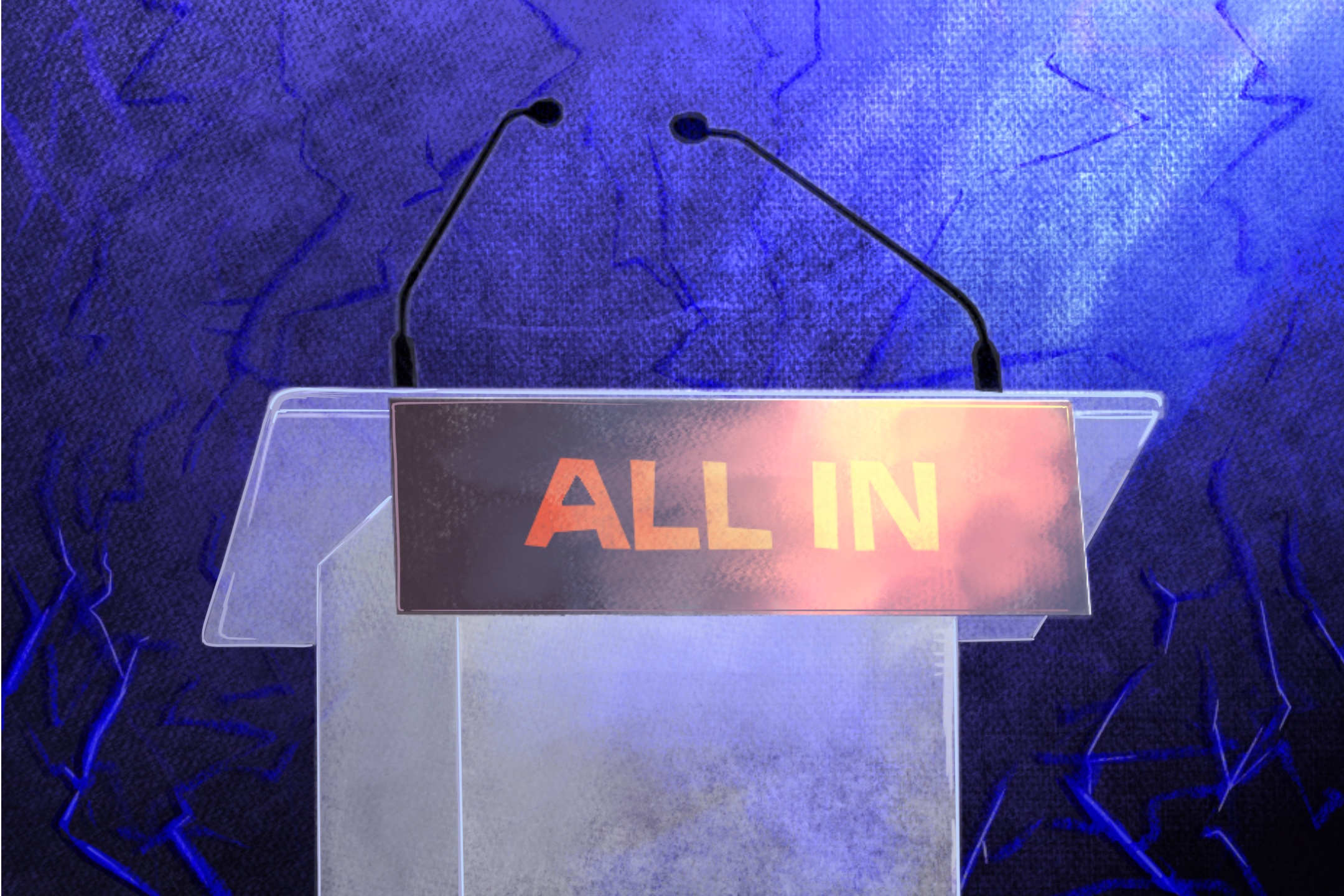
On June 4, Prime Minister Mark Carney announced Canada’s AI for All strategy at the Toronto General Hospital and the United Health Network (UHN). This national strategy is to be implemented over the next five years and aims to create 250,000 AI-relevant jobs and boost the GDP by three per cent.
About 90,000 of these AI-related jobs are targeted towards Canadian youth, and are expected to support small and medium-sized businesses, as well as non-profits. Interestingly, the strategy attributes this job creation to increased AI adoption, the very force that can reduce the demand for human labour and displace workers.
This presents a fundamental tension within the government’s plan that remains underexplored. No formal projections on job losses have been made, even with Minister of Artificial Intelligence and Digital Innovation Evan Solomon stating that AI “raises hard questions about job security” when introducing the strategy.
The government’s promise of AI-related employment opportunities arrives at a moment when many young Canadians are struggling to enter the workforce. The youth unemployment rate currently sits at around 14.3 per cent, while student unemployment is even higher, at 16 per cent.
Against a backdrop of corporate layoffs, advances in automation, and increasingly dire predictions about AI-driven workforce disruptions, job-related anxiety amongst students is heightened. Conversations about how to not only survive, but also succeed in an AI-transformed labour market are no longer constrained to echo chambers on social media — they have become common topics in lecture halls and student spaces.
The 2025 Canada Strong Budget similarly emphasized the importance of emerging technologies — such as AI, electric vehicles, and quantum computing — by allocating $12 billion of the $110 billion towards the budget’s “productivity and competitiveness” bucket.
However, critical questions have arisen regarding the government’s vague strategic goals — what exactly will these AI-related investments and jobs entail, and more importantly, how will the labour market and society at large be disrupted by AI?
The work expected to be done
While the strategy is structured around six strategic pillars, Pillars Two and Three — “Empowering Canadians” and “Powering AI Adoption for Shared Prosperity,” respectively — are likely to have the greatest impact on students, as they focus on AI literacy, workforce development, and the broader adoption of AI across the economy.
Specifically, the strategy proposes the creation of the National AI Literacy Initiative, an effort to educate one million post-secondary students in entry-level AI training, and provide all post-secondary students with “trusted AI agents.” AI agents are AI systems that can complete tasks and make decisions on their own without the need for step-by-step human instruction. The initiative will provide basic foundational training as well as more technical and applied skills for university and college students.
The initiative has yet to define the specifics of the employment that young Canadians can expect. Currently, the aforementioned AI literacy programs, work placements, and research fellowships are the extent of any tactical details provided by the government. The 90,000 jobs will be handled through intermediaries like the Student Work Placement Program, Canada Summer Jobs, Skills for Success program, Mitacs ADOPT, and other various channels.
This focus on improving job market conditions for people — from those who hold entry-level jobs to individuals who are mid-career — comes as no surprise. Earlier this year, Bank of Canada’s governor Tiff Macklem had expressed concerns about job destruction in relation to AI, stating, “We may be seeing some early evidence that AI is reducing the number of entry-level jobs in some occupations.”
Macklem’s statement is a far more constrained take compared to those from business and tech giants like Anthropic’s CEO Dario Amodei, who believes that AI could wipe out nearly half of white-collar jobs in half a decade.
Perspectives from students
According to the Organisation for Economic Co-operation and Development, data indicates that Canada is leading the G7 in AI talent concentration. This can be observed through events like Toronto Tech Week, which offers a glimpse of where young professionals working in tech currently stand on AI adoption and the future of work.
In an interview with The Varsity, Kimberly Nguyen, a fourth-year marketing specialist and economics major at UTM who recently attended Tech Week shared her insights into what companies are looking for in new grads.
“I think the startup industry is booming in hiring — for the right people. The people startups are looking for are on a different level from the average university student.” Nguyen also explained that AI is becoming essential, even in roles that are not traditionally tied to tech — AI literacy is increasingly treated as a basic expectation rather than an added skill.
Rajorshi Alam, a third-year economics and political science major at U of T and the Chief Marketing Officer of Toronto-based startup Hero.Ai, agreed with Nguyen’s statements in an interview with The Varsity. Alam also highlighted the disadvantage that comes from lacking AI literacy around newer AI applications, especially considering how fast the industry moves.
For example, Anthropic’s Claude and its agents like Claude Code and Cowork are new and advanced models. According to Alam, these models contribute to furthering the AI literacy gap, since “a lot of people don’t know how to really navigate [them].”
When asked about the national AI strategy, Alam said he prefers transparent, well-thought-out policies and hopes the initiative will be accessible and easy to engage with.
Navigating the future
It is clear that there is significant uncertainty on both the worker and employer sides of the job market amid the increasing adoption of AI. Without greater transparency in the government’s AI for All strategy, establishing a clear pathway for young professionals and students navigating this rapidly evolving market will remain a challenge.

No comments to display.