
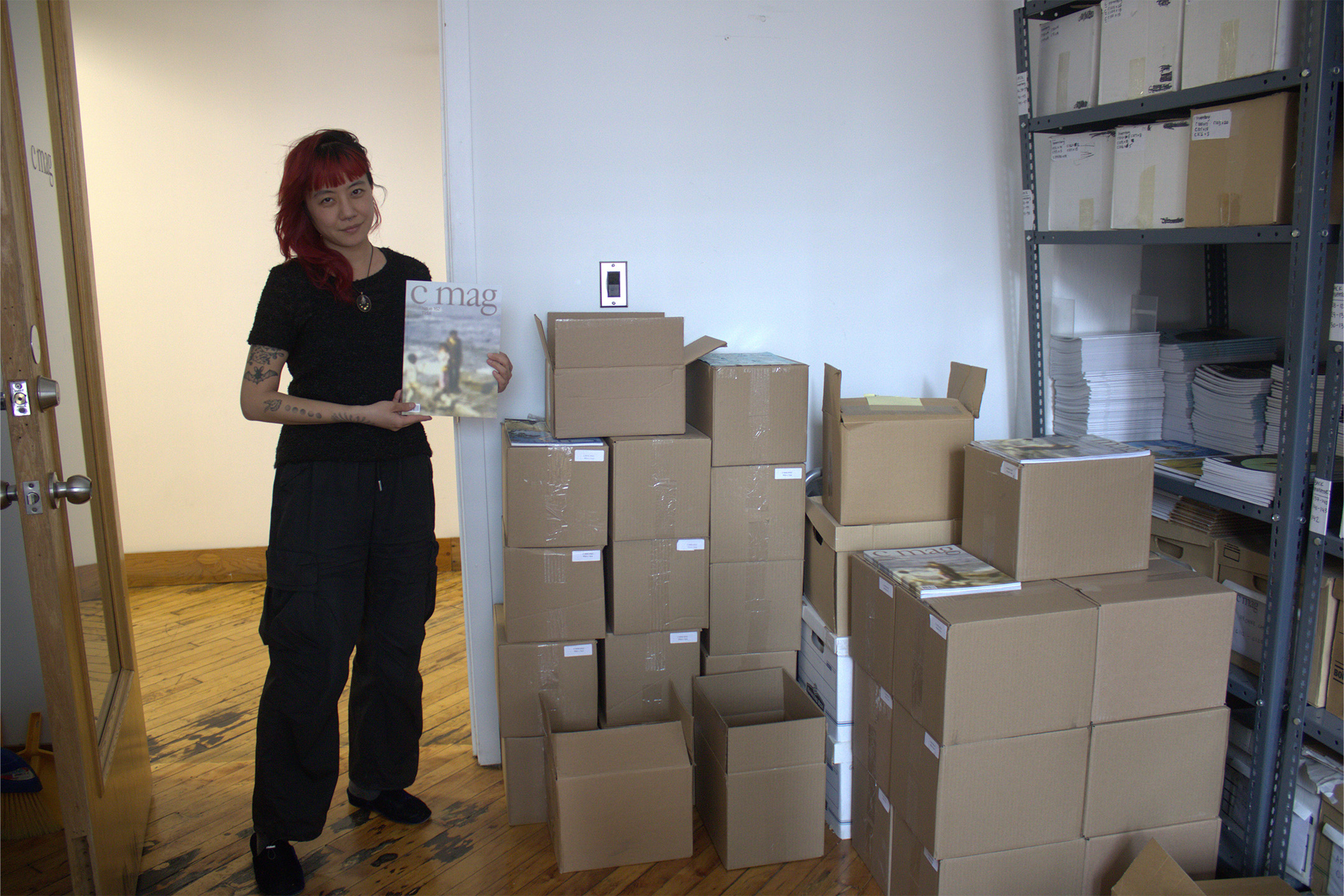
In the eastern corner of one of the upper floors of 401 Richmond lies the office of non-profit publication, C Magazine.
The tri-annual Canadian contemporary art and criticism magazine is one of the few remaining print publications in the country exclusively dedicated to arts writing. Aside from their Spring, Autumn, and Winter print volumes, they publish on their website throughout the year.
C Magazine contributes incredibly important work towards fostering the future of art criticism. They host workshops, lectures, and artistic talks throughout the year, and are a big part of the Toronto arts community. They also offer publishing and editorial internships for those who are just starting out in those industries.
Their Indigenous Art Writing Award, organized with the Indigenous Curatorial Collective, supports, compensates, and platforms Indigenous writers in the first decade of their career who are advancing critical and creative thought about Indigenous contemporary art. Their C New Critics Award helps develop and promote the work of emerging art critics through an extensive editorial program.
Financial troubles
On March 12, the magazine published a post on its Instagram that read, “Save C Magazine,” and “80k by April 15.”
In a letter attached in the next two slides, the magazine detailed how, due to a gap in grant cycles, the magazine needed to raise $80,000 to maintain its baseline staff, contributor, and production needs over the next few months.
A GoFundMe linked in their Instagram bio raised $28,400 as of Sunday, March 29. With only 17 days to go before their deadline as of writing, they face a steep fundraising goal.
A limited ecosystem
I met with Joy Xiang, editor of C Magazine, last week, to talk to her about the magazine’s future and why it finds itself in the position that it does today.
When asked about the dwindling number of remaining arts publications in the country, Xiang placed the blame on an outdated funding model and a rapidly changing print media industry.
According to Xiang, the funding model for a lot of magazines like C is reliant on the grants model created in the ’70s and ’80s. These grants no longer carry the same spending power they once did.
The changing nature of the print industry also requires media publications to adapt rapidly to survive in the market. This involves implementing changes that small non-profit magazines like C Magazine are unable to keep up with the large amount of work needed due to their lack of staff and consistent resources.
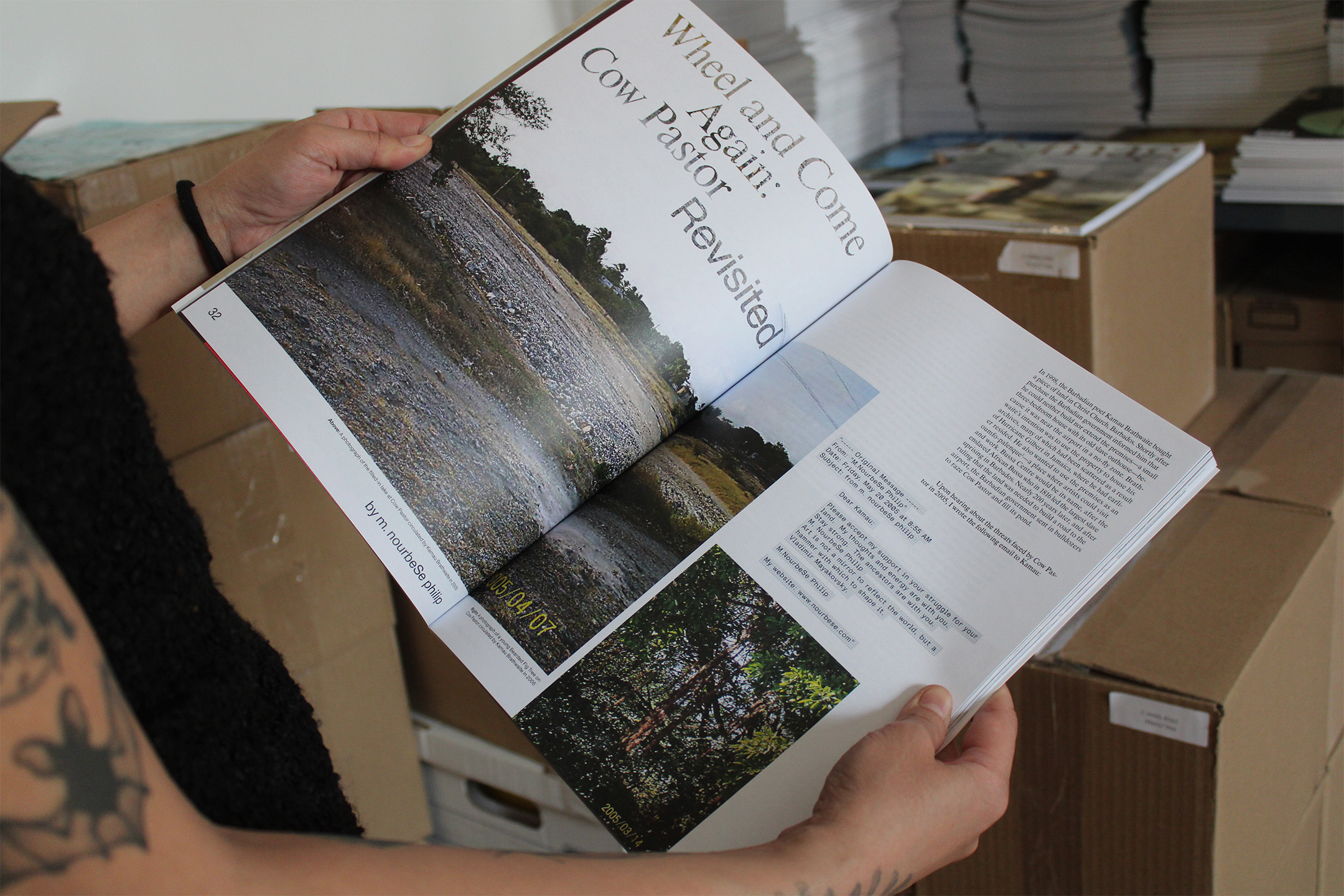
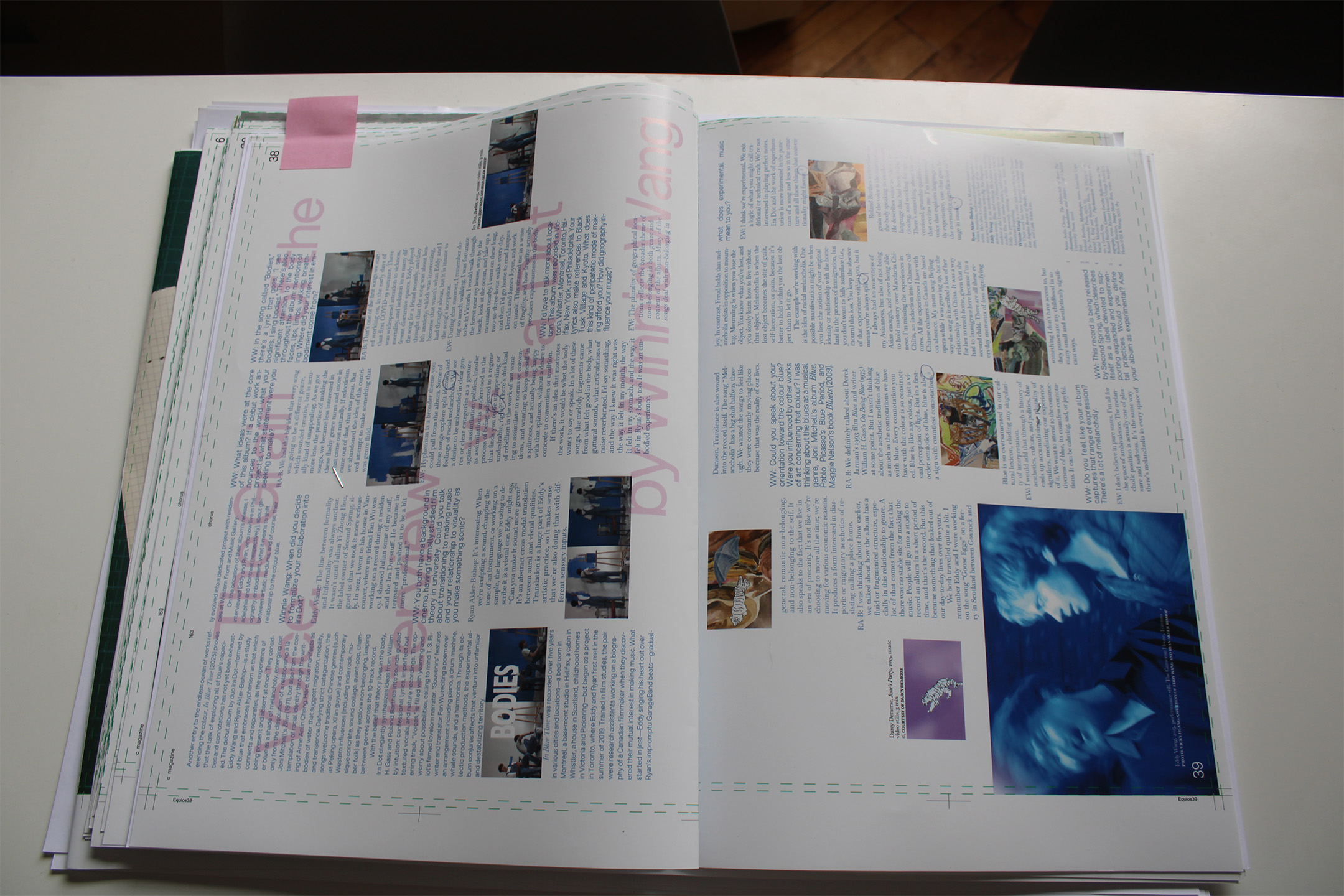
One of the changes that C Magazine is undertaking to address the rapidly changing industry is a massive visual redesign campaign. Meant to adapt the publication to the expectations of modern-day audiences, this undertaking was only possible due to funding they received from the 2024 Ontario Creates project grant. The redesign, led by design director Hwa-Jin Jun, will debut next month in their Spring 2026 Issue 163: Chorus. Prioritizing long-term sustainability, this redesign will reduce printing costs by 30 per cent.
Government funding restructured
Xiang told The Varsity in an interview that the magazine’s immediate cash-flow problem was a result of a delay in aid from organizations like Canadian Heritage. She said, “This year, the aid to publishers was delayed by a few months. Because we’re working on these constant tight cycles, the gap of a few months means we’ll run out of cash after fulfilling our responsibilities to contributors and everything getting out the spring issue.” This has disrupted the work of magazines like C Magazine that depend on multi-year funding schedules.
The funding uncertainty doesn’t look like it will improve for the publishing sector in the foreseeable future. According to a recent Global News article on the Carney government’s spending plans, the Department of Canadian Heritage plans on reducing annual funding by $76 million by 2028–2029. These cuts will also reduce the Canadian Periodical Fund and Local Journalism program, which magazines like C rely on.
This decision by the Carney government came two months after the prime minister posed celebratorily with Canadian actor Hudson Williams on January 29. Williams rose to stardom in the past few months in large part due to the smashing success of Crave production, Heated Rivalry, which received funding from the Canadian government.
Taking pride in the Canadian show’s international success, Carney told reporters, “I’m a politician, I’m not above taking credit for the Canadian funding that helped you share this story with the world.”
With this recent funding decision, it looks like the prime minister is willing to take credit for the success of Canadian art funded by previous governments but is not willing to invest further in the Canadian arts ecosystem himself.
How to support C Magazine
Current staff and stewards of C Magazine are determined to take whatever steps are needed to make it through the funding gap they face. The most immediate way to support the magazine’s future is to donate to its GoFundMe and help it meet its funding schedule. You can also purchase a subscription to the magazine’s print or digital issues. Their print subscription starts at $20 a year, their digital subscription starts at $2 a month, and their combined print and digital subscription starts at $26 a year. Future volumes after the launch of Volume 163 in April may be delayed if they do not meet their fundraising goals.
C Magazine is an essential part of the Canadian literary landscape, and the survival of publications like theirs is vital to securing the future of Canadian arts.
Redaction: On March 31, 2026, this article was updated to remove a section on the C Writer in Residence program. The program is not currently running.

No comments to display.