
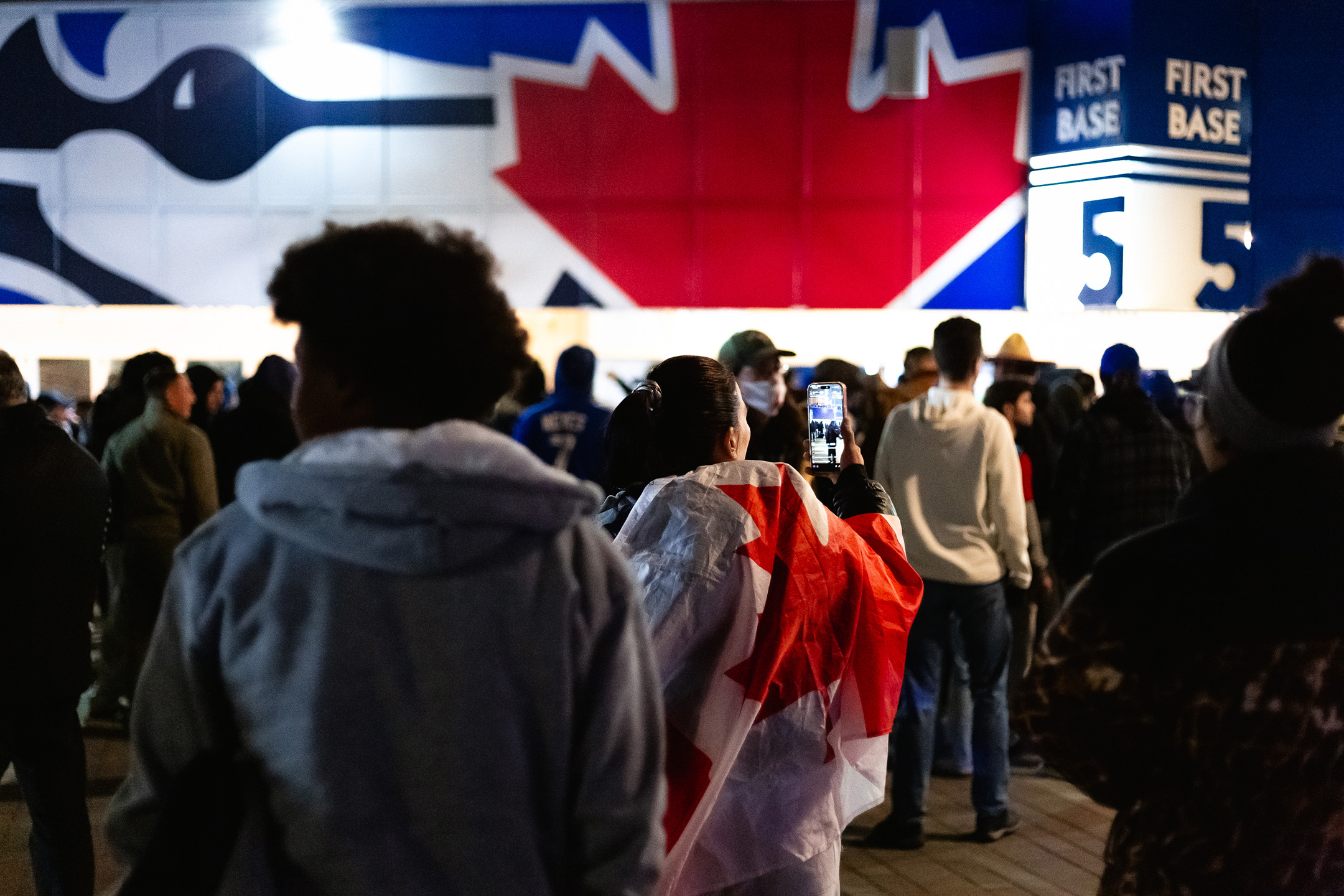
For the first time in 32 years, Toronto made its way back onto baseball’s biggest stage.
An electric buzz ran through the city as the Blue Jays took a shot at winning the World Series. Bars were packed, hotels were fully booked, and fans flooded downtown from all over Ontario.
For weeks, the city was united, not just by baseball, but by the excitement of watching a Canadian team make history again. This brought in a surge of spending helping many local businesses in Toronto. Despite the home team’s tragic loss in the final game, October served as a successful month for many businesses in Toronto.
The short-term boost
According to CBC News, the Blue Jays’ success resulted in boosts to the economy, especially for businesses around the Rogers Centre.
Destination Toronto’s Vice President of Destination Development Kelly Jackson, told CBC that visiting fans, MLB personnel, and energized residents contributed to brisk business in the city. For servers and bar staff, that translated into packed venues, lineups stretching onto sidewalks, and long nights that felt worth the fatigue.
Economists refer to this as the multiplier effect — when money spent by fans circulates through the local economy, benefiting suppliers, taxi drivers, retailers, and other workers. Even tiny percentage increases in spending can translate into millions of dollars across an urban economy.
The demand for hotels increased by 22 per cent during this period compared to the same time last year, and restaurants near the ballpark processed up to 15 per cent more transactions with the Jays’ advancement.
The increased business provided a temporary reprieve for the city’s hospitality sector — Toronto has struggled to recover from the pandemic’s effects on foot traffic downtown, as remote and hybrid work left many core businesses with far fewer daily visitors than before 2020. Many service workers and business owners were also graced with full shifts, longer hours, and much-needed cash flow thanks to the Jays’ World Series run.
Limitations to the hype
Moshe Lander, a sports economist at Concordia University, cautioned in a Global News article that the impact of major sporting events is often overstated. While the Jays drew large crowds, most of the money was likely spent by local fans. Consequently, there was little new money being injected into the economy, but funds already being spent are being redirected towards these sporting events.
The current affordability crisis could also cause consumers to be reluctant to spend money on the Blue Jays. However, the fact that the Blue Jays are making the World Series is a once-in-a-lifetime event that could convince households to splurge.
However, this boost in spending could have a negative impact — some people may avoid spending money on other items like Christmas presents in the future because they already spent money on Blue Jays merchandise.
A contrast to basketball
Toronto is no stranger to modern sports-driven economic booms.
The Raptors’ 2019 NBA Finals run also caused an economic surge in the city. Analysts noted that the Raptors’ championship run led to a city-wide increase in spending and tourism, with bar sales up by 72 per cent in the GTA during game two of the finals and hotel demand climbing sharply throughout the playoff series.
The Raptors’ parade alone drew around two million people downtown, which was truly a once-in-a-generation event that created the perfect blend between celebration and tourism.
Similarly to the Blue Jays, though, all these economic benefits were only observed in the short run — GDP increases in related industries were minimal.
The lasting impact
Despite the Jays’ defeat, the World Series provided Toronto’s economy with the gift of momentum.
Toronto’s experience highlights the importance of cultural moments for urban economies. Even if they do not singlehandedly transform GDP, major sporting events can help rejuvenate downtown cores, boost small businesses, and put the city on display on the global stage.
We didn’t win the championship, but it gave us the boost we direly needed post-pandemic. As Toronto prepares for another off-season, the question isn’t how much the City profited from the month of October, but whether that momentum can continue until the end of the year.

No comments to display.