
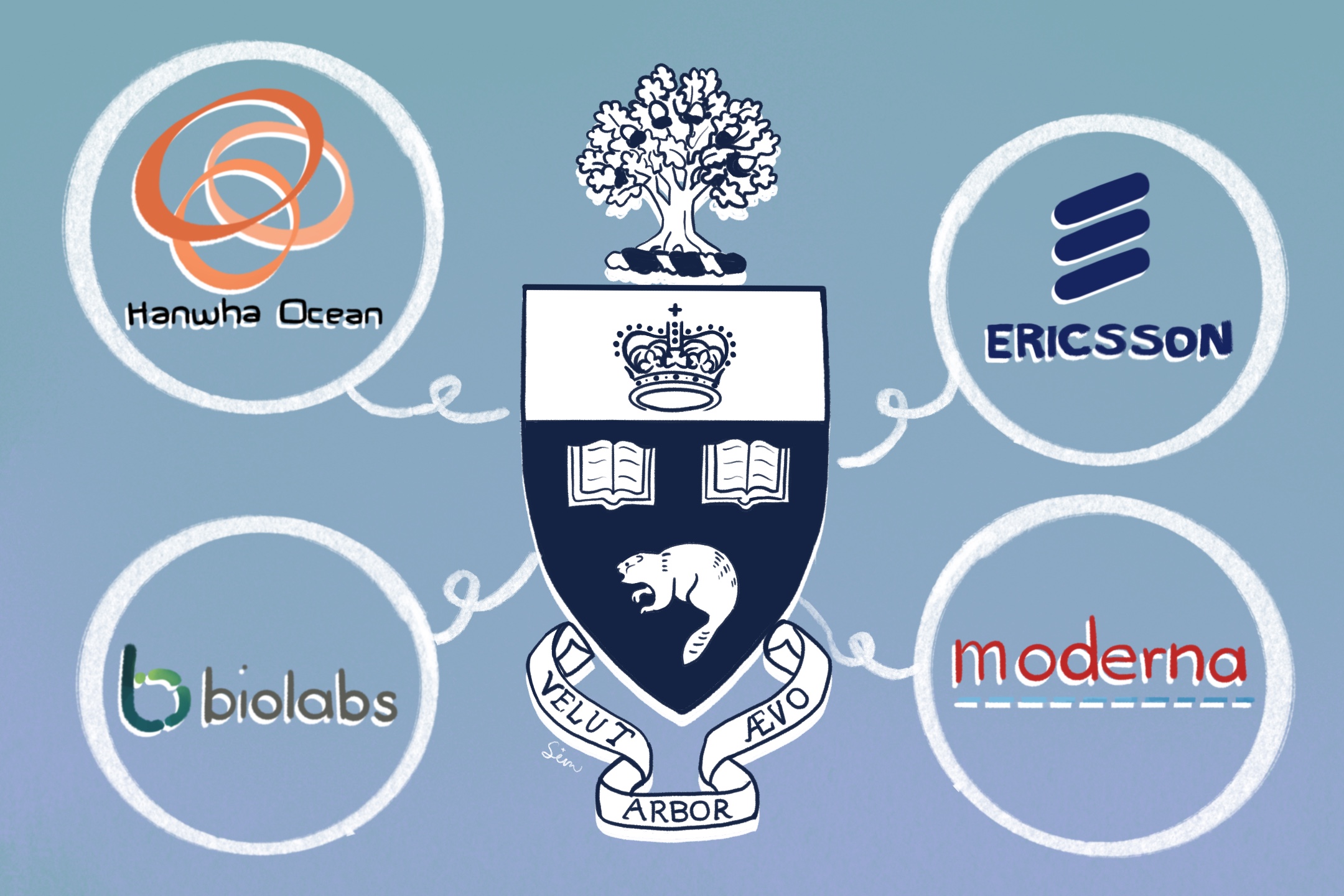
On March 10, 2026, U of T announced a partnership with South Korean shipbuilder Hanwha Ocean. The agreement focuses on smart maritime systems, vessel staffing, and Arctic-capable technologies, linking university research to areas tied to maritime innovation. In its announcement, U of T said the Hanwha Ocean agreement will support “homegrown innovation, hands-on research, and job training.”
The partnership reflects a broader approach employed by universities to foster industry collaborations that connect research, training, and career development. Alongside expanding research capacity, these agreements can create more accessible funding opportunities, applied learning experiences, and professional connections for students. According to U of T’s industry partnerships guide, these collaborations can help the university access materials, data, and facilities, expand the scope of research, and prepare students for future careers.
This preparation matters because many of the skills students develop at university — research, analysis, problem-solving, and collaboration — take on greater value in professional settings.
Why universities build these partnerships
For universities, the benefits of industry collaborations extend beyond a single agreement. U of T wrote that it has worked with more than 600 industry partners over the past decade, presenting these relationships as a way to translate its research excellence into ideas and innovations that can enter commercial markets both domestically and internationally.
These partnerships help universities expand their networks and strengthen their standing in strategically important sectors. Researchers benefit by building collaborative ties beyond academia, while successful projects can build trust with external partners, foster long-term relationships, and open the door to future collaborations.
Some offices and organizations within the university help facilitate the creation of these partnerships. For instance, the university’s Blue Door serves as a single point of entry for organizations that want to work with the university by helping identify relevant expertise, research opportunities, and talent. Additionally, U of T’s Innovations & Partnerships Office supports the process more directly by facilitating introductions and funding opportunities, negotiating and executing research agreements, and helping researchers protect and manage their intellectual property.
In an interview with The Varsity, Keyue Chen, a business development advisor at the industry-academic connector organization Mitacs, revealed more about what this process looks like. She said her work involves speaking with companies about their research challenges and the expertise they are seeking, while also speaking with professors about new projects and students about internship interests.
Industry partnerships matter to companies. For many firms, working with universities can provide access to specialized research expertise, emerging talent, and facilities or knowledge networks that may not exist in-house. A 2020 VentureWell article argued that industry-academia collaborations help companies connect with “fresh ideas and creative thinkers” while giving them earlier visibility into research and innovation that may shape future markets.
A broader model of collaboration
The Hanwha Ocean partnership fits into that broader pattern. Its immediate focus is maritime technology, and its structure reflects a familiar model of collaboration built around research, training, and external application.
That is why these corporate partnerships matter beyond the deal itself. For universities, they can strengthen research capacity and expand external networks. For students, they can open access to funding, placements, practical experience, and professional relationships. For the industry, these collaborations can provide access to academic expertise, emerging talent, and research environments that support innovation over time.

No comments to display.